



 For all latest news, follow the Daily Sun's Google News channel.


Commentary
How many more child deaths will it take for us to wake up?
Special Correspondent, Dhaka
Published: 03 Jun 2026, 12:00 AM
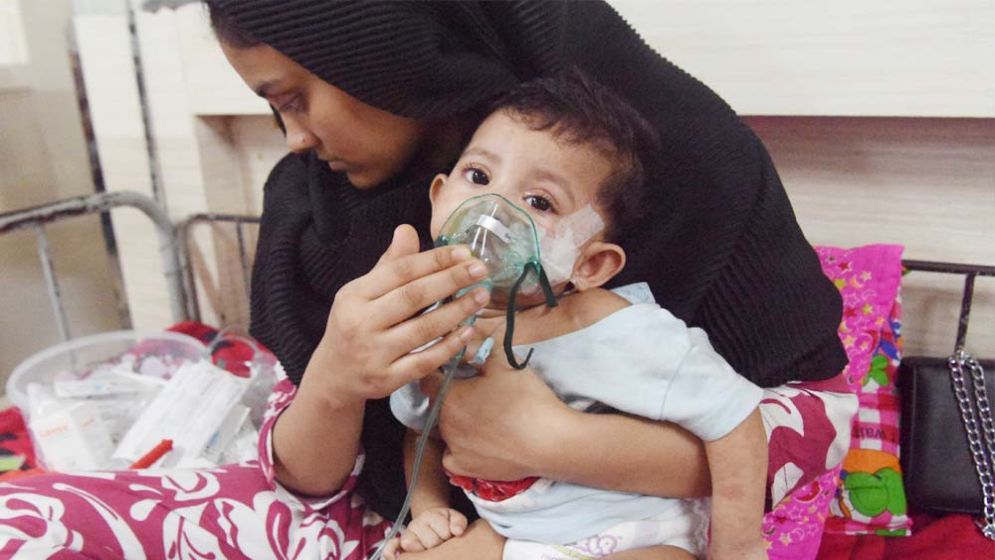
File Photo
This Eid-ul-Azha brought only grief and mourning for those with a conscience. On the eve of Eid, the tragic and untimely deaths of six newborns at Ad-din Hospital in Moghbazar, Dhaka, left the entire nation stunned. Over the past few days, Bangladesh has seemingly become a valley of death for children.
Children are safe nowhere. They are being abducted from the streets. Incidents of child abuse are on the rise, and even educational institutions have become unsafe, turning into places of torment. Falling prey to the lust of monstrous individuals masquerading as teachers – father figures who should be protectors – many children are meeting tragic ends. Hospitals, too, have become death traps for children.
The death toll from measles has surpassed 600. Most recently, the deaths of six newborns due to the gross negligence of authorities at Ad-din Hospital have laid bare just how vulnerable and powerless children are in this country.
Earlier, a case was filed in connection with the deaths of the six newborns, alleging culpable negligence. Habibur Rahman, the father of one of the deceased infants, lodged the case with Ramna police station. The hospital authorities have been named as the accused without identifying any individual. Perhaps a case will proceed. There will be public uproar for a few days, and then everything will return to normal. The dust will settle on our grief. We will forget everything, as we so often forget injustice and irregularity. But how will the parents who lost their children cope with this grief? They must carry this agonising pain for the rest of their lives.
Is the mourning over the deaths of these newborns any greater than the silent procession of children dying from measles? So far, the number of child deaths from measles has exceeded 600. At least an inquiry committee has been formed to investigate the cause of the newborn deaths at Ad-din Hospital, and the Health Minister has promised legal action against those responsible. Whether anything substantial comes of it or not, the bereaved parents have at least received a measure of consolation. But what solace will the parents of the hundreds of children who have died from measles find?
A child’s life represents a family’s dream, a mother’s tears and a father’s helpless sigh. The death of a child is not merely a loss to one family; it is a tragic epitaph for a nation losing its future.
A silent march of child deaths has gripped the country, growing longer with each passing day. Yet this horrific situation has failed to provoke any major response from society, the state or the administration. Although more than two months have passed since the outbreak began, there has been no comprehensive effort to tackle the crisis. The government appears content with its vaccination drive, while ordinary citizens remain consumed by their daily lives. Where a child dies and which mother is left devastated by grief no longer seems to stir our collective conscience.
Most alarming is the fact that we are gradually accepting child deaths from measles as normal. Yet every child’s death should serve as a stark warning to both our state and society. A civilised nation can never compromise on the lives of its children.
The question remains: why have effective emergency measures not been taken even after so many child deaths? Why has a national emergency taskforce of experts not been formed? Why have dedicated units for treating measles-infected children not been established at medical college hospitals at divisional and district levels? Why could emergency surveillance, rapid referral systems, and adequate supplies of essential medicines and oxygen not be ensured nationwide? Why has there been no effective coordination among local administrations, health authorities and public representatives?
Above all, we know who is being held responsible for these measles-related deaths. UNICEF stated at a press conference that the trail of deaths from measles was the result of the neglect and negligence of the previous interim government headed by Prof Muhammad Yunus. Health experts across the country have argued that the outbreak stemmed from the suspension of the vaccination programme during the interim government’s tenure. The then chief adviser Prof Yunus and health adviser Nurjahan Begum have been identified by critics as ultimately responsible for these deaths. Yet, despite these allegations, no action has been taken against either of them. Not a single inquiry committee has been formed to investigate the deaths of hundreds of children.
On 19 May, Ramisa, a second-grade student at Popular Model High School, was raped and murdered. The nation was horrified by the incident. The prime minister visited her family to offer condolences. Owing to government initiatives and public pressure, Ramisa’s trial has begun. However, many similar incidents in the past went unpunished, which is precisely why such atrocities continue to recur.
Today, we must ask ourselves: are we truly living in a humane society? Or have we sunk into such cruel apathy that even the deaths of children no longer move us?
The question remains: how many more child deaths will it take to awaken our conscience? How much longer must this procession of death grow before we finally wake up? Recommended Stories