
The Nipah fatality rate has reached 100% in the country so far this year, with consumption of raw date plum sap identified as the cause of infection with the deadly virus.
“In January and February of this year, two Nipah-infected patients were identified, both of whom died. The cases were laboratory confirmed,” Prof Dr Tahmina Shirin, director of the Institute of Epidemiology, Disease Control, and Research (IEDCR), told the Daily Sun.
Some more suspected cases were tested but those were diagnosed negative with the virus infection, she added.
The first Nipah patient, a 38-year-old male from Manikganj district, died in a hospital in the capital on January 28. Another case involved a three-year-old female from Shariatpur district who died on 31 January.
Both cases had a history of consuming raw date palm sap.
Sources from the Infectious Diseases Hospital in Mohakhali of the capital said two more patients died of Nipah virus infection in the country this year but the cases were not laboratory-confirmed.
The country reported its first Nipah infection case in 2001 the infection history identified two causes – one is consumption of raw date plum sap and another is coming into contact with the infected patient.
“Eating fruits half eaten by bats may also cause the virus infection,” said Dr Sharmin Sultana, senior scientific officer of the IEDCR.
Public health expert Dr Mushtaq Hossain said there is no alternative to stop consumption of raw date plum sap to prevent the disease as people can consume the sap after properly boiling.
The government already formulated the National Guideline for Management, Prevention and Control of Nipah virus infection including Encephalitis in 2011 and later updated it in 2016.
The IEDCR is also carrying out surveillance of the Nipah virus infection in 10 medical colleges across the country to keep the outbreak under control.
Though different measures have been implemented by the health authority to make people aware of the Nipah virus, the consumption and selling of raw date plum sap is going on in the country.
According to the IEDCR data, 341 Nipah infection cases and 242 deaths were reported in the country from January 2001 to February 2024. Tahmina Shirin of the IEDCR said the Nipah infection has spread to more districts as the online selling of raw date plum sap has increased recently.
According to the World Health Organisation (WHO) report, the case-fatality rates in outbreaks across Bangladesh, India, Malaysia, and Singapore typically range from 40% to 100%, depending on local capabilities for early detection and clinical management.
“Although antivirals are in development, there are no licensed vaccines or therapeutics available for the prevention or treatment of NiV infection. Intensive supportive care is recommended to treat severe respiratory and neurologic complications,” it said.
The WHO recommends efforts to prevent transmission should first focus on decreasing bat access to date palm sap and other fresh food products.
“Freshly collected date palm juice should be boiled, and fruits should be thoroughly washed and peeled before consumption. Fruits with signs of bat bites should be discarded. Areas where bats are known to roost should be avoided.”
It said Nipah infection is a bat-borne zoonotic disease transmitted to humans through infected animals (such as bats or pigs) or food contaminated with saliva, urine and dung of infected animals.
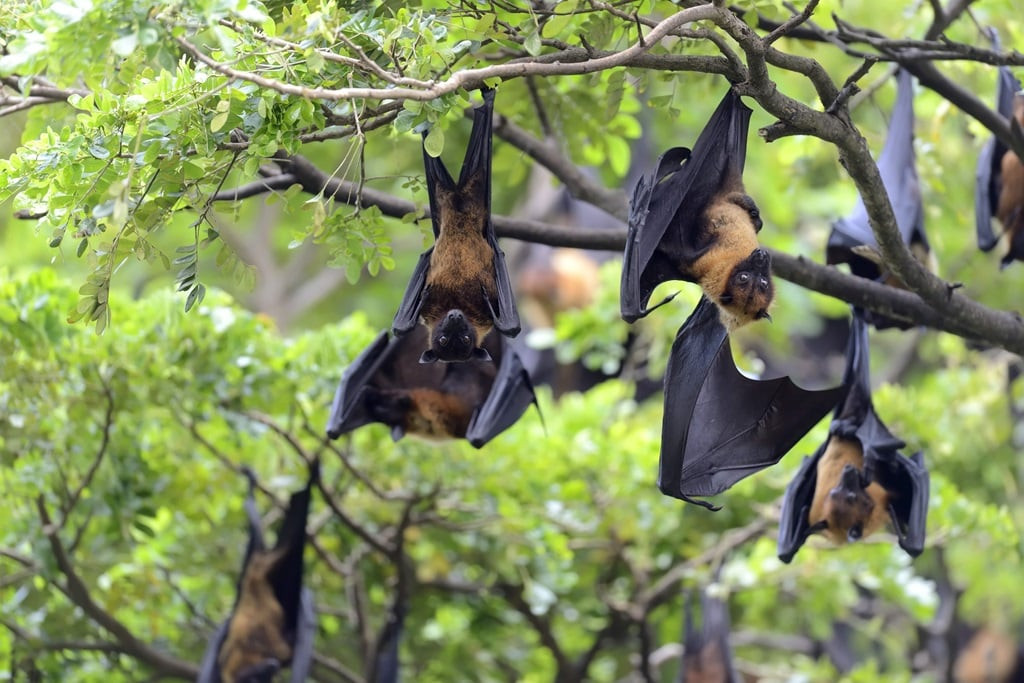
“It can be transmitted directly from person to person through close contact with an infected person. Fruit bats or flying foxes (Pteropus species) are the natural hosts for Nipah virus.”
 For all latest news, follow the Daily Sun's Google News channel.