


 For all latest news, follow the Daily Sun's Google News channel.


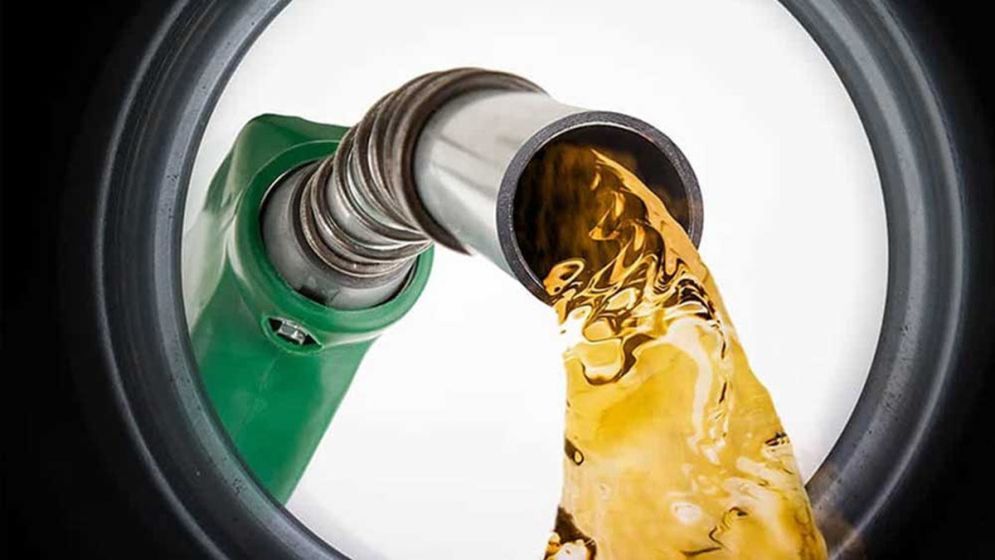
The recent fuel price hike is set to increase production, logistics and transportation costs, putting further pressure on businesses and potentially intensifying inflation, according to industry leaders and economists.
They said higher fuel costs could squeeze business profitability, weaken export competitiveness and force some factories to scale back operations amid existing gas and electricity shortages.
The government on Sunday night increased the retail prices of diesel, octane, petrol and kerosene by Tk20 per litre. The revised rates took effect on 21 September.
Under the new rates, diesel costs Tk135 per litre, up from Tk115, marking a 17.4 per cent increase. Octane has risen to Tk165 from Tk145, up 13.8 per cent, while petrol now costs Tk160, up 14.3 per cent. Kerosene has increased to Tk155 from Tk135, a 14.8 per cent rise.
Bangladesh Chamber of Industries (BCI) President Anwar-Ul-Alam Chowdhury (Parvez) said the fuel price hike would raise industrial and transport costs and put businesses under further pressure.
He said the country was already experiencing high inflation, while industries were facing inadequate gas and electricity supplies and very low private-sector credit growth.
“Amid the crisis, increasing fuel prices by 14-15 per cent without consulting anyone will create additional pressure across all sectors. Such a decision will increase industrial production costs, transportation costs and inflation. The prices of goods will become uncontrollable. People will lose their jobs, while many businesses will have to scale back their operations,” said Parvez, a former Bangladesh Garment Manufacturers and Exporters Association (BGMEA) president.
He also warned that non-performing loans in banks could rise further.
Impact to hit garment sector too
Bangladesh Apparel Voice Founder and CEO Mohiuddin Rubel said the fuel price hike would have an impact on all industries, including the garment sector.
“To mitigate the impact, the government should properly monitor the market so that no group can take undue advantage of the Tk20 price hike. Besides, we should focus on sectors where we can reduce costs and increase our internal capacity,” said Rubel, also a former BGMEA director.
He said international buyers were unlikely to increase prices because of Bangladesh’s higher production costs, making productivity improvements, shorter lead times and greater value addition important for maintaining profitability.
Distinguished Fellow at the Centre for Policy Dialogue (CPD) Dr Fahmida Khatun said the fuel price hike would have wide-ranging consequences.
“Individuals will face higher transportation expenses. Even households that do not purchase fuel directly will be affected, as higher transportation costs raise the prices of food and other essential goods,” she said.
She said poor and lower-middle-income families would be particularly affected because most of their income was spent on daily necessities.
Dr Fahmida also said the agriculture sector would face higher irrigation, mechanisation and transportation costs, potentially raising food prices while reducing farmers’ returns.
Around 70% of Bangladesh’s irrigation pumps are operated using diesel, she said.
Shipping charges may rise up to 10%
Bangladesh Freight Forwarders Association (BAFFA) former president Kabir Ahmed said freight costs could increase by 5 to 10% following the fuel price hike.
“Already 30 per cent of production has decreased in the manufacturing sector due to various problems, including the gas and electricity crisis,” he said.
He also said the ongoing Middle East conflict was increasing shipping costs, with vessels having to avoid the Strait of Hormuz and take longer routes around Africa.
“This will add around seven days to shipping time and increase freight costs. Besides, insurance companies have already increased premiums by around 40% due to heightened risks in the Middle East,” Kabir said.
“In the coming days, businesses will have to face multiple challenges,” he added.
Read More
Passengers report higher bus fares
Although bus fares have yet to be officially adjusted following the diesel price increase, passengers have alleged that some operators have already started charging higher fares on city and inter-district routes.
Passengers said fares from Sayedabad to Khulna, Barishal, Shariatpur and Madaripur had increased by up to Tk50, while some buses on routes to Chattogram were charging up to Tk100 more.
On Dhaka routes, fares from Chittagong Road to Gulistan have increased by Tk5, while some buses operating from Narayanganj and Signboard are charging Tk5-10 more, depending on the destination.
Ride-sharing drivers, truck operators and pickup drivers have also said they may have to increase fares because of higher fuel costs.
Bangladesh Road Transport Owners’ Association Secretary General Md Saiful Alam on Monday called for immediate government action to adjust bus fares in line with the fuel price increase.
“With the latest increase in fuel prices, it will become even more difficult for small owners to survive. We have long been demanding a mechanism for regular adjustment of fares through an automatic system linked to international market prices,” he said.
Read More