


 For all latest news, follow the Daily Sun's Google News channel.


Push to carve new provinces in Pakistan stirs political friction
Analysts warn redrawing boundaries faces Article 239 hurdles and risks unrest in Sindh
The Print
Published: 26 Nov 2026, 01:53 PM
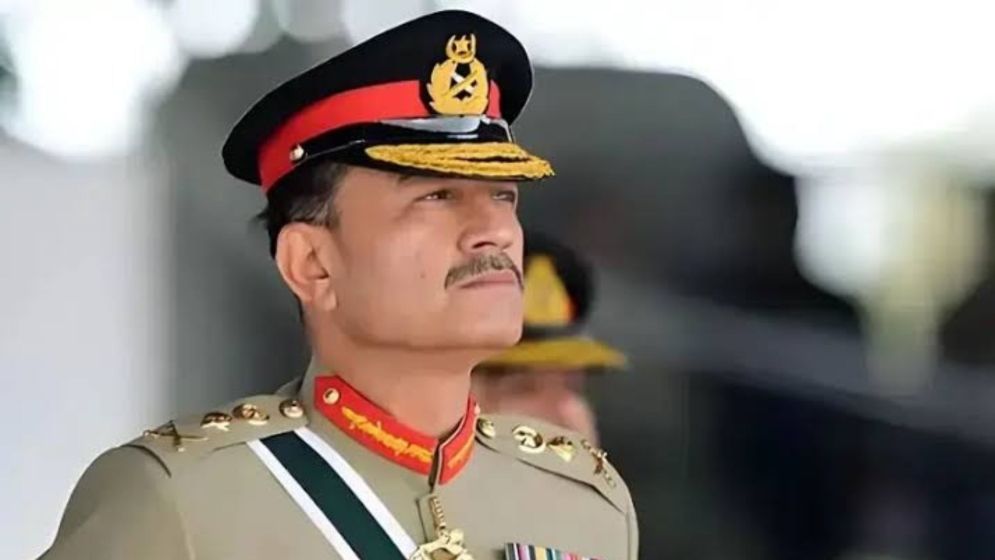
Field Marshal Asim Munir. Photo: Collected
The debate over expanding Pakistan’s four-province structure into as many as 12 provinces has gained renewed attention in recent months. It has sparked intense political friction and faces steep constitutional barriers under Article 239.
General Asim Munir wants to create new provinces to further
fragment politics, weaken the main dynastic parties of Sharif and Zardari and
empower the army and himself on his way to becoming a President in uniform like
Zia and Musharraf before him.
Both Sharif and Zardari are resisting him in different ways. Zardari and Bilawal through open defiance and Nawaz Sharif through buying time.
While many smaller sub-nations across Punjab may welcome the creation of new provinces, this may lead to violence, chaos and serious disorder in Sindh.
There will be a big casualty if they try to redraw provinces.
Pakistan is not in an ideal position to undertake administrative restructuring
at a time when political and social tensions are already running high across
the country, and there is a lot of political distrust.
Redrawing provincial boundaries could trigger further political crises and deepen existing divisions within society. There are already growing fault lines between ethnic and regional groups, including tensions involving Pashtuns and Baloch, Sindhis and Punjabis.
While I believe the establishment is determined to push
ahead with the creation of new provinces, it would be an extremely adventurous
initiative. Such a move would come at a considerable political cost for the
establishment.
Moeed Pirzada is a Pakistani geostrategic analyst. Muhammad Amir Rana is a security analyst and the former director of the Pakistan Institute for Peace Studies, Islamabad. Views are personal.