



 For all latest news, follow the Daily Sun's Google News channel.


COP31
Why India’s stress on country-led just transition pathways is justified
India cannot allow the energy transition to further outpace the socio-economic transition of millions dependent on coal
The Diplomat
Published: 21 Nov 2026, 08:38 PM
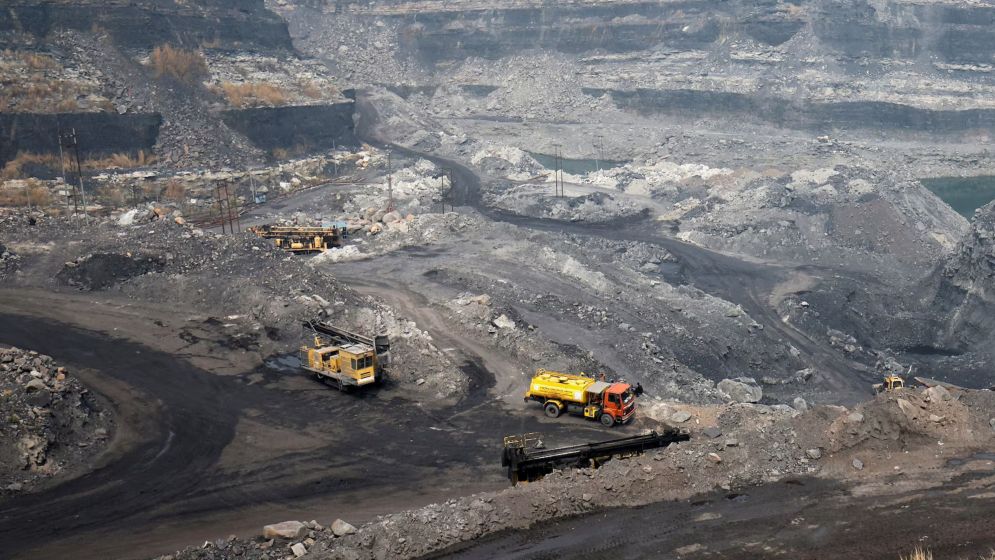
A general view of the open cast coal field at Topa coal mine in the Ramgarh district in the eastern Indian state of Jharkhand, India, 27 February 2024. Photo: Reuters
India has advocated for a two-tier, party-driven just transition mechanism at the COP31 international climate conference in Antalya, Türkiye, arguing that climate transition pathways must reflect national realities and development priorities rather than external mandates.
During discussions at the summit, New Delhi
maintained that a just transition cannot be narrowly confined to shifting
energy sources, but is deeply intertwined with livelihoods, social protection,
poverty eradication, access to affordable and reliable energy, and climate
adaptation.
For developing nations, ensuring industrial and
infrastructure growth alongside renewable energy expansion, local action plans,
and disaster management is vital to tackling climate shocks such as heatwaves,
floods, and droughts, India noted.
Given variations in economic capacity, energy mix, and historical responsibility, imposing a one-size-fits-all transition framework or new obligations is unrealistic, it added.
India clarified that while the UAE Just Transition
Work Programme should continue as a platform for dialogue and
experience-sharing, the proposed new mechanism should translate discussions
into concrete action through technical assistance, capacity building, and
international cooperation.
However, making this transition sustainable and
equitable requires adequate climate finance, technology transfer, and effective
capacity-building support for developing countries, New Delhi stressed.
Without sufficient financial and technological
backing, pressuring developing nations solely to cut emissions could jeopardise
the incomes and jobs of poor and working-class populations, running counter to
the core spirit of climate justice.