


 For all latest news, follow the Daily Sun's Google News channel.


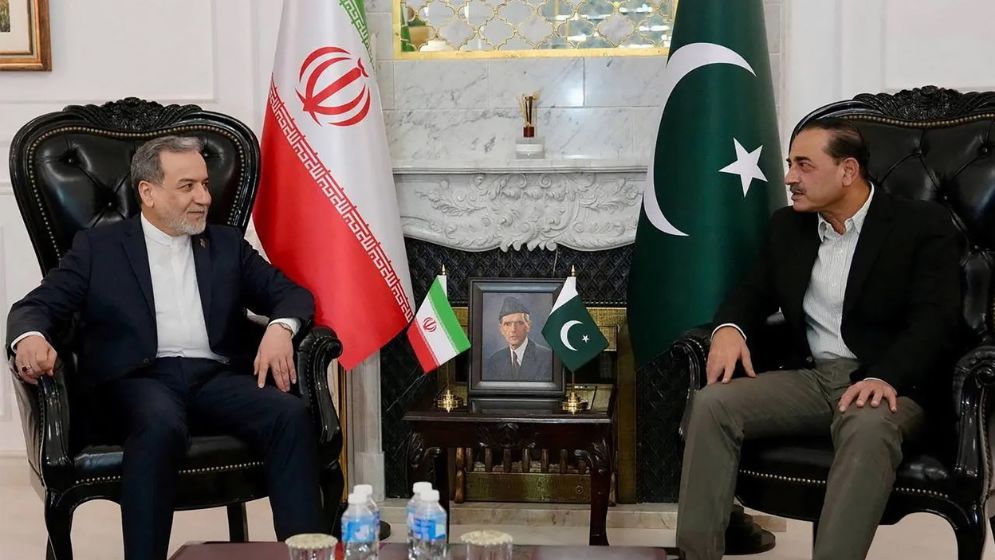
Reuters File Photo
Pakistan is facing embarrassment on the global stage. Its tall claims of being a peacemaker between the US and Iran have lost steam. The diplomatic balloon it had inflated soon after the Gulf crisis started has burst. Iran has not only raised doubts about Islamabad’s neutrality and credibility, but has also asked Pakistan to end the fight with neighbouring Afghanistan. Moreover, it has offered help to resolve the conflict. This has come as a big blow to Islamabad’s efforts to portray itself as a successful mediator.
The successive comments from Iranian politicians, experts and even the government on Afghanistan-Pakistan has picked holes in Pakistan’s ability, capacity and its self-made image as a mediator. What could be more humiliating for Islamabad, which had ridden in on a chariot to broker a truce between the US and Iran, than to be offered help in settling a petty quarrel with Afghanistan? The initial euphoria over international prominence has now given way to uncomfortable questions about Pakistan’s actual influence and the diplomatic bubble it created.
Iranian parliamentarian Mohsen Zanganeh publicly mocked Pakistan and prime minister Shehbaz Sharif over the claims of mediation and brokering a peace deal. Zanganeh said Islamabad acted as per the instructions given by Washington. “Even their tweet was written by the Americans,” he said, ridiculing Pakistan’s claims of being a neutral mediator. Zanganeh said the first tweet Sharif wrote was forwarded to him by Steve Witkoff, United States Special Envoy to the Middle East.
What an irony! The country aspiring to sign a peace deal between two major international adversaries is itself in need of mediation. Pakistan’s military superiority and its expectation of a friendly ally in the Taliban have not worked out as Islamabad wanted. Its limited political leverage, flawed Afghanistan policy, and aggressive military approach have backfired. Islamabad squandered the opportunity to resolve the border crisis by targeting civilian areas through airstrikes, causing growing resentment in Afghanistan.
None of the meetings held to seek a resolution could reach a conclusion or produce a joint statement. All this raised serious doubts about Pakistan’s negotiating power. Islamabad may have gained international attention by facilitating negotiations between Washington and Tehran. However, its failure to resolve its conflict with Kabul demonstrates its inability to act responsibly, tactfully, and efficiently. Against such a backdrop, how can it be seen as a peacemaker?
Tehran has made it clear that Pakistan is not an indispensable intermediary between Washington and Tehran. At the same time, the US has reduced the prominence of Pakistan as other countries like Qatar have joined the process and have taken centre stage, pushing Islamabad aside. American President Donald Trump had in August publicly Trump publicly identified Saudi Arabia, the UAE and Qatar as countries backing negotiations with Iran. There was no mention of Pakistan.
Despite frequent claims by Islamabad about the peace deal being signed soon, it never happened. No wonder the US opened multiple diplomatic channels simultaneously. And Qatar has gained prominence. US Secretary of State Marco Rubio did not mention Pakistan and said Qatar-led talks were ongoing. Iran’s Foreign Minister Abbas Araghchi too said talks were being held with Qatar’s officials over the opening of the Strait of Hormuz.
History repeats itself. Mandarins in Islamabad must remember what happened in 1971. Pakistan had facilitated the rapprochement between the United States and China, which was a big event that time at that time. But that diplomatic breakthrough did not translate into Islamabad's ability to resolve its internal crisis. Bangladesh was formed, splitting Pakistan. Islamabad had failed in negotiations with its own people in what was then East Pakistan.
At present, people in different provinces of Pakistan are protesting against Islamabad’s dominating policies and use of force against people seeking basic rights. The Afghanistan problem still remains hot. Déjà vu. But Islamabad is showing enthusiasm about its new diplomatic identity. Army chief Asim Munir is trying to project the country as an influential geopolitical actor through engagements with the US.
Yet, Pakistan has not managed to achieve any breakthrough in the US- Iran conflict. It should understand its limitations. A true and competent mediator is judged by the confidence it commands and the agreements it helps broker. Leave the US-Iran conflict aside; Islamabad has failed to resolve its internal provincial crisis and its conflict with Afghanistan. What Iran has offered poses uncomfortable questions to Islamabad about its ability to play the role of a mediator. But it is a truth that Islamabad must accept.