


 For all latest news, follow the Daily Sun's Google News channel.


Pakistan's Hormuz agreement with Iran faces test after LNG tanker attack
Nikkei Asia
Published: 09 Nov 2026, 06:26 PM
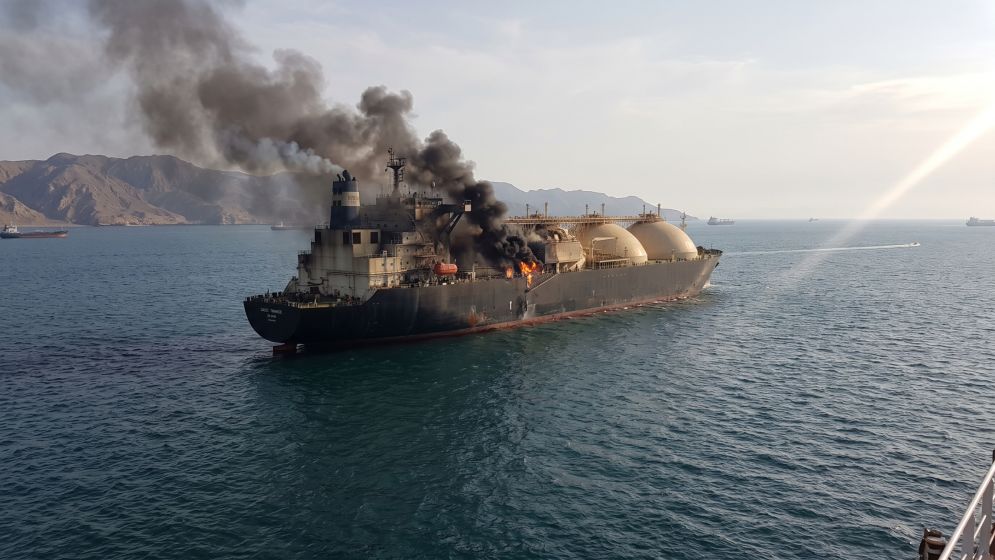
AI generated Representational Image
A diplomatic arrangement between Pakistan and Iran to ensure safe maritime transit through the Strait of Hormuz has faced a severe test after an attack on a Pakistan-bound liquefied natural gas (LNG) tanker from Qatar.
The incident has raised fresh concerns over Islamabad’s
energy supply security, underscoring the urgent need to secure alternative
sources and shipping routes.
The Marshall Islands-flagged tanker, Al Mayeda, came under
attack near the Strait of Hormuz on 30 October.
Owned by Nakilat, Qatar’s state-owned gas transport company,
the vessel had 25 crew members on board at the time of the incident, all of
whom are reported safe. Following the strike, a minor fire broke out aboard the
ship, forcing it to turn back toward Qatar. The perpetrators behind the attack
have not yet been identified.
Pakistan had previously engaged Iranian authorities to
secure safe passage for the vessel. Citing relevant sources, Bloomberg reported
that Tehran had granted clearance for the tanker to navigate through the Strait
of Hormuz.
However, the vessel was struck just hours after receiving clearance, raising serious questions about the effectiveness of Islamabad’s diplomatic understanding with Iran.
According to a report by Nikkei Asia, Pakistan has
experienced major disruptions to its energy supplies since the outbreak of
hostilities between Iran and the US-Israel alliance. A acute LNG shortfall has
forced the country to implement gas rationing and nighttime power supply curbs.
However, researcher Arhama Siddiqa cautioned against viewing
Pakistan’s diplomatic efforts as an immediate failure based on a single attack,
noting that the circumstances surrounding the strike and the identity of the
perpetrators must first be established.
Meanwhile, Pakistan has moved to procure alternative LNG
cargoes for December and January to meet anticipated winter demand. With global
LNG prices surging to more than three times their pre-war levels, purchasing
fuel from alternative sources is expected to impose a steep financial burden on
the country.
For Pakistan, the incident extends beyond a single maritime
strike, bringing fundamental energy security risks to the fore. Failure to
reduce dependence on Qatari supplies and secure alternative providers and
supply routes could exacerbate the country's energy crisis in the near future.