


 For all latest news, follow the Daily Sun's Google News channel.


Xi Jinping's power consolidation concerns China's innovation capacity
China now faces the challenge of maintaining political and administrative control
Daily Sun Report, Dhaka
Published: 08 Nov 2026, 09:56 PM
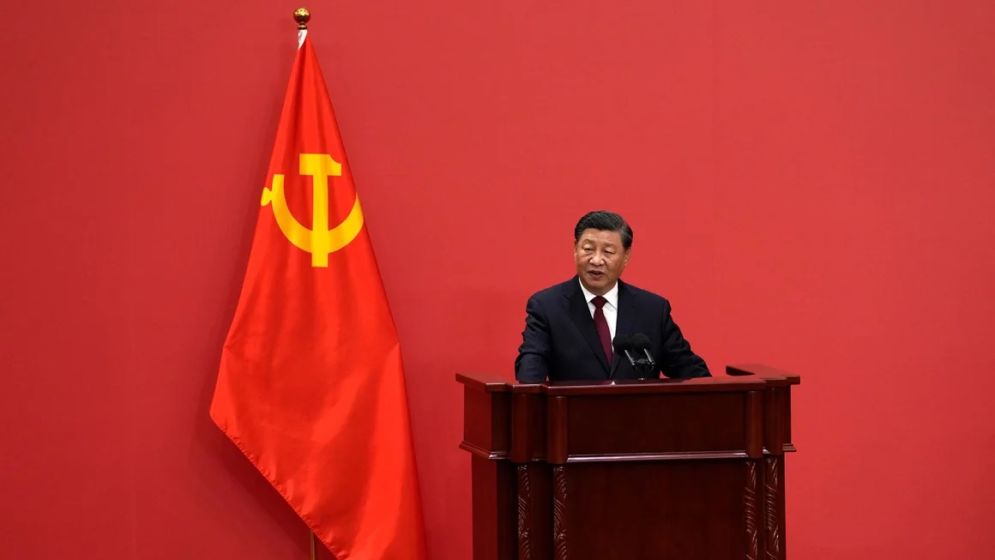
Photo: Collected
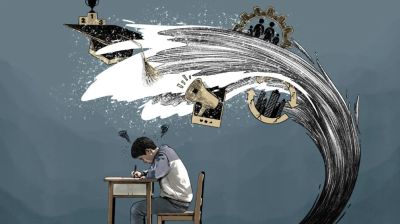
The growing concentration of power in the hands of Chinese President Xi Jinping could undermine the country's economic and technological innovation, as an emphasis on political loyalty risks discouraging independent thinking and experimentation.
According to a Bloomberg report, nearly 14 years
after taking the helm of the Chinese Communist Party (CCP), Xi remains focused
on enforcing loyalty across all levels of the party and state institutions.
Under his leadership, the party's control over the
administration and political structures has further intensified.
The trend could have implications for key sectors of
China's new economy, particularly artificial intelligence, semiconductors,
robotics and other emerging technologies. Innovation in these fields requires
independent thinking, experimentation and the willingness to take risks and
challenge established practices.
However, excessive emphasis on political loyalty may
discourage officials, researchers and entrepreneurs from taking risks, pursuing
new ideas or launching initiatives.
A recent meeting of the CCP Central Committee also
placed emphasis on strengthening party discipline and intensifying
anti-corruption efforts.
While supporters argue that tighter oversight can
reduce administrative irregularities and improve the implementation of
government decisions, analysts warn that excessive control could weaken
officials' ability to make independent decisions.
China now faces the challenge of maintaining
political and administrative control without undermining the environment needed
for innovation and economic competitiveness.
Technological progress and the development of
emerging industries require more than state investment; they also depend on
creativity, independent research and opportunities to turn new ideas into
reality.
Xi's continued efforts to centralise power could
therefore constrain China's long-term innovation capacity, the report suggests.