


 For all latest news, follow the Daily Sun's Google News channel.


US to make visa bond permanent for Bangladesh, 49 other countries
Reuters, Washington
Published: 01 Aug 2026, 06:19 PM
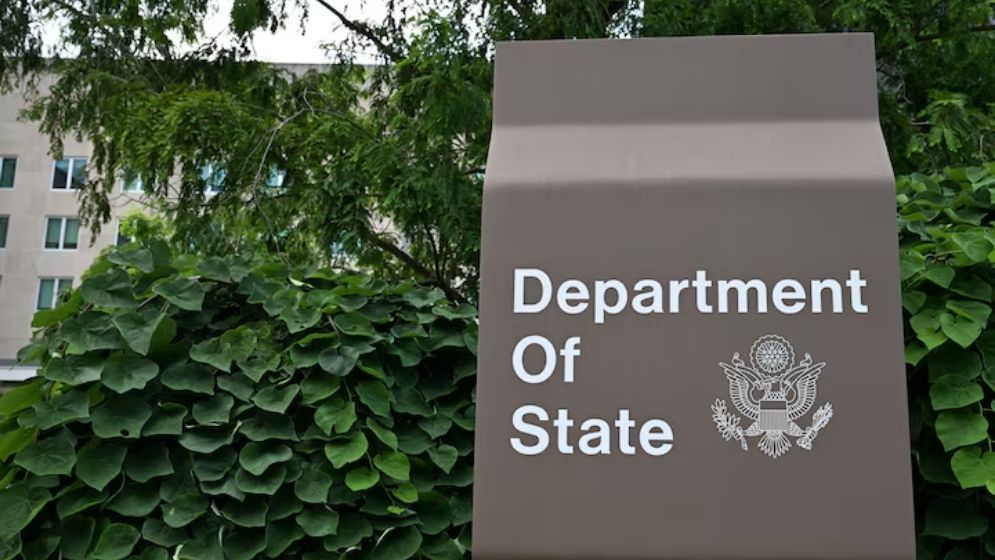
A general view of a US State Department sign outside the US State Department building in Washington, DC, US, 11 July 2025. Photo: Reuters
The US State Department will make permanent a visa bond programme that could require applicants from Bangladesh and 49 other countries, most of them in Africa, to post bonds of up to US$20,000 when applying for US visas, according to a federal notice posted online on Friday.
The Federal Register notice applies to B1 and B2 visas, which are issued for business and tourism travel.
"Consular
officers may require covered nonimmigrant visa applicants to post a bond of up to $20,000 as a condition
of visa issuance, as determined by the consular officers," the
notice said.
"The 2025
visa bond pilot, which provided a framework for the Department of State, the
Department of Homeland Security, and the Department of the Treasury to assess
the feasibility of administering a visa bond program, has provided sufficient
data to suggest that a visa bond program is an effective tool for enforcing
compliance among bonded visa holders."
In the pilot
program, consular officers could require bonds of $5,000, $10,000 or up to
$15,000. The
final rule eliminates the $5,000 option and raises the maximum bond to $20,000.
The final rule
goes into effect on August 3 when it is scheduled for publication in the
Federal Register. In the list of 50 countries, opens new tab for whose citizens
this program applies, 30 are from Africa.
US officials say
the policy is intended to reduce visa
overstays. Immigration advocates argue it will deter legitimate travel to the
United States.
Rights advocates
say President Donald Trump's aggressive immigration crackdown violates free
speech and due process, while creating an unsafe environment for ethnic
minorities and encouraging racial profiling. Trump has defended the measures as
necessary to bolster national security.
While Trump says
he wants to curb illegal immigration, his administration has
made legal immigration more difficult, for example, by imposing new and
expensive fees for applicants of certain visas and by enforcing social media
vetting for applicants and immigrants already in the country.