


 For all latest news, follow the Daily Sun's Google News channel.


US sees progress in Iran talks, but says 'not there yet'
Reuters, DUBAI
Published: 22 May 2026, 10:12 PM
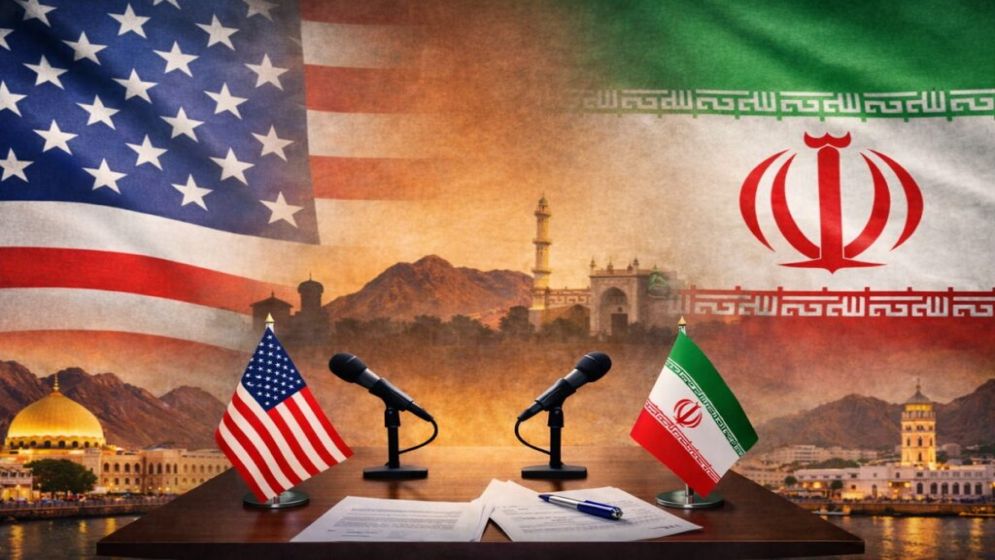
The United States has seen some progress towards a deal with
Iran but more work is required, Secretary of State Marco Rubio said on Friday,
as diplomatic efforts intensified to find an end to a conflict that has roiled
the global economy.
Iran's foreign minister met his Pakistani counterpart on
Friday to discuss proposals to end the war, Iranian media reported, while Qatar
sent a negotiating team to Tehran to try to resolve key differences.
While gaps have been narrowed between the two sides, there
are still sticking points over Iran's enriched uranium and control over the
Strait of Hormuz, whose closure since the beginning of the war has triggered a
global energy crisis.
"There's been some progress. I wouldn't exaggerate it.
I wouldn't diminish it," Rubio told reporters after a meeting of NATO
ministers in Sweden. "There's more work to be done. We're not there yet. I
hope we get there."
Rubio reiterated comments made on Thursday that Iran's plans
for a tolling system for the strait through which a fifth of the world's oil
and liquefied natural gas flows were "unacceptable".
"We're dealing with a very difficult group of people,
and if it doesn't change, then the president's been clear he has other
options," Rubio said.
He also said the US had not asked the NATO military alliance
for help on the Strait of Hormuz but that there needed to be a Plan B if Iran
refuses to reopen the waterway.
Two days after presenting the Iranians with the latest US
message in the negotiations, Pakistani Interior Minister Syed Mohsin Naqvi held
another round of talks with Iranian Foreign Minister Abbas Araqchi in Tehran,
the semi-official Tasnim news agency reported.
The Qatari team, which is working in coordination with the
United States, arrived in Iran on Friday, a source with knowledge of the
situation told Reuters.
Qatar has been a key player in mediating between Israel and
Hamas over the war in Gaza and in other areas of international tension, but had
distanced itself so far from the current conflict after coming under fire from
Iranian missiles and drones.
Uncertainty fuels oil-price gain
The war has wreaked havoc on the global economy, with the
surge in oil prices stoking fears of rampant inflation.
The US dollar was near its highest level in six weeks on
Friday amid the uncertainty over peace talks, while oil prices climbed as
investors doubted the prospects of a breakthrough.
"We're coming to the end of week 12, we're six weeks in
the ceasefire, and I'm just not really that convinced we're any closer to a
resolution between the US and Iran," Tony Sycamore, a market analyst at
IG, said of the Middle East war.
US President Donald Trump said the US would eventually
recover Iran's stockpile of highly enriched uranium - which Washington believes
is destined for a nuclear weapon, though Tehran says it is intended purely for
peaceful purposes.
Two senior Iranian sources told Reuters before Trump's
comments that Iranian Supreme Leader Ayatollah Mojtaba Khamenei had issued a directive
that the uranium should not be sent abroad.
Trump faces domestic pressure ahead of November midterm
elections, with Americans angry over the surge in fuel prices and his approval
rating near its lowest level since he returned to the White House last year.
Tehran submitted its latest offer to the US earlier this
week.
Iran's descriptions suggest it largely repeats terms Trump
previously rejected, including demands for control of the Strait of Hormuz,
compensation for war damage, lifting of sanctions, release of frozen assets and
the withdrawal of US troops.
Traffic through the strait has fallen to a trickle compared
with 125 to 140 daily passages before the war.
Iran has said it aims to reopen the strait to friendly
countries that abide by its terms that could potentially include fees.
In the past 24 hours, 35 tankers, cargo and other commercial
vessels passed through the Strait of Hormuz after obtaining permission from the
Revolutionary Guards Navy, its public relations division said.
The US and Israel say their war aims are to curb Iran's
support for regional militias, dismantle its nuclear program, destroy its
missile capabilities and make it easier for Iranians to topple their rulers.
But Iran has so far retained its stockpile of near-weapons-grade enriched uranium, and its ability to threaten neighbours with missiles, drones and proxy militias.