


 For all latest news, follow the Daily Sun's Google News channel.


White House scrambles for gas-price relief as Iran war drags on
Reuters, Washington
Published: 14 May 2026, 10:23 PM
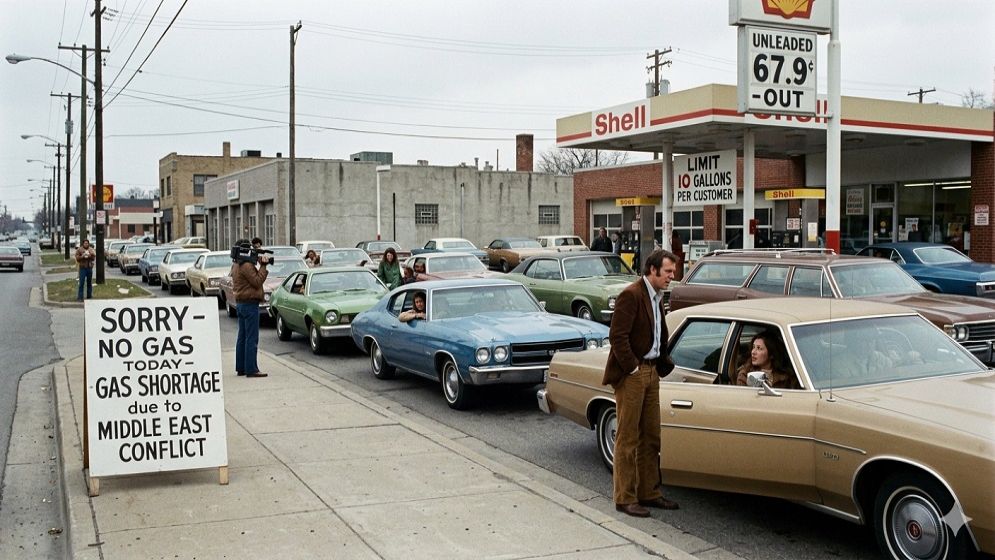
Photo: AI Generated
Trump administration officials are scrambling to contain the
economic and political fallout of the war with Iran, three people familiar with
the White House's discussions told Reuters, as hopes for a quick resolution
fade.
US President Donald Trump this week backed suspending the
federal gas tax, a step that would knock 18 cents a gallon off motor fuel
prices currently averaging more than $4.50 a gallon nationwide. Once viewed by
some White House aides as unnecessary, the idea is gaining urgency as officials
run low on options to show they are tackling rising costs, said the people, who
spoke on the condition of anonymity to discuss sensitive internal
deliberations.
Within the White House, a consensus has emerged that with
prices up 50% since the start of the war, Trump needs "a visible consumer
relief move now," one of the people said.
Historically, $4-per-gallon gasoline has been a level that
triggers public backlash and economic anxiety. That's borne out since the war
started, as consumer sentiment recently dipped to a record low, and US consumer
inflation surged to 3.8% in April, highest in nearly three years.
More than six in 10 Americans say their household's finances
have taken a hit from higher gas prices, according to a May Reuters/Ipsos poll
that put Trump's economic approval rating at just 30%, down several points since
the beginning of the war.
Now, Trump faces mounting pressure from fellow Republicans
who fear economic pain caused by the war could spark voter backlash and cost the party control of the House
of Representatives and possibly the Senate in November's midterm elections.
Administration officials have been poring over market data
to gauge whether the national average price could climb to $5 a gallon,
according to two people familiar with the discussions. Seven states have
already surpassed that mark, AAA data shows.
"They feel like that’s their largest vulnerability
right now: that specific cost, gas, not overall economic conditions," said
a political adviser to the White House. "The toughest thing, too, is that
we made gas prices the Achilles' heel for (former President Joe) Biden and now
it's our own.”
White House spokeswoman Taylor Rogers said Trump and his
energy team had anticipated the war's disruptions to the global energy markets
and prepared a plan to mitigate the impact.
"The ability to supply both the United States and our
allies with reliable, affordable, and secure energy has long been a key
strategic objective of President Trump, and his successful efforts to unleash
American oil and gas has achieved this objective," Rogers said.
'Small price to pay'
The administration's concerns have deepened as US oil and
fuel exports have surged to records, triggered by Asian and European buyers
scrambling for needed supply. That has drawn down US inventories at a time they
typically rise, raising alarms among Wall Street analysts who warn the US could
face a crunch that could send gasoline, diesel and jet fuel prices even higher
this summer.
Energy prices have spiked since Iran cut off access to the
Strait of Hormuz, a waterway that normally carries one-fifth of the world's oil
supplies. Companies ranging from airlines to McDonald's are seeing the effects,
with the fast-food giant's CEO saying last week that lower-income consumers
were spending less.
US airlines’ fuel expenses in March jumped 56% from
February, according to Transportation Department data, squeezing carriers
already operating on thin margins, including Spirit Airlines, the troubled
budget carrier that shut down early in May.
Trump has called the increases a “small price to pay” for
efforts to topple Iran’s regime and prevent Tehran from acquiring a nuclear
weapon.
Asked Tuesday whether Americans’ finances were motivating him
to strike a deal, Trump replied: "Not even a little bit."
"The only thing that matters when I'm talking about
Iran — they can't have a nuclear weapon," Trump told reporters. "I
don't think about Americans' financial situation. I don't think about anybody.
I think about one thing — we cannot let Iran have a nuclear weapon. That's
all."
Gas tax idea gains traction
The gas tax proposal was considered a fallback as recently
as late April, one of the people familiar with White House discussions said,
but the idea gained traction in the past week as the Iran ceasefire track
faltered and officials concluded they needed a policy pivot Americans would
feel.
Trump's proposed suspension would require congressional
approval. Some Republican lawmakers have expressed enthusiasm for the idea, but
party leaders have so far been noncommittal.
In April, the administration exempted some Russian oil from
sanctions and waived shipping regulations to facilitate additional fuel
transport. On Monday, the Energy Department said it would loan another 53.3
million barrels of oil from the national security stockpile to ease market
jitters.
Just one in four Americans believe the war on Iran has been
worth the cost, with 53% believing it has not been worth it and the rest
unsure, according to a Reuters/Ipsos poll conducted 24-27 April. One in five
Republicans said the war has not been worth it.
Amy Koch, a Republican strategist who advises state and
federal candidates, said the administration has a short window to end the
conflict and ease fuel price pressures ahead of Memorial Day, the unofficial
start of summer driving season.
"I think people are willing to endure some short-term
financial pain if it means we deal with Iran," Koch said, "but the
clock is ticking for the White House."