


 For all latest news, follow the Daily Sun's Google News channel.


US Intelligence Report
Iran can outlast Trump’s Hormuz blockade for months
The Washington Post
Published: 08 May 2026, 12:58 PM
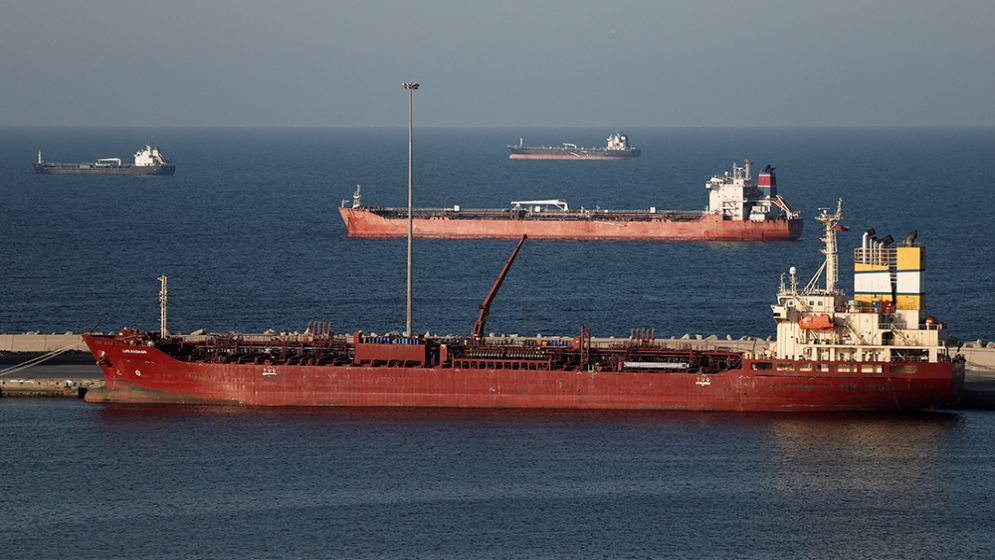
Photo : REUTERS
A confidential CIA analysis delivered to administration policymakers this week concludes that Iran can survive the US naval blockade for at least three to four months before facing more severe economic hardship, four people familiar with the document said, a finding that appears to raise new questions about President Donald Trump’s optimism on ending the war.
The analysis by the US intelligence community, whose secret assessments on Iran have often been more sober than the administration’s public statements, also found that Tehran retains significant ballistic missile capabilities despite weeks of intense US and Israeli bombardment, three of the people familiar with it said.
Iran retains about 75 percent of its prewar inventories of mobile launchers and about 70 percent of its prewar stockpiles of missiles, a US official said. The official said there is evidence that the regime has been able to recover and reopen almost all of its underground storage facilities, repair some damaged missiles and even assemble some new missiles that were nearly complete when the war began.
Trump painted a rosier picture in Oval Office remarks on Wednesday, saying of Iran: “Their missiles are mostly decimated, they have probably 18, 19 percent, but not a lot by comparison to what they had.”
Three current and one former US official confirmed the outlines of the intelligence analysis, speaking on the condition of anonymity to discuss the sensitive matter.
Asked for comment, a senior US intelligence official emphasized the blockade’s impact. “The President’s blockade is inflicting real, compounding damage — severing trade, crushing revenue, and accelerating systemic economic collapse. Iran’s military has been badly degraded, its navy destroyed, and its leaders are in hiding,” the official, who was not authorized to speak on the record, said in a statement. “What’s left is the regime’s appetite for civilian suffering — starving its own people to prolong a war it has already lost.”
Trump, Defense Secretary Pete Hegseth and other officials have consistently presented the war as an overwhelming US military victory, despite Iran’s rejection of Washington’s demands that it abandon nuclear enrichment, surrender its uranium stockpiles, reopen the Strait of Hormuz and take other steps.
Trump called the blockade “unbelievable” on Wednesday. “The Navy has been incredible. The job they did … it’s like a wall of steel. Nobody goes through,” he said.
A day prior, he said Iran’s economy “is crashing,” its currency is “worthless,” and it “can’t pay” its troops.
Treasury Secretary Scott Bessent, touting the president’s sanctions regime, dubbed “Economic Fury,” noted in late April that Iran’s main oil terminal would soon reach capacity, “causing permanent damage to Iran’s oil infrastructure.”
But Iran has proved resilient, despite losing its supreme leader and many other top officials to missile strikes, as well as much of its military hardware.