




 For all latest news, follow the Daily Sun's Google News channel.


Explanation
Middle east conflict risks far-reaching civilian fallout
Mushrifa Nuzhat, Daily Sun
Published: 08 Apr 2026, 03:52 PM
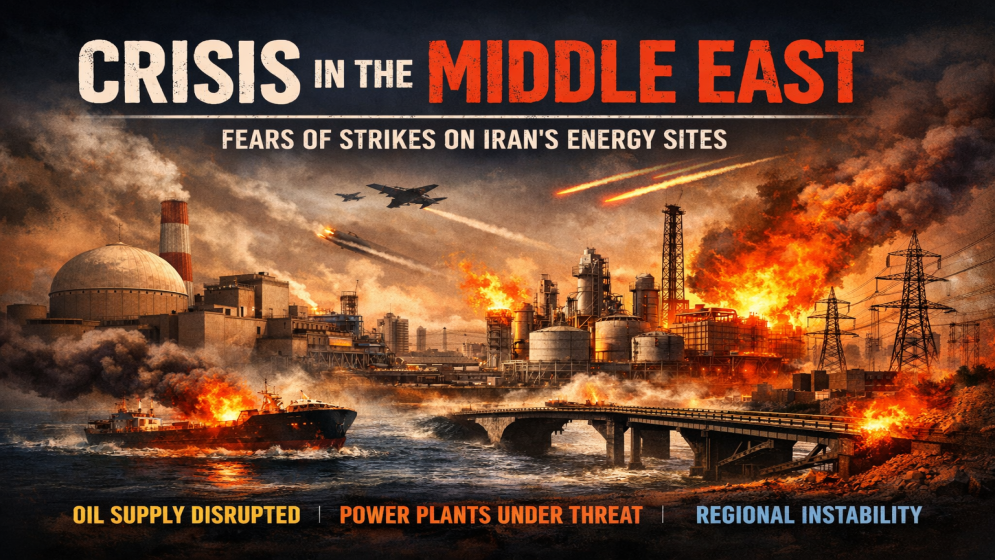
Tensions in the Middle East—Hormuz crisis and energy security under threat—
A wave of concern is spreading globally as
tensions escalate in the Middle East following a US move against Iran, with
analysts warning of far-reaching consequences for energy markets and regional
stability.
The situation has already triggered fears of
an energy crisis, rising prices and growing instability. In response to
pressure from the United States and Israel, Tehran is believed to have deployed
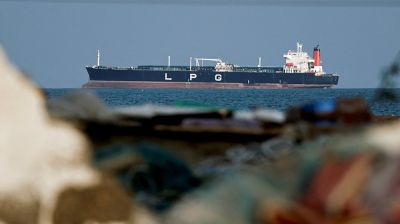
one of its most significant strategic levers—the Strait of Hormuz—a vital
global oil transit route, disrupting movement through the channel.
Observers suggest such a move may not have
been anticipated by US President Donald Trump, who has issued a firm ultimatum
to Iran, warning that if the strait is not reopened by 7 April, key
infrastructure—including power facilities and bridges—could be targeted from 8
April.
At the centre of the threat lies Iran’s vast
electricity infrastructure, which supports more than 90 million people. The
country’s power network, one of the largest in the region, relies heavily on
natural gas, accounting for about 86% of total electricity generation in 2025.
The grid includes hundreds of plants powered by gas, oil, hydropower and
nuclear energy.
Major installations are strategically located
near densely populated and industrial areas such as Tehran, Isfahan and
Mashhad, as well as along the Persian Gulf coast where key gas fields and ports
are situated. Any large-scale strike could therefore have direct consequences
for civilian populations.
Among the most critical facilities is the
Damavand power plant near Tehran, with a generation capacity of around 2,900
megawatts. Other major plants include Shahid Salimi on the Caspian coast,
Shahid Rajaei in Qazvin, the Karun-3 hydropower dam in Khuzestan, and the
Kerman plant. A single 100-megawatt plant can supply electricity to nearly
100,000 households, underscoring the importance of these installations.
Iran’s only nuclear power facility, Bushehr
Nuclear Power Plant, located along the Persian Gulf, presents additional risks.
Any strike on the site could lead to radioactive contamination extending beyond
Iran’s borders and affecting the wider region.
Experts warn that targeting civilian
infrastructure such as power plants or bridges could be considered “collective
punishment” under international humanitarian law, as the impact would extend
beyond military objectives to ordinary people, affecting essential services from
hospitals to water supply.
Analysts say Iran’s energy infrastructure is
not only a strategic asset but also the backbone of its economy and daily life.
Beyond where any strike might occur, the broader concern remains how deeply
such actions could affect civilian life across the Middle East.