


 For all latest news, follow the Daily Sun's Google News channel.


When Jesus Christ used to teach his followers knowledge and wisdom, he often used parables. Saint Luke recorded Jesus’ teachings about human greed for worldly possessions in a parable. According to that record: “Someone in the crowd said to him, 'Teacher, tell my brother to divide the inheritance with me.’” Jesus replied, “Man, who appointed me a judge or an arbiter between you?” Then he said to them, “Watch out! Be on your guard against all kinds of greed; a man’s life does not consist in the abundance of his possessions.” And he told them this parable: “The ground of a certain rich man produced a good crop. He thought to himself, ‘What shall I do? I have no place to store my crops. I will tear down my barns and build bigger ones, and there I will store all my grain and my goods. And I’ll say to myself, “You have plenty of good things laid up for many years. Take life easy; eat, drink and be merry.” ’
“But God said to him, ‘You fool! This very night your life will be demanded from you. Then who will get what you have prepared for yourself?’ This is how it will be with anyone who stores up things for himself but is not rich towards God” (Luke 12:13-21). All the while in the story the rich fool man talked to himself only. He did not have any consideration or any relationship with anyone else. No consideration was in his mind about God. He was over-concerned about his own worldly pleasure and satisfaction. Jesus asked, “What good is it for a man to gain the whole world yet forfeits his soul?” (Mark 8:36, Matthew 16:26).

Apostle Paul warned particularly religious leaders against greed for money and possession. He said in1 Timothy 6:10, “The greed for money is the root of many evils.” It is pertinent to quote what Saint Paul wrote to his disciple: “But godliness with contentment is great gain. For we brought nothing into the world, and we can take nothing out of it…. People who want to get rich fall into temptation and a trap and into many foolish and harmful desires that plunge man into ruin and destruction. For the love of money is a root of all kinds of evil. Some people, eager for money, have wandered from the faith and pierced themselves with much grief.” It is very shameful when people in religious and spiritual leadership positions are lustful or greedy for any earthly gains and pleasures.
As we can see, the very parable in our discussion arises from the hunger for inheritance and riches. Jesus warned his hearers against all kinds of greed. All our possessions are given us by Almighty Creator with the mandate of faithful stewardship, which means using each and every resource or possession as a sacred trust for our own benefit and for the benefit of the society in which we live. The Bible is concerned right from the beginning to the end with the concept of faithful stewardship of all kinds of possessions. We live in a world where there has always been a lamentable lack of faithful stewardship of God’s gifts to us, humankind.
Everything belongs to God, including our own lives. The very concept of stewardship originates from our life and attitude to life. Our wealth or money is not the problem. It is our attitude to them that matters: what we do with our possessions that matters most. We are not disturbed by what we have, but we are disturbed by our attitude to what we have or may have. The man in the story concerned was thinking in terms of “many years”. But he ignored the One who is eternal.
We need food, clothing and housing for an honourable life. But we are judged by our love and concern for others. God loves and likes to care for every part of his good creation. We cooperate with God when we share our possessions with those who lack or may lack in any of them.
Our mortal life is enough clarification about what really matters most. The rich man in the story had entirely wrong priorities. Wealth is good, but it cannot, on its own, ensure a right relationship with Man and God. The man had a smart management policy about his grains. But he entirely lacked any human values in it. He was not at all a faithful and good steward concerned for his wealth. His possession mastered over his true life and human values. Humans have body, mind, soul and spirit. They constitute one whole human person. We need to give possible care for each of them so that we may grow into a full human person. Not everybody has the same or equal opportunity or condition to do that. Hence, there is a need for us to have consideration for others. This is true humanity. Behind this love is the guiding force. If we love our Creator God, who is love for all his creation, we must manifest that in loving and respecting others. Love should master our life, not our wealth or riches.
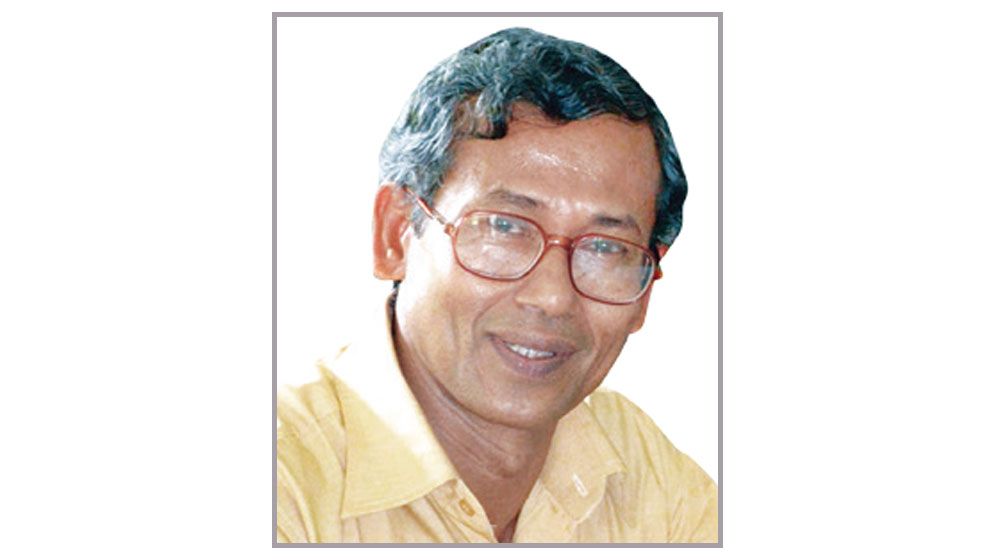
The writer is a Christian Theology teacher and Church leader