


 For all latest news, follow the Daily Sun's Google News channel.


Six deadly sins that brought down mighty nations
Mufti Omar bin Nasir
Published: 09 Sep 2026, 09:06 AM
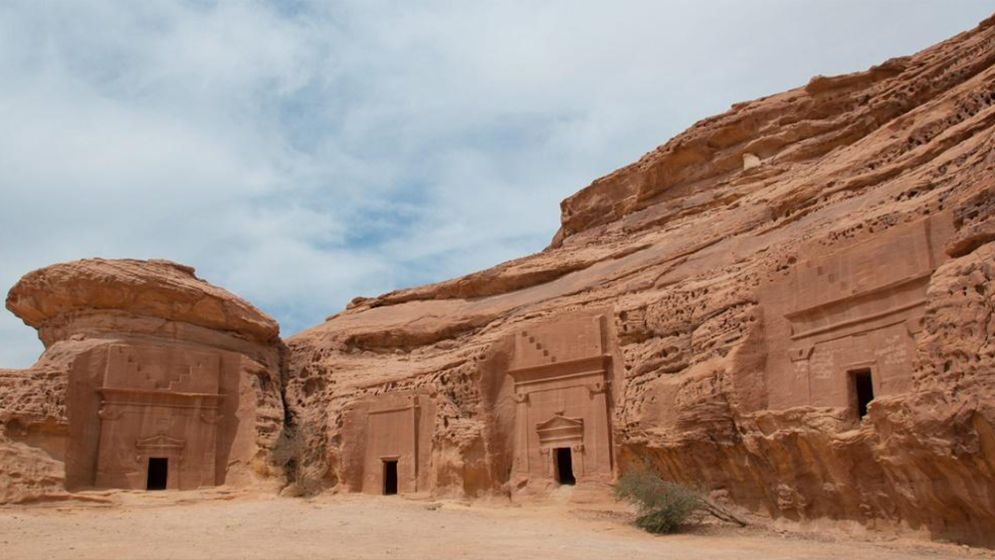
Photo: Collected
History is not merely a story of the past; it is also a warning for the future. The Holy Quran recounts the rise and fall of many previous nations so that people may learn from their mistakes.
No nation was destroyed simply because it was powerful. Rather, divine punishment befell them when they became disobedient to Allah, arrogant, involved in shirk (associating partners with Allah), morally corrupt, economically dishonest and rebellious against the truth.
Verses 65–93 of Surah Al-A'raf recount, in succession, the fate of the peoples of Nuh (PBUH), Hud (PBUH), Salih (PBUH), Lut (PBUH) and Shu'ayb (PBUH). The story of Pharaoh and his people is also described in detail in various parts of the Quran. These accounts seem to tell people today that the consequences of wrongdoing do not change: times change and people change, but Allah's law of justice remains unchanged.
1. The People of Nuh — The Consequences of Shirk and Rejecting the Truth
Nuh (PBUH) called his people to the oneness of Allah for a long period. He said: “O my people, worship Allah; you have no deity other than Him.” (Surah Al-A'raf, verse 59)
But most of his people refused to accept the truth. They remained committed to the idol worship of their forefathers.
Eventually, their disobedience reached such a level that Allah destroyed them through the great flood. Allah says: “Then they denied him, so We saved him and those with him in the Ark, and We drowned those who denied Our signs.” (Surah Al-A'raf, verse 64)
Lesson: Tawhid (belief in the oneness of Allah) is the fundamental basis of salvation. Therefore, the truth must not be rejected because of ancestral traditions, social conventions or the views of the majority.
2. The People of 'Ad — The Consequences of Arrogance and Disobedience
The people of 'Ad were the community of Hud (PBUH). They were advanced in physical strength, power and architecture. But instead of making them humble, their strength made them arrogant.
Hud (PBUH) said to them: “Do you build on every elevation a monument, amusing yourselves? And take for yourselves palaces and fortresses that perhaps you will live forever?” (Surah Ash-Shu'ara, verses 128–129)
They rejected Allah's signs and opposed Hud (PBUH). Eventually, a violent wind destroyed them. Allah says: “And as for 'Ad, they were destroyed by a screaming, violent wind.” (Surah Al-Haqqah, verse 6)
Lesson: Strength, wealth, technology and power are blessings from Allah, not reasons for arrogance. However powerful a person may become, they remain weak before Allah.
3. The People of Thamud — The Consequences of Disrespecting Allah's Signs
The people of Salih (PBUH) were Thamud. They asked for a sign from Allah, and He gave them a she-camel as a test.
Salih (PBUH) warned them: “This is the she-camel of Allah—a sign for you. So let her graze on Allah's land and do not harm her.” (Surah Al-A'raf, verse 73)
But they disobeyed Allah's command and killed the she-camel. Allah's punishment then befell them.
Lesson: Mocking Allah's signs, denying the truth and knowingly violating Allah's commands can lead to grave consequences.
4. The People of Lut — The Consequences of Moral Decline
The people of Lut (PBUH) had fallen into a state of moral corruption that, according to the Quran, had not been seen among any previous people. They openly engaged in indecency and same-sex sexual acts and rejected their prophet's warning.
Lut (PBUH) said: “Do you commit such immorality as no one has preceded you with among the worlds?” (Surah Al-A'raf, verse 80)
Instead of reforming themselves, they threatened to expel Lut (PBUH) and his followers. Allah consequently sent severe punishment upon them. The Quran says: “So when Our command came, We turned the city upside down and rained upon them stones of baked clay, one after another.” (Surah Hud, verse 82)
Lesson: When a society openly normalises indecency and moral corruption and rejects calls for reform, it can face grave consequences.
5. The People of Madyan — The Consequences of Economic Dishonesty and Violating People's Rights
The people of Madyan, the community of Shu'ayb (PBUH), had deviated from Tawhid and were also dishonest in business. They gave short measure and weight and wrongfully took people's property.
Shu'ayb (PBUH) said: “Give full measure and weight and do not deprive people of their due.” (Surah Al-A'raf, verse 85)
He also told them: “And do not cause corruption on the earth after its reformation.” (Surah Al-A'raf, verse 85)
But they rejected his call, and Allah's punishment eventually befell them.
Lesson: Alongside prayer and fasting, protecting people's financial rights is also an important Islamic teaching. Fraud in business, giving short measure, bribery, embezzlement and unlawfully consuming people's wealth are serious sins.
6. Pharaoh and His People — Arrogance in Power and Rebellion Against the Truth
Pharaoh was a ruler blinded by extreme arrogance over his power. He considered himself the supreme authority and persecuted the Children of Israel.
Musa (PBUH) called him to the oneness of Allah, but Pharaoh arrogantly rejected the truth. Allah says: “Indeed, Pharaoh exalted himself in the land and divided its people into factions.” (Surah Al-Qasas, verse 4)
Even after witnessing the miracles of Musa (PBUH) and recognising the truth, Pharaoh and his followers continued to deny it. Eventually, Allah drowned them in the sea.
Lesson: State power, position, wealth and popularity cannot place anyone above the commands of Allah.
May Allah grant us the ability to learn from the verses of the Quran, act upon them and protect ourselves from the mistakes of previous nations. Ameen.