


 For all latest news, follow the Daily Sun's Google News channel.


The door of Allah’s mercy always open to all
Mufti Muhammad Al-Amin
Published: 03 Sep 2026, 09:13 AM

Photo: Collected
Committing sins is part of human nature, while forgiveness is an attribute of Allah. It is natural for human beings to commit sins and offences. Allah, the Almighty, loves to forgive the mistakes and shortcomings of His beloved servants. However, the condition is that one must repent as soon as a sin is committed.
One must seek forgiveness from the depths of one's heart, feel ashamed of one's actions and wrongdoings, and firmly resolve never to commit the offence again in the future. Only then can repentance be accepted. Allah, the Almighty, declares in the Holy Quran: “If any of you does an evil deed in ignorance, then afterwards repents and reforms himself, He is certainly Most Forgiving, Most Merciful” (Surah Al-An'am: 54).
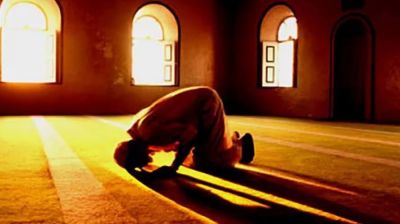
This verse makes it clear that no matter how many offences a person may commit, Allah will forgive them if they sincerely seek forgiveness from Him. People may commit sins knowingly or unknowingly. If they repent from the depths of their hearts, it is hoped that Allah, the Almighty, will forgive them. For Allah is the Most Merciful and the Most Compassionate. His mercy towards His servants is boundless. Therefore, when a servant commits an offence out of error, acknowledges it and feels ashamed before Allah, He loves to forgive that servant. He delights in granting forgiveness. The door of Allah's forgiveness is always open to His servants. It remains open forever.
Allah waits for His sinful servant to return to Him in repentance—to abandon sinful deeds forever, shed tears of remorse and once again present himself before his Lord. Regarding the forgiveness of sins after repentance, another verse of the Holy Quran states: “And those who do evil deeds, then repent afterwards and believe—indeed, your Lord after that is certainly Forgiving, Merciful” (Surah Al-A'raf: 153).
This verse also gives a clear indication that those who repent receive forgiveness. Numerous Hadiths in the books of Hadith mention the virtues and status of those who repent. One well-known Hadith states that the person who repents from a sin is like one who has committed no sin. Another Hadith says that all the children of Adam are sinners, and the best of sinners are those who repent.
Allah, the Almighty, will forgive His beloved servants, but this does not mean that a servant can continue committing sins repeatedly or persist in wrongdoing. Nor does it mean that a person may knowingly commit the same offence again and again. Deliberately persisting in sin is not the repentance that earns forgiveness. The Holy Quran states in another verse: “Repentance accepted by Allah is only for those who do wrong in ignorance and then repent soon afterwards. It is they to whom Allah will turn in mercy. And Allah is All-Knowing, All-Wise” (Surah An-Nisa: 17).
In other words, repentance is not accepted when a person knowingly persists in repeatedly committing offences. Therefore, those among us who have committed sins and become involved in wrongdoing many times in our lives should delay no longer. Let us repent today. Let us seek forgiveness. However, one must not become despondent after committing a sin. Losing hope after committing an offence is itself another wrongdoing.
The Holy Quran strongly forbids despair in verse 53 of Surah Az-Zumar. When a child admits a mistake to his or her parents after committing an offence and sincerely regrets it, parents forgive their child. Allah, the Most Merciful, is infinitely more compassionate than parents. Therefore, when a servant commits countless offences but sincerely seeks forgiveness, Allah forgives them. This is certain.
Regarding how often we should repent, the beloved Prophet Muhammad (PBUH) said: “O people! Repent to Allah and ask Him for forgiveness, for I repent to Allah 100 times a day” (Muslim).
The Messenger (PBUH) was sinless, and all his past and future shortcomings had been forgiven. Yet, if he repented 100 times a day, then we should repent much more frequently. May Allah, the Almighty, grant us all the ability to repent to Him abundantly.
Author: Khatib, Samiti Bazar Mosque, Nakhalpara, Dhaka