


 For all latest news, follow the Daily Sun's Google News channel.


Ashura Fasting: Significance, Rewards and Guidelines
Daily Sun Report, Dhaka
Published: 25 Jun 2026, 09:50 AM
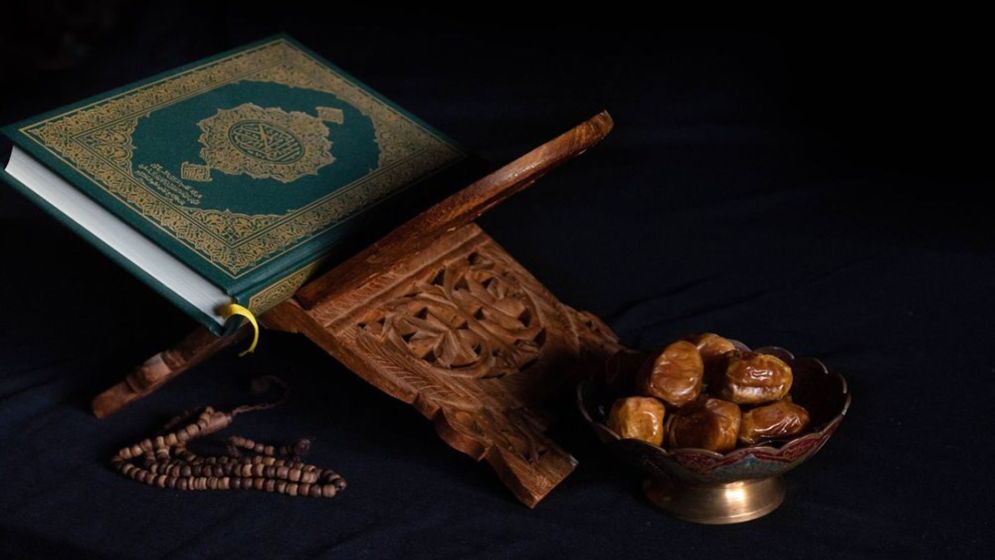
The Ashura fasting is a highly recommended Sunnah that was observed by Prophet Muhammad (peace be upon him), who also encouraged his followers to observe it.
Muharram is the first month of the Islamic calendar. The tenth day of this month is known as Holy Ashura. The term “Ashura” is derived from the Arabic word Ashara, meaning “ten” or “tenth.” This day commemorates several significant events in Islamic history. Islamic law recognizes the importance and status of Ashura through the observance of fasting. The Ashura fasting is a highly recommended Sunnah that was observed by Prophet Muhammad (peace be upon him), who also encouraged his followers to observe it.
According to Islamic teachings, Muharram is one of the four sacred months. Regarding these months, Allah says in the Holy Quran: “Indeed, the number of months with Allah is twelve months in the register of Allah from the day He created the heavens and the earth; of these, four are sacred.” (Surah At-Tawbah, 9:36)
One of the most important acts of worship during this honored month is Ashura fasting. Abu Qatadah (may Allah be pleased with him) reported that the Prophet (peace be upon him) said: “I hope from Allah that fasting on the day of Ashura will expiate the sins of the previous year.” (Sahih Muslim, Hadith 1162)
After migrating to Madinah, the Prophet (peace be upon him) noticed that the Jews observed a fast on the day of Ashura because it was the day when Allah saved Prophet Musa (Moses, peace be upon him) and his followers from Pharaoh. The Prophet then said: “We have more right to Musa than you.” (Sahih al-Bukhari, Hadith 4680)
He subsequently observed the fast himself and instructed his companions to do the same. However, Islam also teaches Muslims to maintain a distinct religious identity. Therefore, toward the end of his life, the Prophet (peace be upon him) said: “If I live until next year, I will certainly fast on the ninth day as well.” (Sahih Muslim, Hadith 1134)
Based on this hadith, Islamic scholars state that the best way to observe the fast of Ashura is to fast on the 9th and 10th of Muharram. Alternatively, one may fast on the 10th and 11th of Muharram. Fasting only on the 10th is also valid and fulfills the Sunnah, although fasting two days is considered better.
The fast of Ashura is not only a means of seeking forgiveness for sins; it also teaches sacrifice, patience, gratitude, and obedience to Allah. It further reminds the Muslim Ummah of the sacrifice of Imam Husayn (may Allah be pleased with him) at Karbala. His unwavering commitment to truth and justice continues to inspire Muslims throughout the ages.
Through the fast of Ashura, a believer can seek closeness to Allah, attain forgiveness, and purify the soul. Therefore, understanding the significance of this blessed day and observing its fast properly is highly beneficial for every Muslim.
May Allah grant everyone the ability to observe the fast of Ashura correctly and sincerely. Ameen.