


 For all latest news, follow the Daily Sun's Google News channel.


JU study identifies 54 wild nectar plants vital to butterfly conservation
BSS, Dhaka
Published: 17 Nov 2026, 08:43 AM
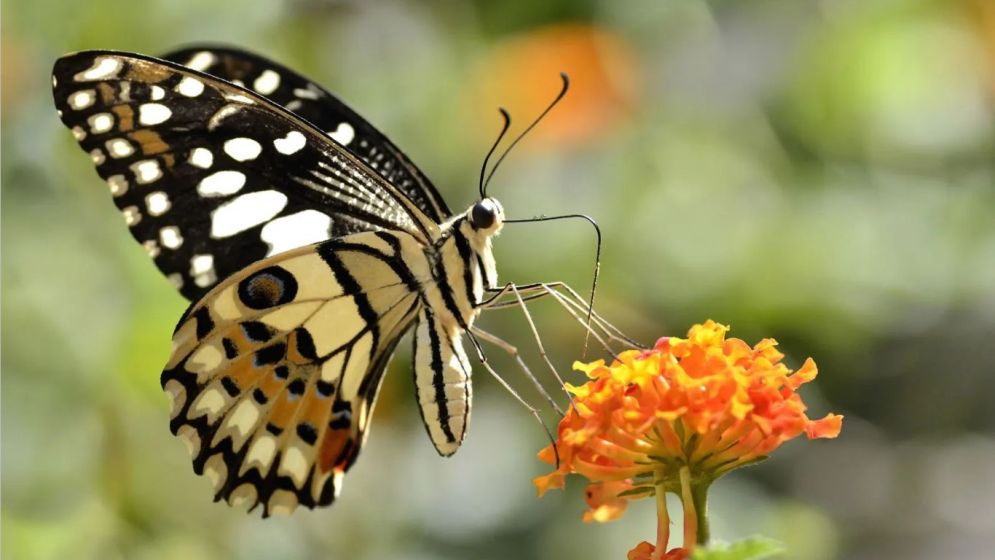
Photo : Collected
A study conducted on the Jahangirnagar University (JU) campus has highlighted the crucial role of wild nectar-bearing plants in sustaining butterfly diversity, identifying 54 plant species that provide nectar to 60 butterfly species.
The findings underscore the importance of protecting wild nectar plants and their natural habitats to support butterfly conservation efforts in Bangladesh.
The study, titled "Butterfly-Wild Nectar Plant Interactions and DNA Barcoding of These Plants in Bangladesh", was published in the July 2026 issue of Bioresearch Communications.
Muntahena Ruhi, Shraboni Das, Nur A Afsari and Prof Dr Md Monwar Hossain of the Department of Zoology at Jahangirnagar University jointly conducted the study.
The researchers identified 54 wild nectar plant species belonging to 30 families. The Asteraceae family had the highest representation, with 11 species, while Acanthaceae and Verbenaceae had four species each.
Of the identified plants, 16 species were available throughout the year and provided nectar to all 60 butterfly species recorded in the study. These included Lantana camara, Mimosa pudica, Ageratum conyzoides, Wedelia trilobata and Richardia scabra.
The researchers divided the university campus into 10 study sites to examine the distribution of nectar plants.
The highest diversity, comprising 49 plant species, was recorded near the swimming pool, while the lowest, with 28 species, was found near the Statistics Department.
Prof Dr Md Monwar Hossain, one of the researchers, said the study was initially conducted as a pilot study at Jahangirnagar University, but its findings could have broader implications for butterfly conservation across Bangladesh.
"Environmental conditions and other ecological factors in different parts of the country are largely similar. Butterflies across Bangladesh also depend on nectar-bearing plants for their survival. Therefore, protecting these plants is important for conserving butterfly biodiversity nationwide," he said.
He said 16 of the 54 wild nectar plant species were present year-round and collectively supported all 60 butterfly species recorded on the campus, highlighting the importance of understanding butterfly-plant interactions.
The findings demonstrated the significant contribution of wild nectar-bearing plants to sustaining butterfly populations and maintaining biodiversity, he added.
Prof Monwar said Jahangirnagar University had been organising various awareness programmes, including the annual Butterfly Fair, to promote butterfly conservation.
Such initiatives could help raise public awareness about the importance of protecting nectar-bearing plants and their natural habitats, he added.
The researchers also used DNA barcoding with the matK gene to verify the identity of selected nectar plants. The process was completed for six species, while the remaining 48 are expected to be analysed in the next phase.
Prof Monwar said DNA barcoding would help ensure accurate species identification and strengthen biodiversity assessment and conservation initiatives in Bangladesh.
According to the study, a total of 421 butterfly species have been documented in Bangladesh. Of them, 110 were previously recorded on the JU campus, but the number has declined to 72, raising concerns about the condition of their habitats.
The study said identifying nectar plants and understanding their distribution could help develop effective habitat management and conservation strategies.
It also stressed the importance of protecting natural vegetation, warning that habitat degradation and the loss of wild plants could reduce food sources for butterflies and other pollinators.