


 For all latest news, follow the Daily Sun's Google News channel.


Seminar on National Logistics Policy held at BIM
Daily Sun Report, Dhaka
Published: 23 Jul 2026, 11:49 AM
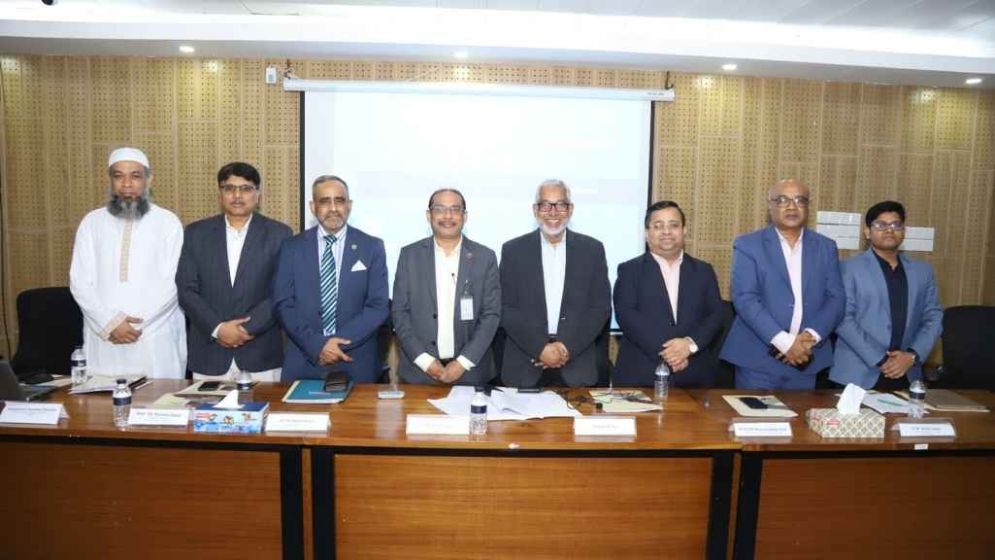
Photo: Courtesy
The Bangladesh Institute of Management (BIM) organised an academic seminar on the recently adopted National Logistics Policy 2025 and supply chain facilitation at its training complex in the capital on Tuesday.
BIM, a state-run management training and research institute, hosted the second edition of the seminar since 2024 as part of its plan to establish an annual platform for informed dialogue on logistics policy implementation, emerging challenges and future opportunities, according to a press release.
The seminar brought together academics, industry leaders, supply chain professionals and researchers to discuss the strategic importance of the policy and its role in strengthening Bangladesh's competitiveness in regional and global supply chains.
Director General of BIM Md Salim Ullah, chaired the event, while Naquib Khan, a supply chain professional and independent director of Unilever Consumer Care Ltd, delivered the keynote presentation.
The panel of discussants included Prof MD Mamun Habib of Independent University, Bangladesh; Rear Admiral (retd) ASM Abdul Baten, general secretary of the Bangladesh Ocean Going Ship Owners Association; Engr Sk Waresul Habib, executive director of Olympic Industries PLC; and Hasibul Islam, assistant prof at Bangladesh Maritime University.
The seminar focused on the National Logistics Policy 2025, which aims to transform Bangladesh into a competitive regional logistics hub through integrated infrastructure development, institutional reforms, digital transformation and stronger supply chain connectivity.
As part of BIM's experiential learning approach, the seminar sought to bridge academic knowledge with practical policy discussions. It also aimed to deepen understanding of Bangladesh's logistics policy framework, promote evidence-based dialogue between public and private stakeholders, identify future competency needs for supply chain professionals, strengthen institutional collaboration, assess policy implementation progress, encourage applied research and establish a sustainable annual academic forum on logistics and supply chain management.