


 For all latest news, follow the Daily Sun's Google News channel.


Hills too have eyes?
How cricket's richest circus lost its crowd
Sabbib Bin Sattear, Dhaka
Published: 09 May 2026, 05:21 PM

COLLECTED PHOTO
In this edition of the Indian Premier League, linear TV ratings have cratered by 18.8%, advertisers are deserting en masse, and fans are tuning out mid-match.
The numbers suggest the IPL's golden era may be quietly drawing to a close.
For nearly two decades, the IPL was the one event that stopped India. Brands paid fortunes just for 10 seconds of airtime. But in 2026, the numbers tell a quieter and more unsettling story.
According to data released by BARC India and TAM Sports, the first half of IPL 2026 has recorded the sharpest decline in linear television viewership in the league's 19-year history.
The figures are not a rounding error or a weather anomaly; they represent a structural rupture in the relationship between India's most lucrative sporting property and its once-captive audience.
The instinctive defence from league officials has been swift: audiences haven't disappeared, they've migrated. JioHotstar's opening weekend numbers for IPL 2026 claimed a combined digital reach of 515m viewers across two matches, with total watch time hitting 32.6bn minutes on connected TV alone, a figure 61% higher than the corresponding window in 2025.
This argument holds partial water.
The shift from linear television to OTT platforms is a global phenomenon accelerated by cheap data, affordable smartphones, and the portability of streaming. In 2025, JioCinema registered 652m viewers for the IPL compared to 537m on Star Sports; the first time digital had decisively overtaken linear. In 2026, that gap is widening into a canyon.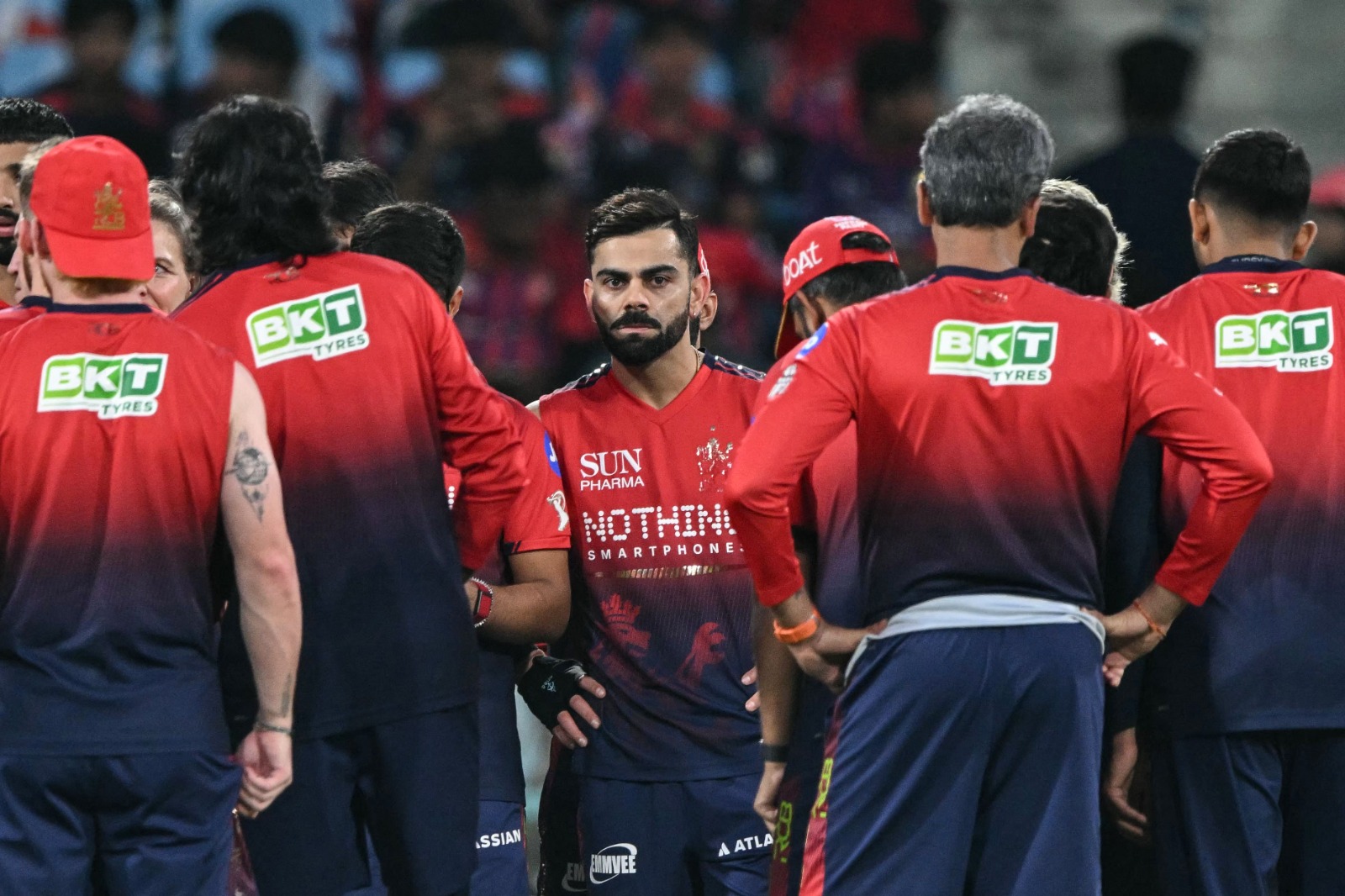
The reason for this shift is disarmingly simple: convenience. A single television set shared among a household forces trade-offs. A JioHotstar subscription, which has been free for IPL for two consecutive seasons, allows every family member to watch on their own device, from anywhere. The IPL has gained portability but, in doing so, it has surrendered the shared, appointment-viewing energy that once defined match evenings.
But there is a catch the league cannot afford to ignore. The economics of IPL's broadcasting empire were built on the back of TV and that pillar is crumbling faster than the digital one can bear the weight although digital viewership, while growing in reach, generates substantially lower advertising revenue per viewer than premium linear television.
The collapse in brand participation is perhaps the most alarming signal of all. The 2025 season drew over 65 advertisers to linear television. In 2026, that number had fallen to roughly 45, a decline of 31%. More telling than the headline figure is the churn beneath it: 44 brands have exited the IPL's TV advertising ecosystem this year, while only 24 new names have entered to replace them.
The departures read like a who's who of corporate India. Parle, last year's top advertiser by FCT share, is gone. So are Coca-Cola, Maruti Suzuki, Tata Motors, Tata Digital, RBI, and Emirates.
Their absence has left a vacuum that smaller and niche categories are scrambling to fill. Mouth freshener brands now account for more than 14% of total advertising volume on TV; a category that would have been unthinkable in a top-spender slot just two seasons ago.
The single largest driver of this exodus is the 2025 ban on real-money gaming and fantasy sports platforms. Companies like Dream11 and Playgames24x7 together accounted for more than 6% of total FCT share in 2025.
The Online Gaming Act effectively silenced this category overnight. These platforms had been among IPL's most aggressive advertisers precisely because the fantasy gaming ecosystem and the IPL viewership ecosystem were deeply intertwined, millions of fans watched not just as spectators but as active participants in real-money contests that kept them glued to every ball. That hook is now illegal.
In their place, Google has emerged as the season's dominant advertiser with a 13.6% share of ad volumes. New entrants include Havells, Cadbury, Flipkart, L'Oreal, and Sun Pharma, but none possess the appetite or the cricket-specific spending instinct of the fantasy gaming giants they replaced.
Beyond reach and ratings lies a more granular and troubling metric: the Average Minute Audience (AMA). While overall reach; the number of people who tuned in at any point, has fallen by 8.3%, the AMA has collapsed by 26%. 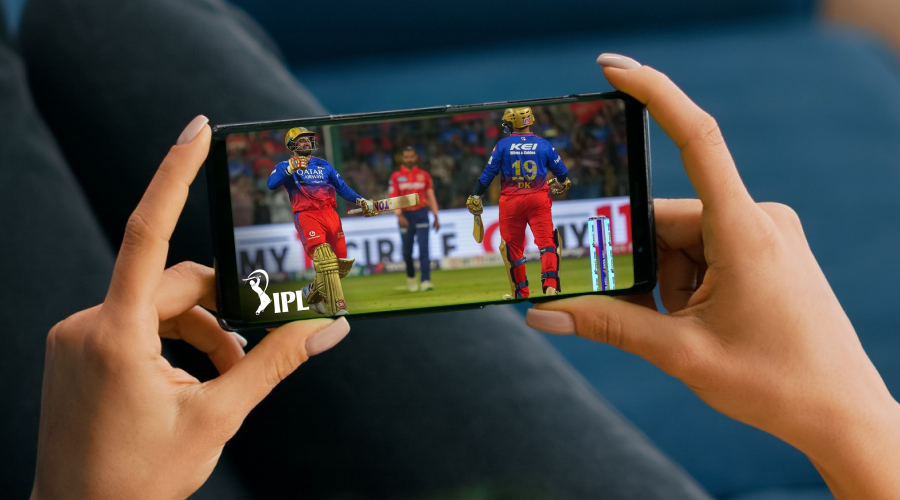
This gap reveals something qualitative that raw numbers cannot: the viewers who do turn on the IPL are increasingly leaving before the match ends.
The IPL is no longer appointment television. It has become background television — something people check in on, not something they commit to. Male TVR has slipped from 5.06 to 4.13; female TVR from 4.06 to 3.28. The disengagement is cross-demographic.
The reasons are structural. A tournament that began with eight teams and 44 tightly-scheduled matches now runs 74 matches across 10 franchises. The sheer volume of cricket has diluted the scarcity that once made every IPL match feel unmissable.
When Mumbai Indians versus Chennai Super Kings happens three times in a season, the psychological stakes of each encounter diminish. The “festival atmosphere” that early IPL seasons cultivated has been blunted by repetition and overexposure.
Analysis by YouGov Sport following the 2025 mid-season suspension found that the leanest five-match phase of 2025 was 12% lower than the corresponding phase in 2024, and 26% below the season's own running average to that point. Once broken, the habit of watching is hard to rebuild.
An underappreciated dimension of IPL's viewership story is how much of it was propped up by the fantasy gaming industry.
Cricket journalist Boria Majumdar posed the uncomfortable question directly: was a significant portion of IPL fandom “genuine”, or was it partly driven by the incentive structure of real-money gaming, where watching carefully meant winning money?
If millions of viewers were essentially using IPL matches as live data feeds for their fantasy teams, the ban on real-money gaming hasn't just removed an advertising category. It has removed an entire motivation for close, sustained viewership.
The man who once watched every ball of a low-stakes RCB v PBKS fixture because his Dream11 team depended on it now has no financial reason to stay until the 18th over.
Ticket demand tells its own story. At Eden Gardens in Kolkata, traditionally one of the most raucous IPL venues, reports indicate that interest in KKR matches this season has been markedly lower than in previous years, with the India-West Indies ICC fixture drawing more enthusiasm than local IPL games.
The broader financial context amplifies these concerns. The IPL's enterprise value, which peaked at INR92,500 crore in 2023, has declined in back-to-back years to INR76,100 crore in 2025, marking the first consecutive valuation drop in the league's history, according to D&P Advisory.
Television ad rates have held firm at INR18 lakh per 10 seconds for combined SD+HD feeds — suggesting that the premium pricing has not yet adjusted to the softer demand reality.
When pricing and demand diverge for too long, correction becomes inevitable.
The next media rights cycle, due for negotiation after 2027, will be shaped by these numbers.
The Board of Control for Cricket in India (BCCI) and JioStar will need to demonstrate that aggregated cross-platform viewership translates into equivalent commercial value, a case that has not yet been convincingly made to the market.
"The IPL is entering a more mature phase. The property continues to deliver scale, but the nature of participation is shifting from broad-based advertiser presence to more concentrated, performance-led spending,” Exchange4media cited.
None of this means the IPL is in terminal decline. At INR76,000 crore, it remains the second most valuable per-match media rights property in the world, behind only the NFL.
JioHotstar's digital numbers, if they continue their trajectory, could theoretically compensate for linear losses over the medium term.
But the data demands an honest reckoning. The IPL grew for 15 years by expanding: more teams, more matches, more advertisers, more platforms. That expansion has now run into a deadlock. Whether that is evolution or erosion depends entirely on what the BCCI and its broadcast partners choose to do next.