



 For all latest news, follow the Daily Sun's Google News channel.


Rapid urbanisation, population growth and an expanding middle class are creating new opportunities for the country’s housing sector. According to the Bangladesh Bureau of Statistics (BBS), the country’s population stood at around 179.3 million in 2026 and is growing at about 1.22 per cent a year, adding nearly two million people annually; BBS projects the population could reach 200 million by 2036. The share of people living in urban areas has risen sharply, from roughly 23 per cent in 2000 to about 43 per cent in 2026 (World Bank/UN data), underlining how fast urbanisation is reshaping housing demand.
However, skyrocketing land prices, rising construction costs, expensive loans and limited purchasing power remain major challenges in boosting the sector’s economic growth. Affordable housing, modern technology, environmentally friendly construction and planned urbanisation could turn the sector into a key driver of economic growth, employment generation and improved living standards.
The housing sector is closely linked to the country’s economic development and urbanisation, and safe housing is one of the basic necessities of life. The concept of housing has evolved. People now expect not only a roof over their heads but also safe, healthy and environmentally friendly homes equipped with essential civic amenities. Against this backdrop, Bangladesh’s housing sector offers significant opportunities for new investment, technological advancement and planned development.
Migration from rural areas to cities, the creation of new jobs and the concentration of educational and healthcare facilities in urban centres are increasing demand for housing. Major cities and industrial areas, particularly Dhaka, Chattogram, Gazipur and Narayanganj, are witnessing growing demand for residential buildings, apartments, rental accommodation and planned housing estates.
Dhaka alone is now ranked the world’s second-largest city, with an estimated population of about 36.6 million, according to the United Nations’ World Urbanization Prospects report. Industry estimates suggest that a large majority of city dwellers, around 68 to 70 per cent, live in rented accommodation rather than owned homes, underscoring the scale of unmet homeownership demand in the capital. However, the housing market’s potential is not confined to high-income groups. There is a substantial unmet demand for affordable homes among middle-income and lower-middle-income families, young professionals and newly formed households.
Developing smaller apartments, offering long-term instalment facilities and expanding rental housing projects to meet the purchasing power and needs of these groups could significantly broaden the market. Meanwhile, the expansion of employment opportunities, industries, educational institutions and healthcare services in district towns and upazila-level centres is opening up new avenues for housing development. Promoting planned housing in regional cities could help reduce pressure on the capital and make better use of potential in the sector.
Investment And Employment Opportunities
The Real Estate and Housing Association of Bangladesh (REHAB), the sector’s apex trade body, was formed in 1991 with just 11 founding developers and today represents more than 930 registered real estate companies, reflecting how far theformal housing industry has expanded. The importance of the housing sector extends far beyond the construction of houses and apartments. It is closely connected with numerous industries and services, including cement, steel, bricks, tiles, sanitary products, electrical equipment, furniture, transportation, architecture, engineering and financial services.
Consequently, increased investment in housing can generate positive spillover effects across related industries and service sectors, contributing to broader economic activity.
Industry figures cited by REHAB put annual investment in the housing sector at around Tk 1.5 trillion since 2010-2012, spanning land purchases, residential construction and commercial space. Statista Market Insights valued Bangladesh’s overall real estate market at about US$2.68 trillion at the end of 2024, of which residential real estate accounted for roughly $2.5 trillion, with the market projected to grow at a compound annual rate of 7.13 per cent to reach $3.53 trillion by 2028. BBS provisional GDP data for FY24 showed the real estate sector growing by 3.79 per cent, its fastest pace in four years, while REHAB estimates that the sector and its approximately 300 backward and forward-linked industries together contribute close to 12 to 15 per cent of national GDP.
The sector also creates employment opportunities for both skilled and unskilled workers. Construction workers, engineers, architects, designers, project managers, property managers and professionals in various technical fields depend on the growth of housing and construction activities. Improving workers’ skills, providing vocational training and ensuring workplace safety could increase productivity while improving the quality of employment in the real estate sector. In addition to domestic investment, the housing sector could play an important role in attracting investment from non-resident Bangladeshis. To strengthen investor confidence, however, transparency is essential in project approvals, land ownership, construction standards, pricing and handover schedules.
Biggest Opportunity: Affordable Housing
One of the biggest challenges facing Bangladesh’s housing sector is the widening gap between property prices and the purchasing power of ordinary people. Rising land prices, construction material costs, land development expenses, approval-related charges and financing costs push up apartment prices, making homeownership increasingly difficult for many families.
Studies citing REHAB and the National Housing Authority (NHA) put the country’s overall housing demand-supply gap at roughly 600,000 to 800,000 units per year. At the same time, formal private developers supply only a small fraction of this figure. Separately, research conducted in 2023 by the International Finance Corporation (IFC) estimates unmet demand for affordable housing among lower- and middle-income households at about 6 million units, projected to rise to 10.5 million by 2030, requiring an estimated 249,000 new affordable homes annually to keep pace with demand.
Under these circumstances, affordable housing needs to be a priority. Planned housing projects, apartments suitable for low- and middle-income households, long-term home loans and rental housing schemes could be expanded through public-private partnerships. The government could support land development and infrastructure provision, while private companies could invest in construction and project management.
The location of housing projects also deserves careful consideration. Access to workplaces, public transport, educational institutions, hospitals and other civic amenities should be considered when selecting sites. If affordable housing is developed far from cities without adequate transport links, higher commuting costs can undermine its intended benefits.
Technology and Environmentally Friendly Construction
Modern technology could unlock new opportunities in Bangladesh’s housing sector. Digital tools used in building design, construction management, material selection and project monitoring can help control costs, reduce delays and improve efficiency. The use of prefabricated components, advanced construction methods and standardised materials could accelerate construction, improving the quality of buildings. At the same time, climate change is increasing the importance of environmentally friendly housing. Bangladesh faces multiple climate-related challenges, including floods, waterlogging, heavy rainfall, heatwaves and salinity in coastal areas.
Building designs should therefore prioritise natural lighting and ventilation, rainwater harvesting, energy-efficient systems, effective waste management and measures to reduce waterlogging. Protecting the broader environment of residential areas is equally important. Preserving playgrounds, open spaces, water bodies, green areas and pedestrian-friendly pathways can improve urban residents’ quality of life. Rather than allowing unplanned construction, housing development should integrate environmental protection with essential civic amenities to ensure long-term sustainability.
Policy Support and Good Governance
Realising the potential of the housing sector requires policy stability, transparency and effective oversight. Accountability is essential in every stage of the process, including verification of land ownership, registration, approval of building designs, compliance with construction regulations and protection of buyers’ investments.
Approval procedures should be simplified and made more time-efficient without compromising safety or environmental standards. Structural safety, fire protection, earthquake resilience and adequate emergency exits must be treated as fundamental requirements for housing development. At the same time, access to financing for genuine homebuyers needs to be expanded through affordable, long-term mortgage facilities. While increasing credit flows to the housing sector is important, lenders must also consider borrowers’ repayment capacity, financial risks and overall market stability.
Home loan rates currently offered by commercial banks and non-bank financial institutions typically range from 9 to 14.5 per cent, compared with Bangladesh Bank’s policy (repo) rate of around 10 per cent. In comparison, the state-owned Bangladesh House Building Finance Corporation (BHBFC) continues to offer relatively lower rates of about 8 to 9 per cent to eligible borrowers. To widen access to low-cost housing finance, Bangladesh Bank has also been expanding refinance schemes, including green-finance and CMSME-linked facilities worth tens of billions of takas, such as a package of about Tk 190 billion announced across four schemes in June 2026, that allow participating banks and financial institutions to lend to eligible borrowers and small developers at subsidised rates as low as 5 to 9 per cent.
A transparent regulatory framework and effective enforcement can help protect buyers, discourage irregularities and build confidence among investors and homebuyers alike.

Planned Urbanisation Is the Way Forward
The long-term success of Bangladesh’s housing sector will depend largely on planned urbanisation. Constructing residential buildings alone cannot make a city liveable. Housing development must be supported by integrated planning for roads, public transport, water supply, sewerage, electricity, healthcare, education, waste management and employment opportunities.
To ease pressure on Dhaka and other major cities, the government could promote alternative urban centres, ensure quality housing near industrial zones and improve civic amenities in district towns. Such measures would expand housing options, reduce commuting pressures and strengthen regional economies by bringing residential areas closer to employment centres and essential services. The housing sector in the country offers enormous opportunities, but its challenges are equally diverse. Viewing housing merely as a business involving land and apartments would overlook its wider economic and social significance.
Affordable housing, investment, employment generation, technological innovation, environmental protection and planned urbanisation must be addressed within a coordinated framework. Concerted efforts of the government, private developers, financial institutions, urban planners and other professionals could make the sector more dynamic and sustainable. Long-term planning, transparent policies, protection of buyers’ rights and consistent enforcement of construction standards are needed to this end.
If these measures are implemented effectively, the housing sector will not only help meet the country’s growing demand for homes but also make a significant contribution to sustainable economic growth and improved living standards.
________________________________
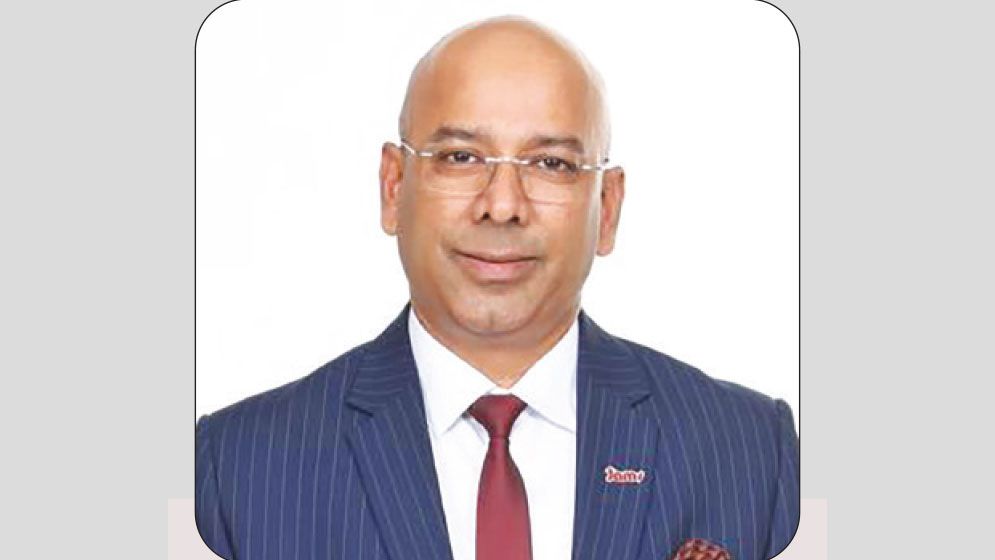
The writer is Managing Director
of JAMS Group