


 For all latest news, follow the Daily Sun's Google News channel.


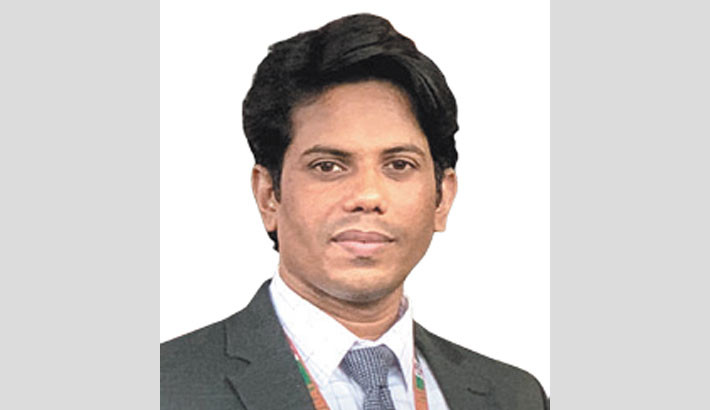
Md Kawsar Uddin
Every day in my classroom, I meet bright, energetic young students who are curious, talented, and full of dreams. But almost every conversation I have with them outside the syllabus leads to the same conclusion. They want to leave the country. Not just for education or exposure, but with the clear intention of settling abroad. When I ask them why, their replies are heartbreakingly similar. They say, “There is no future here.”
According to the 2023 population census, one-fourth of the total population in Bangladesh falls into the age group of 15 to 29. That is approximately 4 crore 74 lakh young people. A massive resource pool for a country striving for development. Yet instead of nurturing this talent and empowering them to build the nation, we are slowly watching them leave year after year.
UNESCO’s data paints a very worrying picture. In 2021, 44,338 Bangladeshi students went abroad for higher education. The number increased to 49,151 in 2022. Then in 2023, it jumped again to 52,799. And in 2024, it rose further to 58,000. While not all of them settle permanently, it is clear that the majority do not return. Although we do not have official data on how many stay back every year, it is widely assumed that the top five percent of our brightest students leave the country and settle abroad.
Many of these students go abroad because of the significant gap between the quality of education in Bangladesh and international standards. Those who want to pursue higher education at a global level have to work very hard. They spend a huge amount of their family’s hard-earned money to study in countries like the United States, Canada, the United Kingdom, Australia, Japan, China, Singapore, Malaysia, or in various European nations. Once there, they often face tremendous challenges. They work part-time jobs, deal with cultural adjustments, and endure tough living conditions to earn their degrees.
However, after going through all of that, the reality is most of them never come back. A few return voluntarily, some return because they cannot secure residency, but the most talented ones usually manage to stay. And when they stay, they contribute to the growth of foreign countries instead of their homeland.
Recently, we have seen a few rays of hope. Some brilliant and successful Bangladeshi minds, such as Ashik Chowdhury, have returned home in response to the call of Professor Dr. Muhammad Yunus. Their return is deeply inspiring. But just a handful of people coming back is not enough. If we are serious about reversing this trend, we must act now. We must build educational and professional environments in Bangladesh that can retain and even attract talent. We need to make sure that even if our students go abroad for higher studies, they come back to serve their own country.
This cannot be achieved through force or guilt. We must attract them back by creating systems that are fair, dignified, and rewarding. That means improving education quality, ensuring transparent recruitment, providing job security, and upholding workers’ rights. Right now, the situation is bleak. In the public sector, recruitment processes are often marred by corruption, nepotism, and lack of transparency. In the private sector, workers face low pay, long hours, and no assurance of job stability.
Our youth are not naive. They observe everything. They know what is going on. They see how talent is often ignored and connections are valued more than merit. And so they dream of a life where their efforts will be rewarded, where their dignity will be preserved. That life, for them, lies outside Bangladesh.
As someone who teaches at a private university and engages with students daily, I hear their frustrations firsthand. Ask any group of students about their future plans. Almost all will say they want to go abroad. And when asked why, they say there is no system here. No future. No hope.
This kind of thinking is not just a personal loss. It is a national crisis. If we continue to lose our most capable young people, what will remain? A country cannot progress without minds to lead it. We are already seeing the impact. Many industries in Bangladesh are struggling to find qualified professionals. As a result, they are forced to hire foreign workers for jobs that our own people could have done.
It is ironic that while our talented youth are looking for ways to settle abroad, our companies are hiring foreign nationals to fill gaps here. This is a dangerous cycle. One that will continue unless we change course.
We must understand that building a nation means investing in its people. If we want to stop the brain drain, we must offer our youth the kind of opportunities that make them believe in their own country. They must feel valued, respected, and safe.
Let’s make our universities competitive, our job market fair, and our public institutions transparent. Let’s raise the quality of life so that our youth don’t feel like they need to escape to survive. Let’s inspire them to dream here.
It is possible. We have the talent. We have the youth. What we lack is vision and will.
As a teacher, I want to stop saying goodbye to my brightest students forever. I want to see them thrive here, build here, and lead here. I want them to feel proud of being part of this nation. But until we fix what is broken, we cannot expect them to stay.
This is not just their fight. This is ours too. If we want a future for Bangladesh that is prosperous, fair, and progressive, we must fight to keep our youth here. We must give them reasons to believe, to hope, and to stay.
Let us not wait for another generation to disappear.
_________________________________
The writer is an Associate Professor, Department of English and Modern Languages, IUBAT. He can be reached at [email protected]