


 For all latest news, follow the Daily Sun's Google News channel.


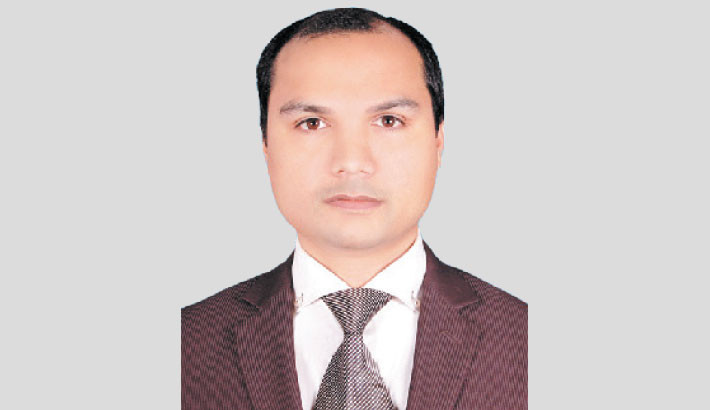
ATM Ridwanul Haque
Microfinance has long been recognised as a vital tool for combating poverty and empowering low-income populations, particularly in developing countries. By extending small loans to individuals who are often excluded from formal financial systems, microfinance institutions (MFIs) have enabled millions of people, especially women, to start businesses, invest in education, and improve their living standards. However, as the microfinance sector has grown and matured, serious concerns have emerged regarding its sustainability, ethical practices and long-term impact on borrowers. Many conventional microfinance models have shifted focus from poverty alleviation to profit generation, often burdening clients with high interest rates and inflexible repayment terms. In response to these shortcomings, a new concept known as Soft Microfinance has emerged, offering a more holistic, ethical and sustainable approach to financial inclusion.
Single Digit Variable Service Fees
One of the most distinguishing features of Soft Microfinance is its cost structure. Traditional MFIs often charge double-digit interest rates to cover operational costs and generate profits. These high interest rates can quickly overwhelm borrowers, leading to chronic indebtedness and, in some cases, financial ruin. In contrast, Soft Microfinance introduces a variable service fee model with a ceiling of maximum eight per cent (8%).
The fee is not a fixed interest rate but a variable fee calculated based on the MFIs actual annual operating costs, which are assessed through annual audits. If the service fees collected from borrowers exceed the audited operating expenses, the surplus must be returned to the clients or, with their consent, transferred to the institution’s charity fund to support future lending or social services. This level of financial transparency ensures that borrowers are not exploited and that lending institutions remain accountable to the communities they serve. Moreover, in certain cases, such as extreme poverty or social vulnerability, the service fee can be waived entirely, offering zero-interest financing. This flexibility ensures that Soft Microfinance remains accessible to those who need it most, regardless of their ability to pay.
Beyond Finance
Soft Microfinance redefines the role of microfinance institutions, positioning them not merely as lenders but as true development partners. Institutions adopting this model are expected to offer a wide range of complementary services that support borrowers and their families beyond financial capital. These services may include access to basic healthcare, either through partnerships with local clinics or via own medical units, support for children’s education through school supplies, tuition subsidies, and the provision of productive assets such as livestock, seeds, farming tools, or equipment for small businesses. Additionally, clients may receive vocational training and business development support to help them build sustainable livelihoods. This integrated model significantly reduces the risk of business failure, boosts borrower productivity, and strengthens the overall social and economic impact of the programme.
Responsible Financing
Ethical conduct is a non-negotiable pillar of the Soft Microfinance model, ensuring that lending practices are transparent, fair, and aligned with the best interests of borrowers. This includes a strict commitment to avoiding hidden charges or excessive fees, prohibiting the compulsory purchase of insurance, training, or other services as a condition for receiving a loan.
Social Guarantees
One of the primary barriers to financial access in many regions is the requirement for collateral or formal documentation. Many poor individuals lack land titles, employment records or credit histories. Soft Microfinance overcomes these challenges by relying on social trust as guarantees instead of physical collateral. Furthermore, repayment schedules are adjusted to suit the borrower’s income flow. For example, agricultural workers may be allowed seasonal repayment options, while small traders may repay in small weekly instalments.
Serving the Excluded
A significant contribution of Soft Microfinance is its intentional outreach to those who are excluded even from traditional microfinance. These may include people with disabilities, members of minority communities, single mothers, informal workers, or those living in remote regions. The model is built on the principle that access to finance is a right, not a privilege. By offering customised loan products, waiver of service fees, and mobile outreach services, Soft Microfinance can reach the most underserved populations.
A Vision for the Future
While Soft Microfinance is built on five guiding principles, its core pillars are: single-digit variable service fees, beyond finance, and responsible financing. These three form the essence of the model. If any one of them is missing or inadequately implemented, the approach cannot be considered as true Soft Microfinance, it becomes only a partial version of it.
Soft Microfinance is more than a financial model. It is a movement toward economic justice. It encourages a rethinking of how microfinance should be practiced: not as a business opportunity, but as a social mission. By prioritising ethics, inclusivity and client well-being, Soft Microfinance has the potential to trigger real and lasting change in the fight against poverty. As the world struggles with rising inequality and financial exclusion, models like Soft Microfinance offer hope. They remind us that finance can be a force for good - when it is guided by compassion, integrity and a commitment to shared prosperity.
___________________________________
The writer is a development professional .
Email: [email protected]