


 For all latest news, follow the Daily Sun's Google News channel.


Why Every Citizen Should Know Their Basic Legal Rights
MD. Noor Hamza Peash, LL.B. Student, Department of Law, World University of Bangladesh
Published: 23 Mar 2025, 12:31 AM

Knowing the legal rights of citizens is essential for ensuring justice, protecting personal liberties, and upholding social order. It encourages citizens to defend themselves against injustice, discrimination, and unlawful actions by governments or other parties. Knowledge of legal and other rights promotes responsibility, so when offended, people can seek redress in a court of law. Understanding legal rights also helps in preventing exploitation and it ensures equitable treatment in contracts, the workplace, and day-to-day interactions. Legal knowledge safeguards the fundamental liberties of society, promotes democracy, and preserves human dignity.
Fundamental rights enshrined in the country's constitution have been formulated to protect the citizens’ freedoms and ensure equality, justice, and dignity. Some of the typical fundamental rights include the right to life and personal liberty that protects people from arbitrary action. The right to equality prevents discrimination based on race, gender, or religion. The right to freedom guarantees freedom of speech, expression, and assembly. The right to religion ensures freedom of religion. The right to constitutional remedies enables judicial action against violations of rights. These have been formulated to maintain democracy, disallow excesses by the state, and enable citizens to live in freedom and dignity.
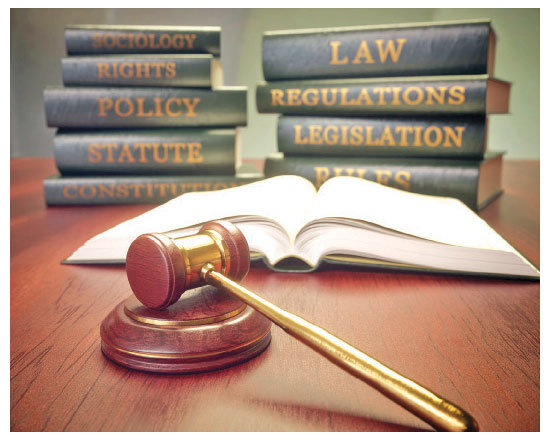
The principle ‘Ignorance of the law is no excuse’ means that a person cannot be excused from legal proceedings because of his/her unawareness of the law. This provides accountability and prevents the circumstance in which one avoids penalties by claiming ignorance. The rationale is that laws are promulgated, and citizens are expected to know. This maxim ensures legal certainty and stability, which ensures that justice is dispensed equally regardless of one's knowledge or intention of the law.
People can effectively confront injustices, seek remedies, and claim their rights when they have a solid knowledge about the law. For ensuring justice, individuals must have access to legal resources, fair representation, and an impartial judiciary. Also, legal aid, public education, and expedited judicial procedures all contribute to greater accessibility. Equal implementation of the law is also necessary for everyone to benefit equally from legal knowledge.
Police harassment can be prevented through proper knowledge of the legal rights of a citizen. When interacting with police, stay calm, be respectful, and inquire further. People have the right to know the reason for detention. Avoid self-incrimination and ask for legal representation if you are being held. Understanding these rights ensures law enforcement follows proper protocols, preventing abuse of power and protecting your legal protection.
Employment laws protects workers’ rights, offering fair treatment in issues like harassment, leave, wages, and benefits. Anti-harassment legislation in the workplace prohibits discrimination, bullying, and unwanted conduct. Understanding these rights gives power to workers to report abuses and seek redress.
Women's rights are secured by laws to ensure gender equality, protection against domestic violence, and sexual harassment. Rights for children are ensured by laws that protect them from abuse, and provide access to education and healthcare. Marital and family rights ensure rights related to marriage, divorce, custody of a child, and ownership of properties. Such laws advocate for fair treatment of individuals in marriages and families, protecting and assisting them during disputes as well as instilling stability in society by ensuring that all members of the family enjoy their rights.
Consumer rights allow citizens to obtain a remedy for fraud, substandard goods, or services. Consumer rights are intended to guarantee fair treatment in the marketplace. There are digital and cyber protection law which is unavoidable in the present era because these laws safeguard people from online frauds and harassment.
Land and property law addresses rights and ownership of property and land, and accompanying rules to prevent clashes and rightful claims. Property laws are necessary to safeguard assets and keep legal problems at bay.
Every citizen should know their basic legal rights to protect themselves from any unfair or illegal treatment. In cases of violations of human rights, individuals can seek remedies through legal proceedings, human rights commissions, or international organisations. In fact, every citizen has the right to get information as per their requirements. Right to free information is protected under the Right to Information (RTI) Act, which ensures government documents are made available for ensuring accountability and informed decision-making. For ensuring a free and fair trial, individuals can access legal aid under government schemes and private legal aid institutions, ensuring equal access to justice regardless of financial conditions. Awareness of these rights enables individuals to defend themselves and uphold democratic principles.
Basic legal knowledge empowers citizens, and helps them deal with legal issues effectively. Most importantly, informed citizens can raise voice against any kind of injustice, protect themselves and others against fraud, and contribute to building a law-abiding society.