



 For all latest news, follow the Daily Sun's Google News channel.


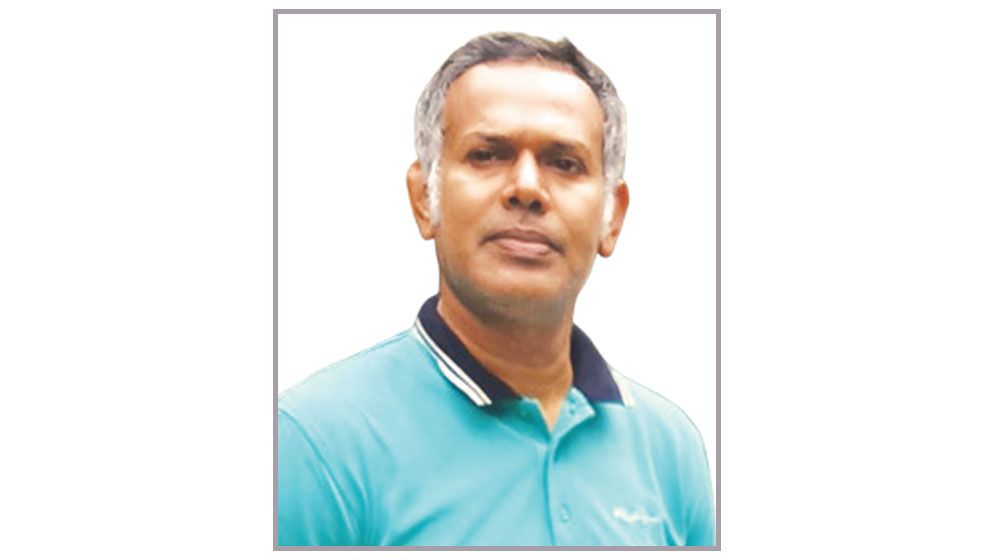
Last week, I had the pleasure of reuniting with one of my former students, Ibnul Karim Rupen. After roughly twelve years, we met at his office in Mirpur DOHS, where he now runs a mental health counselling centre. Stepping into the centre, I was immediately struck by its green, neat and simple layout, which radiates a soothing sense of tranquillity. I truly appreciated his courage and vision. After serving twelve years in a demanding corporate managerial role, Rupen chose to walk away from conventional success to address a pressing crisis affecting Bangladesh and the world alike. Now, we need to break the silence and discuss mental health issues openly. If Bangladesh is to protect its young learners from a deepening psychological crisis, we must dismantle the social stigma surrounding mental health and establish mandatory, professionally staffed counselling centres across every school, madrasah, college and university.
According to Rupen, the number of students struggling with psychological distress is rising rapidly, alongside working professionals experiencing severe workplace anxiety. What troubled me most was the lack of institutional response across the country. Parents, teachers, institutional authorities and students do not feel comfortable discussing mental well-being openly, leaving an entire generation to navigate emotional turmoil without institutional, social or cultural support.
Recent survey reports published in national dailies underscore how urgent this silent emergency has become, highlighting that at least one in every five Bangladeshi students is now grappling with significant mental health problems. Furthermore, recent studies conducted by organisations like the Aachol Foundation and Jagannath University researchers highlight alarming rates of campus depression, anxiety and student suicides. Despite these disturbing numbers, our schools, colleges, madrasahs and universities remain largely unequipped to respond to the crisis.
Since educational institutions rarely house dedicated mental health centres, psychological distress usually goes unrecognised in classrooms and residential halls. At home, the situation is no better. Most parents and guardians remain unaware of early warning signs or simply dismiss emotional struggles as temporary mood swings or a lack of discipline. When we catch a fever or suffer physical pain, we promptly consult a physician and follow a prescription strictly. Yet when a young mind fractures under relentless academic pressure, unrealistic family expectations or social isolation, we tend to ignore it. This collective ignorance has normalised suffering and prevented open public conversation.
To reverse this trajectory, every educational institution in Bangladesh, from schools and madrasahs to colleges and universities, must establish a dedicated mental health centre staffed by a qualified, full-time clinical psychologist available during regular office hours. School students, in particular, require urgent access to professional guidance as they navigate academic and social pressures. Currently, only a handful of institutions in Dhaka, mostly elite English-medium schools and a few private universities, offer any form of counselling. Even where such centres exist, it remains questionable whether they are genuinely managed by certified clinical practitioners rather than untrained administrative advisors.
During my conversation with Rupen, I learned that professionals from various sectors regularly visit his centre for psychotherapy, proving that distress spans every age group. However, entrenched social taboos force most people, especially youth, to hide their anxiety out of fear of being labelled weak or unstable. State policy has also failed to connect economic reality with psychological well-being. According to the Bangladesh Bureau of Statistics, nearly nine lakh university graduates in Bangladesh are currently unemployed. Have we paused to consider the crushing psychological toll of prolonged joblessness on these educated youths? Does our government address their mental health seriously when virtually no public schools, madrasahs, National University colleges or other public universities offer structured life coaching or psychological counselling?
Addressing this crisis requires pragmatic, context-sensitive reforms rather than token awareness campaigns. First, the Ministry of Education and the University Grants Commission must mandate the establishment of 'mental health and career counselling' units across all public and private institutions, starting with regional hubs that can serve clusters of schools and madrasahs where hiring individual specialists is initially too costly. Second, universities should integrate mental health first-aid and stress-management workshops into first-year orientation programmes, equipping students with structured career readiness, social skills and emotional intelligence to ease the anxiety of graduate unemployment. Third, teacher training colleges and school administrations must prepare educators and parents, through regular guardian-teacher dialogues, to recognise early signs of depression and replace punitive academic pressure with empathetic mentorship. Finally, the government should partner with certified private centres, community clinics and digital helplines to subsidise affordable therapy and expand outreach beyond Dhaka.
Watching one of my former students dedicate his career to healing troubled young minds reminded me that compassionate leadership can spark meaningful change. However, individual initiatives cannot shoulder a national burden alone. Until our homes, classrooms and policymakers treat psychological well-being with the same urgency as physical health, we will continue to fail our learners. It is time we broke our collective silence and built an education system that nurtures resilient minds alongside academic degrees. Together, educators, families, NGOs and state institutions must act decisively today to safeguard the emotional future of Bangladesh’s young learners.
_____________________________________
The writer is an Associate Professor of English at Stamford University Bangladesh. He could be contacted at [email protected]