


 For all latest news, follow the Daily Sun's Google News channel.


Six bills likely to be placed in upcoming JS session
Key bills on cybersecurity, solar power, public procurement in focus

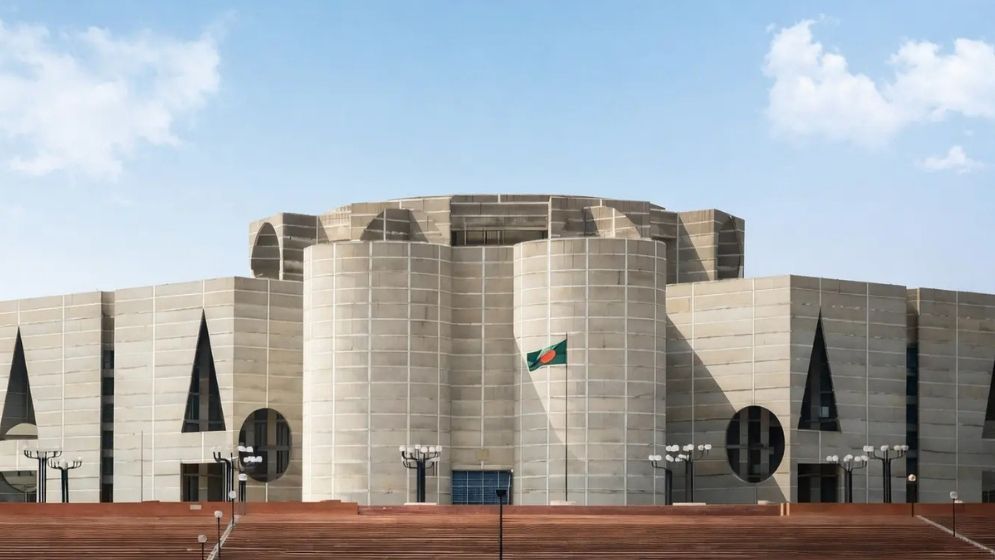
File Photo: Courtesy
The fourth session of the 13th Jatiya Sangsad (JS) is going to begin on Monday (9 November). Five to six bills are expected to be placed during the session, said Chief Whip Nurul Islam Moni.
At least two draft bills-- the Special Solar Power Installation Bill, 2026 and the Public Procurement (Second Amendment) Bill, 2026-- have already received approval. The Cabinet on 2 November approved the final drafts of the two bills.
Several other bills under review by the government and parliamentary committees may also be placed for passage or amendment. The Cyber Security (Amendment) Act, 2026 may be placed in the session for another amendment, while some bills for administrative and institutional reforms are likely to be placed in the session.
The Special Solar Power Installation Bill and the Public Procurement (Second Amendment) Bill will be placed in the session to convert existing ordinances into Acts through parliamentary approval.
The government on 20 October issued the Special Solar Power Installation Ordinance, allowing the establishment of solar power projects with a maximum capacity of five megawatts to accelerate the expansion of solar energy systems.
On the other hand, the Public Procurement (Amendment) Ordinance was issued on 21 September to introduce major reforms in the procurement framework to ensure transparency, accountability and open competition in public procurement.
Under Article 93 of the Constitution, an ordinance must be placed before Parliament at its first meeting following the promulgation.
Another significant area of legislative attention in the upcoming session is cybersecurity. A further amendment to the Cyber Security (Amendment) Act, 2026 is among the issues being discussed, with the government reviewing provisions relating to cybercrime, digital rights and the protection of freedom of expression.
A Cabinet committee formed to review cybersecurity law has discussed recommendations from journalists, media representatives and other stakeholders. The proposals include safeguards against arbitrary arrests and restrictions on media content, clearer legal definitions and stronger protection for journalists and media organisations.
However, the final form and timing of any further cybersecurity bill will depend on the government’s review and decision on placing the proposed legislation before Parliament.
Bills regarding administrative and institutional reforms are also expected to be considered during the fourth session. These may address changes to administrative arrangements, institutional responsibilities and governance structures. However, the specific titles and provisions of the proposed legislation have yet to be officially disclosed.
Apart from these bills, several routine government bills that are currently under review by the government and parliamentary standing committees may also be brought forward for passage or amendment.
Chief Whip Nurul Islam Moni said the fourth session of the current Parliament may continue until 20 November. However, its duration would be finalised by the Business Advisory Committee at its meeting which will take place on 8 November.
The President has convened the fourth session of Parliament under the authority vested in him by Article 72(1) of the Constitution. The third session of the current Parliament was prorogued on 10 September. Article 72(1) of the Constitution stipulates that, subject to specified exceptions, no more than 60 days may elapse between the end of one session and the first sitting of the next session.
The reporter can be reached at: [email protected]