


 For all latest news, follow the Daily Sun's Google News channel.


Govt eases rules for solar power
New ordinance introduces flexible investment models, relaxes procurement rules and sets penalties for damaging solar equipment
Daily Sun Report, Dhaka
Published: 26 Oct 2026, 12:00 AM
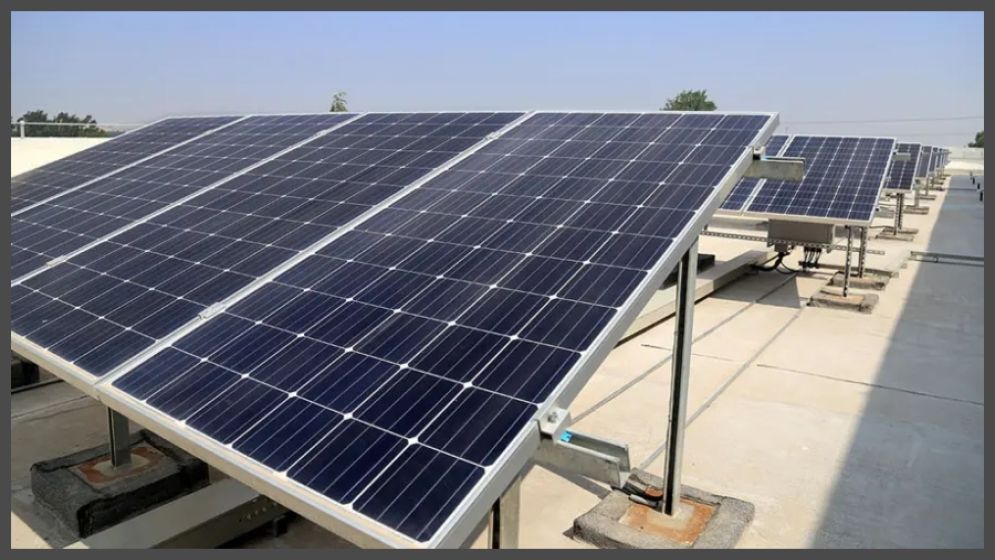
The government has eased rules for solar power installations under a new ordinance that introduces two investment models, simplifies service-provider selection and relaxes procurement requirements for eligible projects.
The Special Solar Power Installation Ordinance, 2026, promulgated by the President on 19 October and gazetted the same day, provides a legal framework for expanding solar systems at public institutions, residential buildings and other eligible locations.
The ordinance covers special solar installations of up to five megawatts, including rooftop solar, solar-powered irrigation pumps, cold storage facilities, electric vehicle charging stations, floating solar and agrivoltaic systems. Large-scale land-based solar projects are excluded.
Eligible institutions can install systems under either an operational expenditure (OPEX) or capital expenditure (CAPEX) model.
Under OPEX, a service provider installs, operates and maintains the system, while the customer receives a share of the electricity generated. Institutions with their own funds or regular income can opt for CAPEX, under which they finance, install and own the system.
The government will simplify the enlistment of service providers and maintain district-based lists from which customers can competitively select providers. Institutions may also use open tendering to appoint organisations outside the enlisted system.
A three-party agreement among the customer, service provider and relevant authority will be mandatory. The government will prescribe a standard contract covering site-use rights, equipment quality, technical and safety standards, electricity allocation, tariffs, payments, long-term performance and dispute resolution.
The contracts must also cover electronic waste, including take-back arrangements requiring manufacturers, suppliers or service providers to manage equipment that becomes unusable or reaches the end of its service life.
Procurement rules relaxed
The ordinance introduces special procurement provisions for solar projects, overriding conflicting provisions of the Public Procurement Act, 2006, the Invest Bangladesh Act, 2026 and the Public Procurement Rules, 2025.For goods and related services procured under CAPEX, the ceiling for limited tendering has been set at Tk5 crore. Electronic government procurement will not be mandatory for covered procurement.
A national policy council will oversee the expansion of special solar systems, while district and upazila committees will monitor projects, help resolve disputes and report progress.
Penalties for violations
The ordinance sets penalties for theft, damage, unauthorised connections and obstruction of solar installation or maintenance work.
Stealing solar electricity or equipment, or knowingly buying, selling or possessing stolen equipment, can result in up to three years’ imprisonment, a fine of Tk50,000, or both.
Damaging solar equipment carries up to five years’ imprisonment, a fine of Tk5 lakh, or both. Unauthorised connections and obstruction can attract up to three years in prison, a fine of Tk5 lakh, or both.
Cases will be tried by first-class or metropolitan magistrates, while mobile courts may hear offences covered by the Mobile Court Act, 2009.
The government may issue rules, orders and guidelines to implement the ordinance.