


 For all latest news, follow the Daily Sun's Google News channel.


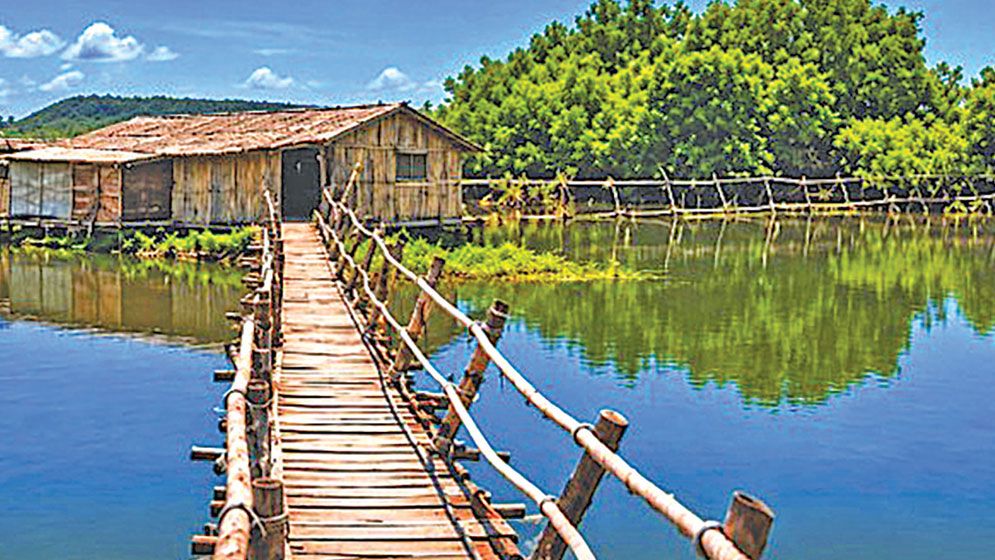
Six years after Cyclone Amphan devastated the coastal areas of Satkhira, residents of Pratapnagar union in Ashashuni upazila continue to struggle with damaged infrastructure and poor connectivity.
Pratapnagar, one of the worst-hit areas during the cyclone, remains vulnerable to river erosion, tidal surges and prolonged waterlogging. Despite the construction of a three-kilometre alternative road, residents, particularly in Kurikahunia, still depend on around 320 bamboo footbridges and other makeshift structures for daily communication.
On 20 May 2020, Cyclone Amphan breached embankments at several points, inundating large areas of the union. The situation worsened when Cyclone Yaas hit the region the following year, damaging roads, bridges and culverts. Several sections of embankments and roads have since disappeared into rivers.
Locals said around four kilometres of an important road remained unrepaired, while another five kilometres had been lost to river erosion following 16 incidents within six months. Some electricity poles along a 700-foot stretch are also at risk. With permanent infrastructure largely absent, residents must cross fragile bamboo bridges or use boats to reach schools, markets and healthcare facilities.
The makeshift crossings frequently collapse, causing accidents and putting children, women and elderly people at risk. Prolonged waterlogging following the cyclones also left several communities without suitable places to offer prayers, prompting locals to build a floating mosque using bamboo, timber and corrugated iron sheets.
Measuring 51 feet long and 12 feet wide, the mosque can accommodate around 50 worshippers. It has facilities for ablution, four water drums and a toilet, while a boat helps worshippers travel to and from the structure. Additional drums were later attached to improve its buoyancy and stability.
In another local initiative, the family of Shafiqul Haque Amini built a floating bridge to ease the movement of people cut off from the mainland. The approximately 350-foot-long structure was constructed with 31 drums, timber and nails at a cost of around Tk2 lakh.
However, residents said such temporary arrangements cannot replace permanent roads and concrete bridges. Poor transport links have disrupted access to education, healthcare and markets, while transporting essential goods and ensuring emergency movement remain difficult.
Pratapnagar Union Parishad Chairman Abu Hena Sakil said residents of Royalpara, Kurikahunia and neighbouring villages still have to cross makeshift bamboo bridges and travel long distances to reach workplaces, markets, schools and madrasas.
“Many people have been injured in accidents after bamboo footbridges collapsed. Floating bridges and temporary structures cannot provide a lasting solution,” Sakil said.
He added that repeated appeals had been made to the relevant authorities, including the Local Government Engineering Department (LGED), but the problems remained largely unresolved.
Local LGRD officials said repair and rehabilitation work on several damaged bridges was under way, while plans were being considered to improve transport facilities in vulnerable areas. Proposed measures include safer crossings, such as steel footbridges, and rehabilitation of existing communication infrastructure.
Ashashuni Upazila LGED Engineer Sushanta Kumar Sarkar said roads, bridges and culverts would be rehabilitated after the Bangladesh Water Development Board complete the necessary procedures.