


 For all latest news, follow the Daily Sun's Google News channel.


Armed groups in Rohingya camps pose serious internal security threat
Says home minister
Daily Sun Report, Dhaka
Published: 07 Sep 2026, 12:00 AM
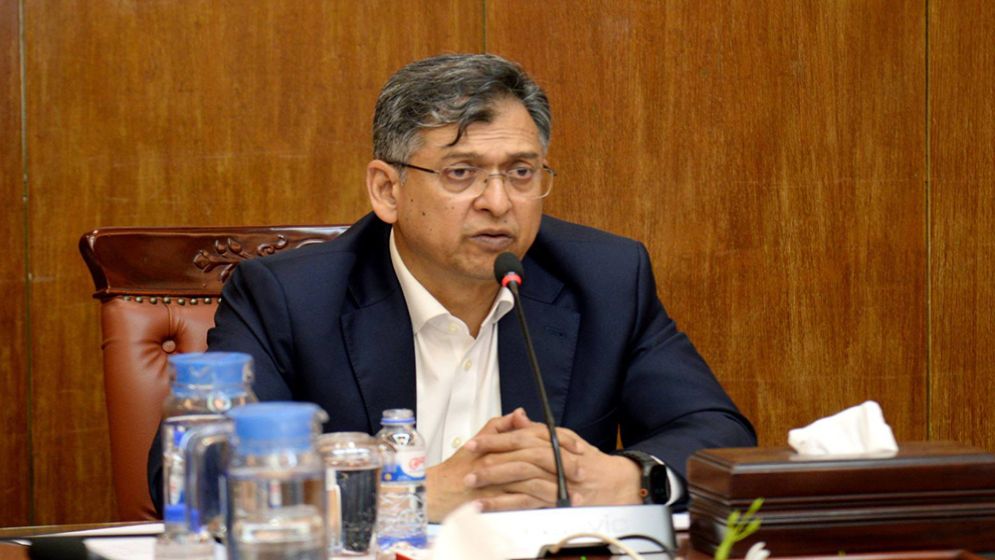
Home Minister Salahuddin Ahmad. File Photo
The Institute for Global Cooperation Foundation organised the roundtable, titled “The Rohingya Crisis: Emerging Challenges and Reframing Response Strategies,” at the BIISS auditorium.
The home minister said the livelihoods of communities living near the camps, along with the environment, have come under serious threat, and that security measures such as fencing around the camps and a regulated movement system have become essential.
Calling for continued international support, Salahuddin Ahmed said the Rohingya issue must remain high on the international agenda, particularly at the United Nations, and urged that the crisis not be overshadowed by other global issues.
He also called on human rights organisations, in Bangladesh and internationally, to help ensure Rohingya refugees can return home swiftly and with dignity.
He said the objective is to ensure the nearly 1.5 million forcibly displaced Myanmar nationals sheltered in Bangladesh can return with full dignity and security, adding that sustained international engagement, national unity and a strong security framework would help Bangladesh achieve this.
He warned that indefinite humanitarian assistance without a credible repatriation plan could diminish the urgency for a political solution, and said Bangladesh must move beyond emergency relief towards a “transitional strategy” for returns to Myanmar’s Rakhine State.
Recalling past repatriations, in 1978 under then President Ziaur Rahman and in 1992 under then prime minister Khaleda Zia, Salahuddin said the present government, under Prime Minister Tarique Rahman, was determined to achieve repatriation again.
Mohammad Ismail Zabiullah, the prime minister’s adviser on public administration, spoke as guest of honour on administrative coordination. The session, moderated by Dr Bulbul Siddiqui of North South University, was addressed by UNHCR’s Ivo Freijsen, BIISS Director General ASM Ridwanur Rahman, and academics and officials including Farah Kabir of ActionAid Bangladesh.