



 For all latest news, follow the Daily Sun's Google News channel.


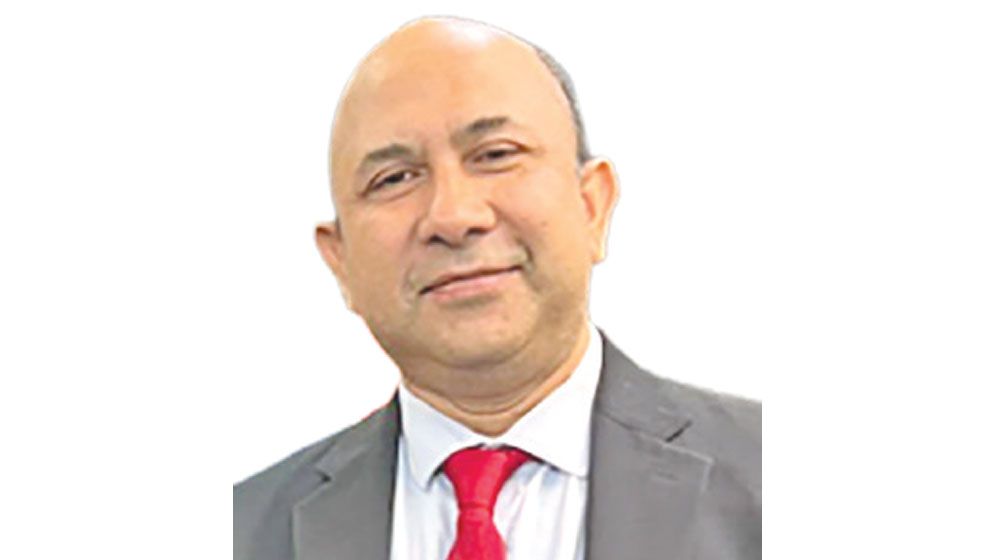
As the United States celebrates the 250th anniversary of its independence in 2026, it also celebrates generations of immigrants whose labour, innovation and civic commitment have helped shape the nation. Among them are Bangladeshi Americans, the vast majority of whom are ethnically Bengali. Though relatively small, they have made significant contributions to the American economy, healthcare, education, technology, business, public service and cultural life, embodying the enduring American ideal that people from diverse backgrounds can contribute to a shared national future.
The Bengali American story began long before Bangladesh’s independence in 1971. Historian Vivek Bald’s scholarly research “Bengali Harlem and the Lost Histories of South Asian America” documents how Bengali Muslim sailors, or lascars, deserted British ships and settled in American port cities such as New York, New Orleans, Philadelphia and Baltimore in the late nineteenth and early twentieth centuries. Many became peddlers, factory workers and small business owners, while others married African American and Puerto Rican women, establishing some of the earliest South Asian communities in the United States. Their largely forgotten story demonstrates that Bengalis were among the first South Asians to build permanent lives in America.
Modern Bangladeshi immigration accelerated after the Immigration and Nationality Act of 1965 eliminated national-origin quotas, opening opportunities for students, physicians, engineers, academics and other skilled professionals. Following Bangladesh’s independence in 1971, migration expanded further through family reunification, employment-based visas and the Diversity Visa Program. Today, scholars estimate that the Bangladeshi American community numbers close to a million people, making it one of the fastest-growing Asian American populations.
Bangladeshi Americans have become deeply integrated into the economic, civic and professional life of the United States. They serve as physicians, nurses, educators, engineers, scientists, attorneys, researchers, entrepreneurs, journalists, academics, public administrators and technology professionals while operating thousands of small businesses, including restaurants, grocery stores, pharmacies, transportation companies, construction firms, real estate agencies and technology startups, that create jobs and strengthen local economies in cities such as New York, New Jersey, Boston, Washington, Dallas, Houston, Detroit, Chicago and Los Angeles. Their contributions were especially visible during the COVID-19 pandemic, when Bangladeshi American healthcare professionals stood on the front lines of patient care, underscoring the indispensable role of immigrant communities in America’s healthcare system. They increasingly serve on school boards, municipal advisory commissions and nonprofit organisations, providing social services, disaster relief, youth mentorship, legal assistance and civic education while promoting voter registration and democratic participation. The community’s second generation has emerged as an influential force, excelling in law, medicine, finance, technology, academia, entrepreneurship, congressional staff members and public service while maintaining strong ties to their Bengali heritage. Through educational, scientific, business, cultural and people-to-people exchanges, they increasingly serve as bridges between the United States and Bangladesh, illustrating a broader pattern observed by scholars that successful immigrant communities evolve from economic advancement to civic leadership and public engagement.
Beyond economics, Bangladeshi Americans have enriched the nation’s cultural landscape by introducing Bengali literature, music, cuisine, language, film and artistic traditions to a wider American audience. Celebrations of Pahela Baishakh, International Mother Language Day and Bangladesh Independence Day now take place across the country, while Bengali cultural organisations, bookstores, restaurants and literary festivals have strengthened America’s rich tradition of cultural pluralism. Together, these contributions reflect not only the success of one immigrant community but also the continuing vitality of the American experiment, a nation renewed and strengthened by each generation of newcomers.
Although no Bangladeshi American has yet been elected to the US Congress, members of the community have recently contested elections for city councils, county offices, state assembly and state senate seats, and the US House of Representatives, particularly in New York and New Jersey. While these campaigns have not yet produced congressional representation, they demonstrate the community’s growing determination to contribute to public service and policymaking. Their campaigns have focused not only on immigrant issues but also on education, healthcare, housing, public safety, transportation, economic opportunity and good governance, reflecting their emergence as stakeholders in the broader American civic experience. As political scientists observe, even unsuccessful immigrant candidacies strengthen democratic participation by increasing political visibility, cultivating future leaders and inspiring younger generations to engage in public life. As America celebrates its 250th anniversary, the civic and political rise of Bangladeshi Americans stands as another testament to how successive generations of immigrants continue to renew and strengthen the nation’s democracy.
The Bangladeshi American experience also reflects the broader American immigrant narrative. Like earlier generations of Irish, Italian, Jewish, Chinese, Korean, Mexican, Vietnamese and other immigrants, Bangladeshi Americans have confronted challenges of adaptation, discrimination, language barriers and economic mobility. Yet successive generations have demonstrated remarkable resilience, investing heavily in education, family advancement, entrepreneurship and civic responsibility. Their story illustrates how immigration continues to renew American society while expanding its economic dynamism and cultural diversity.
As the United States marks its Semi-quincentennial in 2026, the history of Bangladeshi Americans reminds us that American independence has always been accompanied by the continual expansion of the nation’s social fabric through immigration. From Bengali sailors who quietly settled in East Coast port cities more than a century ago to today’s physicians, engineers, entrepreneurs, educators, artists, scientists, public servants and students, Bangladeshi Americans have become integral participants in the American experiment. Their contributions demonstrate that the strength of the United States lies not only in its founding ideals but also in its enduring ability to welcome talent, reward hard work and transform diversity into national strength. The Bangladeshi American experience is therefore not merely a chapter in the history of immigration; it is an integral part of the larger story of the United States itself — America, the last best hope on Earth.
_____________________________________
The write is a 2026 Legislative Policy Fellow in the US Congress