


 For all latest news, follow the Daily Sun's Google News channel.


Alarm in aviation sector as jet fuel price hiked by 112.7% in a month
▶ ▶Airline operators urge review of decision ▶ ▶Domestic routes may face suspension ▶ ▶Airfares, import costs likely to rise

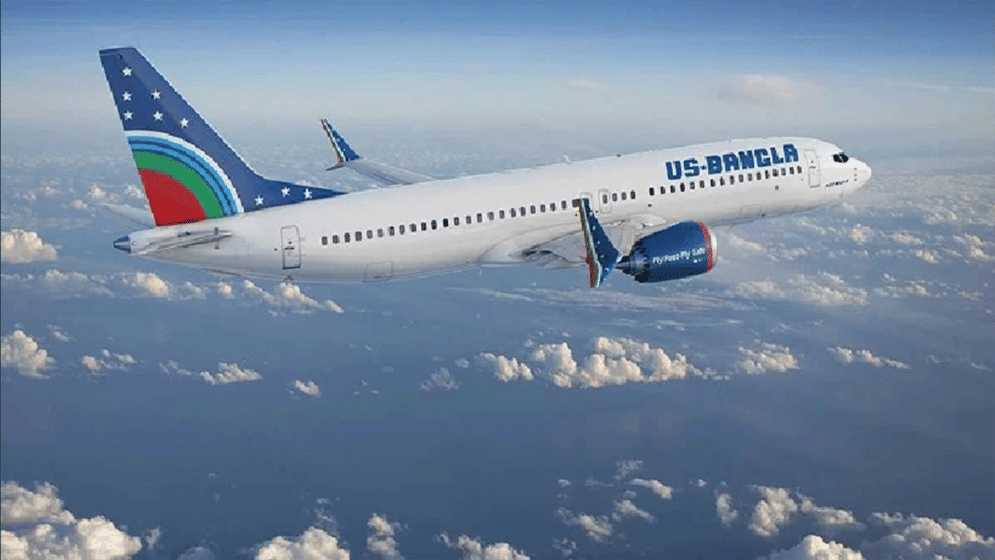
File Photo
A sharp increase in jet fuel prices – by 112.67% within a month – has sparked serious concern in Bangladesh’s aviation sector, with airline operators warning of potential disruptions to domestic flights and a broader economic impact.
The Bangladesh Energy Regulatory Commission (BERC) on Tuesday announced a fresh hike in jet fuel prices. For domestic flights, the price has surged from Tk112.41 to Tk202.29 per litre, including duties and VAT. For international operations, the rate has increased from $0.7385 to $1.3216 per litre.
This follows an earlier hike on 8 March, when domestic prices rose from Tk95.12 to Tk112.41 per litre, and international rates from $0.62 to $0.7384.
The Aviation Operators Association of Bangladesh (AOAB) has termed the latest increase “unjustified” and “extremely detrimental” to the aviation industry.
In a statement, AOAB Secretary General Mofizur Rahman noted that there is no fuel shortage in the country. He pointed out that around 25 oil tankers carrying fuel purchased at pre-fixed prices arrived in Bangladesh over the past three weeks.
“Global oil prices have recently declined. Raising prices based on anticipated future increases is illogical,” he said.
AOAB highlighted that Bangladesh’s jet fuel price hike is significantly higher than in neighbouring countries. Prices remained unchanged in India and Nepal, while increases in the Maldives and Pakistan ranged between 18% and 24%.
This sharp disparity, operators say, places Bangladesh at a competitive disadvantage within the South Asian aviation market.
Industry insiders warn that the steep rise in fuel costs will directly increase operational expenses, forcing airlines to raise ticket prices for both domestic and international routes.
Mofizur Rahman, also managing director of Novoair, said higher fares may exceed passengers’ purchasing capacity. “If airlines fail to attract enough passengers at higher ticket prices, operations on some domestic routes may have to be suspended,” he warned.
Kamrul Islam, general manager of US-Bangla Airlines, echoed similar concerns, stating that the hike is “unjustifiable” compared to regional trends.
Beyond passenger travel, the hike is expected to increase air cargo costs, which could drive up prices of imported goods, including essential food items.
Analysts warn that this could add further pressure on the country’s inflation and overall economy.
While BERC attributed the price hike to global market volatility linked to Middle East tensions, aviation stakeholders argue that the scale of the increase is excessive and poorly timed.
With rising operational costs and uncertain passenger demand, the sector now faces the risk of reduced connectivity, higher travel costs, and wider economic repercussions.