


 For all latest news, follow the Daily Sun's Google News channel.


Distant Iran War heats up Bangladesh markets
Heavy reliance on Middle East oil and LNG makes Bangladesh vulnerable ▶ ▶ Experts urge fuel reserves and diversified energy sources to prevent shocks

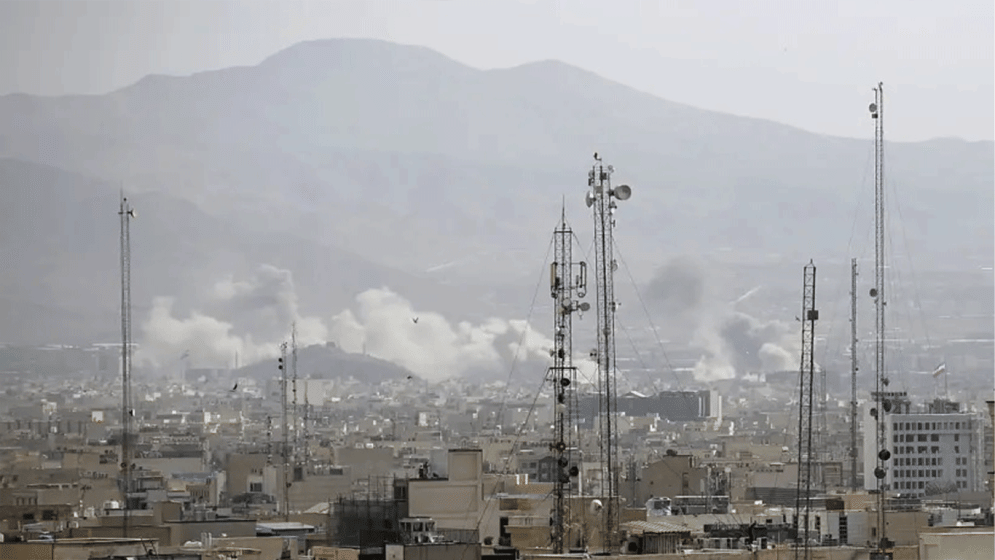
File Photo
A war unfolding thousands of kilometres away in the Middle East is beginning to reverberate through Bangladesh’s economy, sparking concerns over rising fuel costs, supply disruptions and renewed inflationary pressures on households.
The conflict involving Iran, the United States, and Israel has already shaken global energy markets and disrupted shipping routes, particularly around the Strait of Hormuz – one of the world’s most important energy corridors.
Nearly one-fifth of global oil and gas supplies pass through the narrow waterway linking the Persian Gulf to international markets. For import-dependent Bangladesh, the impact could be significant if the crisis drags on.
Inflation pressures already building
Fresh data from the Bangladesh Bureau of Statistics (BBS) shows inflation has begun climbing again, even before any direct supply shock from the conflict. Food inflation jumped to 9.30% in February 2026, the highest since January 2025, while overall inflation rose to 9.13%, a ten-month high. Food prices had eased slightly during much of last year, but the latest figures suggest that relief may be fading.
Former chief economist of Bangladesh Bank Mustafa K Mujeri said rising food costs remain the main driver of overall inflation.
“Food inflation is once again pushing up the general price level. Any disruption in fuel supply or transport costs could quickly translate into higher food prices because Bangladesh’s supply chain relies heavily on diesel-powered transport,” he said.
In local markets across major cities, the prices of staples such as rice, lentils, edible oil, vegetables, chicken, and fish have remained elevated, squeezing the purchasing power of low- and middle-income households.
Energy risks from global tensions
Bangladesh imports nearly all of its fuel oil and a large share of its natural gas in the form of liquefied natural gas (LNG), much of which originates in or passes through the Middle East.
The conflict has already pushed global crude oil prices higher. International benchmark Brent crude climbed to around $108.77 per barrel on Monday, marking the largest single-day jump since the Covid-19 pandemic in 2020. Oil prices had already risen by nearly 28% last week, and analysts warn they could approach $150 per barrel if the conflict persists. LNG prices have also risen 20–25% in recent weeks, raising concerns about higher energy import costs.
According to the state-owned Bangladesh Petroleum Corporation (BPC), the country imports roughly 700,000–800,000 tonnes of crude oil annually from the Ras Tanura terminal in Saudi Arabia. The crude is refined locally before being distributed to the domestic market. The temporary shutdown of facilities at Ras Tanura and heightened security around Gulf shipping routes have raised concerns about possible delays in shipments.
At present, Bangladesh holds around 217,000 tonnes of diesel in stock, enough for roughly two weeks of consumption, according to BPC officials.
Global inflation fears grow
The Middle East conflict is also raising concerns about rising inflation worldwide. The International Monetary Fund (IMF) has warned that escalating tensions in the region could push up global prices and create fresh uncertainty in energy markets.
IMF Managing Director Kristalina Georgieva said that if oil prices rise by 10% and remain elevated for most of the year, global inflation could increase by about 0.4 percentage points. Speaking at a symposium organised by Japan’s finance ministry, she said the crisis in the Middle East is once again testing the resilience of the global economy and urged policymakers to prepare for unexpected scenarios while strengthening economic safeguards against external shocks.
Iran War may fuel domestic inflation, raise import costs
The Centre for Policy Dialogue (CPD) has warned that the ongoing conflict could significantly increase Bangladesh’s inflationary pressure and raise the country’s import bill. CPD Executive Director Dr Fahmida Khatun highlighted that Bangladesh’s heavy reliance on imported energy – particularly LNG and crude oil – makes the economy highly vulnerable to global price shocks and supply disruptions.
“Any disruption in the global energy supply chain could quickly translate into domestic inflation and economic pressure,” she said, noting that higher energy costs are already influencing prices of essential commodities such as palm oil, wheat, and sugar.
CPD Distinguished Fellow Dr Mustafizur Rahman added that Bangladesh currently lacks a strategic fuel reserve, which could help cushion the economy against sudden supply shocks. He urged the government to develop such reserves under a medium-term plan to prevent panic buying and ensure energy security during global crises.
The think tank also recommended that the upcoming national budget prioritise energy security, diversify import sources, and accelerate investment in renewable energy while maintaining environmental commitments. They warned that reviving domestic coal exploration would contradict long-term climate goals.
Government seeks to calm market fears
Despite growing global uncertainty, the government says the situation remains under control. State Minister for Power, Energy, and Mineral Resources Anindya Islam Amit said Bangladesh currently has sufficient reserves and supply arrangements to maintain normal energy operations until at least May.
“There was no crisis in the fuel and power sector in the past, and there is no shortage now either,” he told reporters at the Secretariat in Dhaka on Tuesday.
He attributed recent long queues at petrol stations largely to panic buying rather than any real shortage. According to the minister, fuel supply during several days last week reached two to three times normal demand as consumers rushed to stock up amid fears of price increases.
Household pressure mounting
Even without a direct supply disruption, economists warn that Bangladesh is vulnerable to global energy shocks because of its heavy reliance on imported fuel and transport-dependent supply chains. The problem is compounded by sluggish wage growth. Official data show wage growth stood at about 8.06% in February, below the 9.13% inflation rate, widening the gap between household income and living costs.
Mujeri warned that prolonged volatility in global energy markets could push Bangladesh into another cost-of-living squeeze.
“If oil prices cross $100 per barrel and stay there for some time, the impact will inevitably reach domestic markets. Transport costs will rise, logistics costs will rise, and eventually food prices will rise as well.”
Risk of a wider economic slowdown
The inflation pressure is arriving at a delicate moment for the economy. According to recent estimates by the Planning Commission’s General Economics Division, Bangladesh’s GDP growth slowed to 3.49% in the 2025 fiscal year, the weakest expansion since the Covid-19 pandemic. Meanwhile, the investment-to-GDP ratio has fallen to around 28.5%, raising concerns about job creation in an economy where roughly two million people enter the labour market each year.
Energy expert M Tamim warned that a prolonged Middle East conflict could trigger competition among importing countries for fuel and LNG cargoes, pushing prices sharply higher.
“Countries will rush to secure supplies if the conflict escalates. For a country like Bangladesh, which depends heavily on imports, the key challenge will be ensuring continuous supply at manageable prices.”
Market vigilance needed
Analysts say the government will also need to maintain strict market monitoring to prevent opportunistic price increases. Bangladesh has long struggled with hoarding and speculative trading during periods of supply uncertainty.
If global energy disruptions persist, economists warn that the distant war could gradually translate into higher transport fares, rising food costs, and renewed inflationary pressures for millions of Bangladeshi households.
For now, the conflict may be far away – but its economic heat is already being felt in Bangladesh’s markets.