


 For all latest news, follow the Daily Sun's Google News channel.


Metro rail expansion hit hard as revised ADP slashes funding
Allocations for three key Dhaka metro lines cut by up to 91% amid fiscal stress, raising fears of delays and cost overruns
Ariful Islam, Dhaka
Published: 05 Jan 2026, 12:00 AM
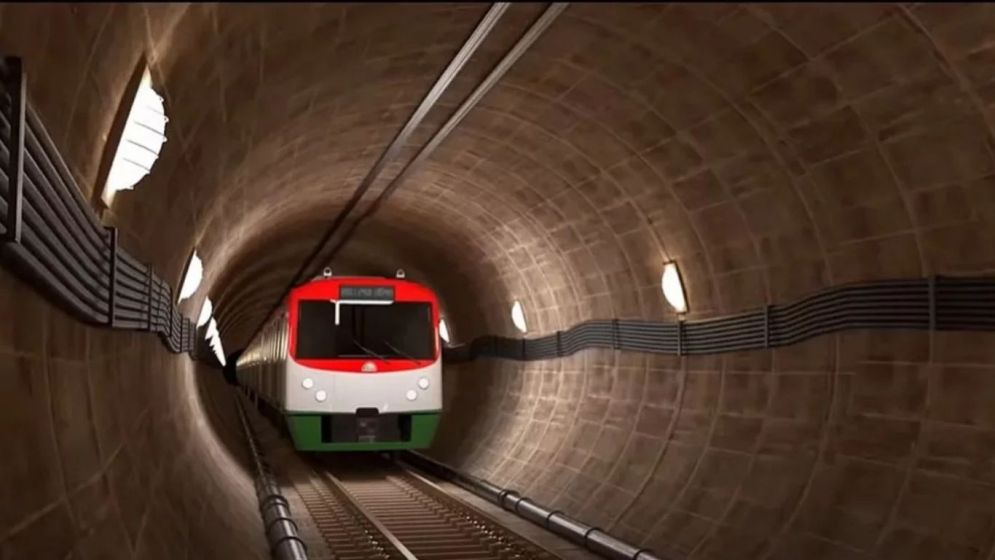
Ambitious metro rail expansion has suffered the steepest cuts in the revised Annual Development Programme (RADP) for the current fiscal year, as the government sharply reduced allocations for key urban transport projects amid mounting fiscal pressure.
According to Planning Commission sources, budget allocations for three major metro rail project, MRT Line-1, MRT Line-6 and MRT Line-5 (North), have been significantly slashed in the revised ADP, reflecting efforts to rein in development spending in the face of foreign exchange shortages, rising external debt servicing costs and weak project implementation.The revised ADP is set to be finalised today (Monday) at an extended meeting of the Planning Commission.
The most severe reduction has been imposed on Metro Rail Line-1, one of Dhaka’s flagship mass transit projects.
Its allocation has been cut from Tk8,631 crore to Tk801 crore, a reduction of nearly 91%, raising concerns over construction delays and the future pace of expansion of the planned east-west and airport-linked corridor.
Funding for Metro Rail Line-6, currently the only operational metro line in the capital, has also been trimmed. Its allocation has been reduced by Tk323 crore, from Tk1,347 crore to Tk1,023 crore, signalling tighter fiscal oversight even for projects already serving commuters.
Metro Rail Line-5 (North) has also been hit hard, with its allocation reduced from Tk1,490 crore to Tk592 crore, more than a 60% cut, potentially slowing preparatory and construction activities for the route intended to connect northern parts of the city.
Urban transport experts warn that the funding cuts could undermine efforts to ease Dhaka’s chronic traffic congestion and reduce reliance on private vehicles.
Metro rail has been widely seen as central to improving mobility, cutting travel times, lowering fuel consumption and reducing carbon emissions in one of the world’s most densely populated megacities.
The squeeze on metro rail projects is part of a broader contraction affecting Bangladesh’s largest development initiatives.
In the revised ADP, allocations for eight megaprojects have been reduced by Tk12,254 crore, nearly 36% of their original combined allocation, Planning Commission officials said.
The overall size of the revised ADP for the current fiscal year has been set at Tk2 lakh crore, down from Tk2.3 lakh crore, implying a total cut of Tk30,000 crore.
Officials cited foreign exchange shortages, rising external debt repayment obligations, delayed foreign aid disbursements and slower-than-expected project implementation as the main reasons behind the reductions.
While most large projects have faced sharp cuts, a few exceptions remain.
Allocation for the Rooppur Nuclear Power Plant has been kept unchanged at Tk10,011 crore, reflecting its strategic importance.
In contrast, funding for the Dhaka-Ashulia Elevated Expressway has been increased by Tk1,134 crore, raising its allocation to Tk4,476 crore in the revised programme.
Beyond metro rail, budget tightening has affected multiple sectors. Major road, port, airport and rail projects have seen deep cuts, while several flagship health and education projects have faced reductions ranging from 70% to over 90%, raising concerns over delays in expanding essential infrastructure.
Officials involved in the RADP process acknowledged that weak implementation capacity, combined with fiscal stress and pressure on foreign currency reserves, has forced the government to prioritise cash-flow management over rapid execution of large-scale development projects.
Economists caution that prolonged underfunding of metro rail projects could have long-term consequences, including higher overall costs, weakened investor confidence and delayed economic benefits from efficient urban mass transit systems.
Dr Mustafa K Mujeri, former chief economist of Bangladesh Bank and executive director of the Institute for Inclusive Finance and Development (InM), said the cuts reflect growing fiscal constraints.
“The government has failed to meet revenue collection targets, while external financing is expected to remain limited in the run-up to the national election,” he told the Daily Sun. “With elections approaching and foreign loan disbursements likely to slow, the government has little choice but to rein in its development budget.”
Dr Mujeri warned that cutting metro rail allocations at this stage could lead to work slowdowns and implementation bottlenecks.
“Budget cuts will cause temporary stagnation in metro rail construction, which may push up both project timelines and overall costs,” he said.
He added that the next government is expected to reassess development priorities after the election. “However, delays created now may have long-term cost implications for large infrastructure projects such as metro rail,” he cautioned.