


 For all latest news, follow the Daily Sun's Google News channel.


Patients forced to buy medicines as Jhenaidah hospitals run dry
Swelling medical costs burdening lower and middle-income families
Daily Sun Report, Jhenaidah
Published: 06 Dec 2025, 12:00 AM
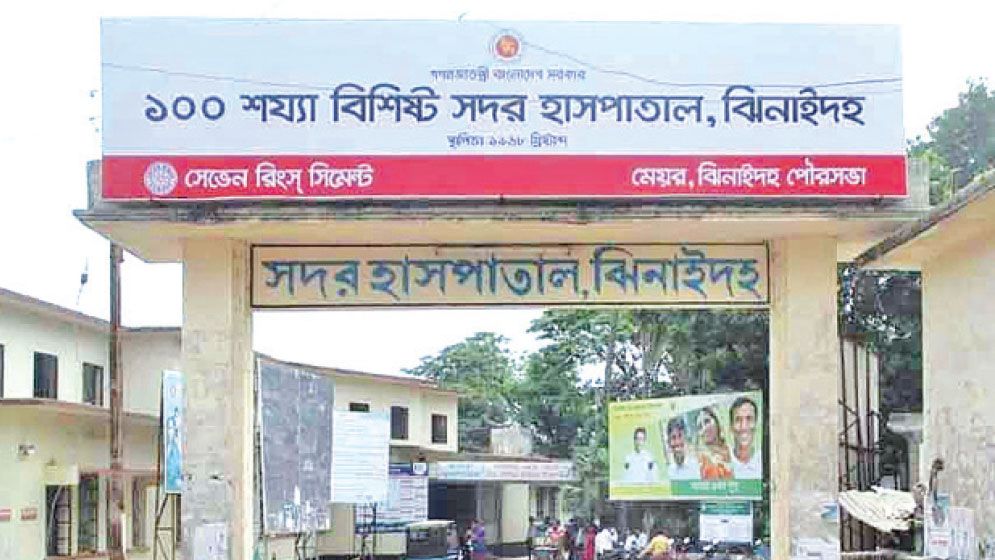
Although the 250-bed Jhenaidah District Sadar Hospital should offer free medical services and medicines, but most patients are compelled to purchase essential medicines and undergo diagnostic tests from private facilities at high cost.
This situation is pushing lower- and middle-income families into further financial hardship. Patients at the district’s five upazila health complexes are facing similar problems due to a persistent shortage of government-supplied medicines. Health officials acknowledged the crisis but described it as temporary.
Every day, thousands of patients crowd into the hospitals. Despite receiving prescriptions after booking tickets and consulting doctors, many find that the hospital pharmacy has run out of essential medicines.
According to hospital sources, the weekly allocation of medicines is so limited that supplies are depleted within the first two days. After that, patients are directed to outside pharmacies.
As per the Health Department’s supply list, government hospitals are supposed to provide free tablets including paracetamol, histacin, antacid, cotrim, penicillin, metronidazole, FS (iron), ranitidine, levamisole, amlodipine, amoxicillin, diazepam and hyoscine; capsules such as amoxicillin, cefradine, tetracycline, doxycycline, omeprazole; syrups including paracetamol, histacin, salbutamol, cefuroxime, amoxicillin, cotrimoxazole, ranitidine and erythromycin; and a range of injections including human insulin, omeprazole, saline, dextrose, diclofenac, atropine, gentamicin, and ampicillin. Baby lotion and whitefill are also provided under government supply.
High out-of-pocket expenses
The lack of basic medicines has increased the financial burden on poor and daily wage-earning households. Families with patients suffering from chronic illnesses allegedly spend Tk5,000–Tk10,000 weekly on medicines alone.
The crisis is further aggravated by a shortage of diagnostic tests. Many essential tests, including X-rays and ultrasonograms, are unavailable at the hospital, forcing patients to seek services from private diagnostic centres at substantial cost.
Voices of suffering
Osman Ali of Shailkupa, who brought his son with accident injuries, on Thursday said, “I heard that treatment is free in government hospitals. But after coming here, I saw everything has changed. I spend Tk2,000–Tk2,500 daily on medicines, and tests are not done here. We are forced to go to private centres. It’s extremely difficult for poor people like us.”
Jasim Uddin of Narikelbaria, whose wife was admitted with persistent fever, said he had already spent around Tk2,800 on medicines in four days.
Public concern and authorities’ response
Human rights activist and civil society representative Anwaruzzaman Azad criticised the hospital management, saying, “The superintendent seems more focused on beautifying the hospital than ensuring patient care. When the main district hospital cannot provide medicines, what could be more unfortunate? The authorities must intervene immediately.”
Responding to these allegations, Hospital Superintendent Dr Mostafizur Rahman said the shortage is due to the high patient load and limited allocation.
“It is not possible to supply medicines to all patients with the current allocation. We are distributing whatever is available. If the supply increases, the crisis will ease,” he said.
He added that a demand-based requisition has recently been submitted to the Health Department and that the new allocation is expected soon, expressing hope that the situation will improve.