


 For all latest news, follow the Daily Sun's Google News channel.


National Logistics Policy 2025 approved to boost investment, exports
The overarching goal of the National Logistics Policy 2025 is to enhance Bangladesh’s capacity for international trade and investment
BSS, Dhaka
Published: 06 Nov 2025, 07:27 PM
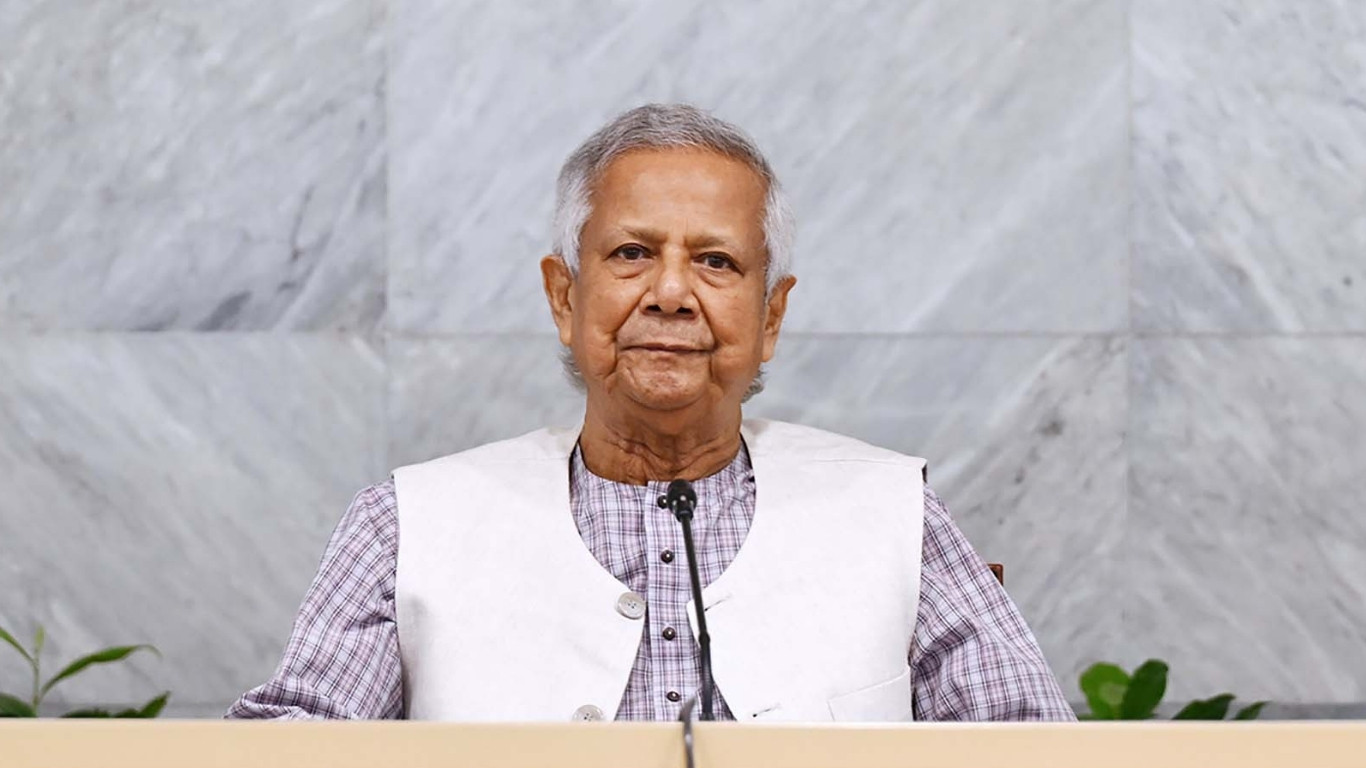
File Photo
The government has approved the National Logistics Policy 2025, a comprehensive framework designed to modernise and streamline Bangladesh’s transport, supply chain, and trade systems.
The approval came during the 47th meeting of the Advisory Council held at the Chief Adviser’s Office on Thursday, with Chief Adviser Professor Muhammad Yunus in the chair.
Following the meeting, Chief Adviser’s Press Secretary Shafiqul Alam briefed reporters at a press conference at the Foreign Service Academy in Dhaka.
“The adoption of this policy provides clear guidance for the government to operate efficiently,” said the press secretary. “This is a landmark directive for Bangladesh’s logistics sector.”
He noted that the policy is expected to attract greater investment in both the public and private sectors, draw increased foreign investment, and enhance the competitiveness of Bangladesh’s export sector compared to rival economies.
Currently, it can take up to 11 days for goods to be shipped through the country’s principal seaport in Chattogram, he said. “Once implemented, the new logistics policy will significantly improve the speed and efficiency of goods transportation, making export operations much smoother,” he added.
The press secretary mentioned that although a similar policy was formulated in 2024, it fell short of expectations. A committee headed by Public Administration Secretary Ehsanul Haque later revised and redrafted the policy.
Highlighting the key priorities, Alam said that by 2050, the policy will emphasise the development of railways and inland waterways. Bangladesh has nearly 3,000 kilometres of navigable waterways, and the policy aims to maximise their use.
The policy also encourages investment through public-private partnership (PPP) models and envisions transforming the logistics sector into a fully digital ecosystem—enabling real-time processing of customs, fees, and documentation.
According to the press secretary, the overarching goal of the National Logistics Policy 2025 is to enhance Bangladesh’s capacity for international trade and investment.
As Bangladesh graduates from the Least Developed Country (LDC) category, it will gradually lose its current duty-free and quota-free trade privileges in global markets. The new policy is expected to help offset rising export costs and strengthen the competitiveness of Bangladeshi products amid new global trade challenges.