


 For all latest news, follow the Daily Sun's Google News channel.


Special Article
Arafat Rahman Koko: A reclusive yet immortal sports visionary
Professor Dr. Morshed Hasan Khan
Published: 12 Aug 2025, 08:36 AM
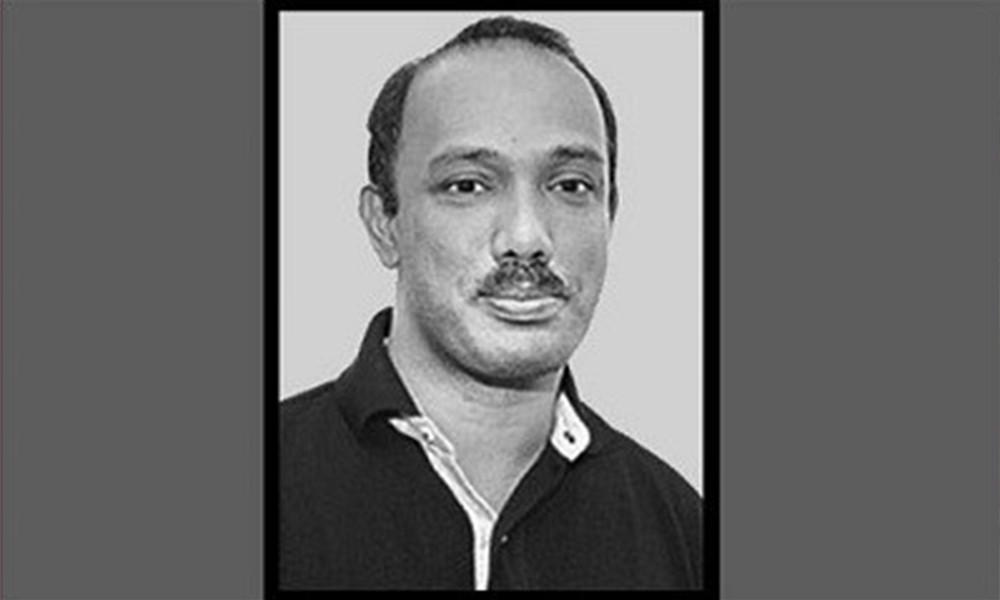
Arafat Rahman Koko was born in 1969, when his father was stationed in Cumilla. Soon after his birth came 1971. During the Liberation War, his father left to fight, calling for rebellion against the Pakistani occupation forces from Chattogram and declaring independence. Then came nine months of bloody war — and the birth of an independent country with a red-and-green flag.
During the war, Koko, his mother, and elder brother Tarique Rahman were captured by Pakistani soldiers — a childhood memory marked by tragedy. Their imprisonment at Dhaka Cantonment was one of the biggest ordeals of his life, though as a child he perhaps did not fully grasp the meaning of captivity or the joy of freedom.
As he grew older, Koko came to understand that this country and its people were his own. He saw the urgent need for development and modernization in every sector of the newly independent nation. Choosing a quiet, withdrawn life, he devoted himself to sports — a “prince” who could have lived in comfort within the corridors of power, but instead chose the path of reform.
Koko, youngest son of martyred President Ziaur Rahman, Bir Uttam, and former Prime Minister Begum Khaleda Zia, brought the vision of a master craftsman to Bangladesh’s sports arena. When he, his mother, and brother were released from captivity, he was only two years, four months, and four days old. During the November 1975 soldiers’ uprising, his father was imprisoned before returning to power, and Koko was just six years old. When his father was assassinated in 1981, Koko was only eleven. His short life until then had been marked by tragedy after tragedy — experiences that shaped his inner world, though he rarely expressed them.
After being imprisoned as a toddler in 1971, Koko was arrested a second time in 2007 during the army-backed caretaker government. Released on July 17, 2008, he went abroad for medical treatment. On January 24, 2015, he died in Malaysia at the age of just 45.
Koko was humble and introverted in his personal life. Though he made historic contributions as a sports organizer, he shunned publicity. From 2002 to 2005, during his time at the Bangladesh Cricket Board (BCB), he not only depoliticized cricket but also set an example by working with opposition leader Saber Hossain Chowdhury.
Unlike most BCB officials, Koko had actually played cricket — for the DOHS Club in the Second Division. Playing in the lower division despite being the Prime Minister’s son showed his humility, a trait evident throughout his sports administration career.
By law, the government could appoint anyone as BCB president, and he could easily have taken the post. Instead, he served as chairman of the Development Committee, where he overhauled age-group cricket and started the High Performance Unit, creating a pipeline for future stars. Bangladesh’s most successful cricketers — Shakib Al Hasan, Tamim Iqbal, Mushfiqur Rahim, Shuvagata Hom, and Enamul Haque Jr. — all benefited from this system.
Because of the monsoon, cricket could not be played year-round in Bangladesh. In 2004, Koko secured the Mirpur Sher-e-Bangla Stadium for cricket and modernized it with an underground drainage system, turning it into a world-class venue. This helped Bangladesh earn co-host status for the 2011 Cricket World Cup.
Koko also worked to decentralize cricket, planning international-standard stadiums in Sylhet, Khulna, Bogura, and Rajshahi. Despite being in power, he named Bogura’s only international stadium after freedom fighter Shaheed Chandu rather than his father — a rare gesture in Bangladeshi politics.
Leveraging his personal ties with Cricket Australia, Koko brought in foreign coaches, trainers, and physiotherapists, improving professionalism in the BCB. He kept the board free from political interference and never sought the spotlight.
It was largely due to his charisma that Bangladesh hosted its first Under-19 World Cup in 2004, despite nationwide strikes called by the opposition. In an extraordinary feat, 15 practice matches were organized in a single day, impressing the cricketing world.
After the 1/11 changeover in 2007, the Zia family came under intense domestic and international pressure. Koko and his brother Tarique Rahman faced severe persecution. Forced into exile in Malaysia, he died there still facing cases filed by the army-backed government.
His death cast a pall of grief over the nation. On January 27, during an opposition protest amid near-curfew conditions, his funeral prayer was held at Baitul Mukarram National Mosque. Media reports described crowds stretching from the mosque’s south gate to Moulana Bhasani Hockey Stadium, Mahanagar Natya Mancha, Golap Shah’s Mazar, and GPO intersection. From the north gate, mourners filled Paltan, Dainik Bangla, and the National Sports Council area. People also came from Narayanganj, Manikganj, and Gazipur.
The farewell of this unassuming, publicity-shy man drew tears from millions. Like his father’s funeral, Koko’s janaza remains a remarkable moment in Bangladesh’s history. Defying fear and barriers under an authoritarian state, ordinary people came out to bid farewell to this immortal sports visionary.