


 For all latest news, follow the Daily Sun's Google News channel.


My liberation notes: A drama that doesn’t entertain—It understands you
This drama settles beside you like a weary friend, breathing in silence, echoing your unsaid thoughts.
Nahida Sultana Sayma
Published: 20 Jul 2025, 01:45 PM
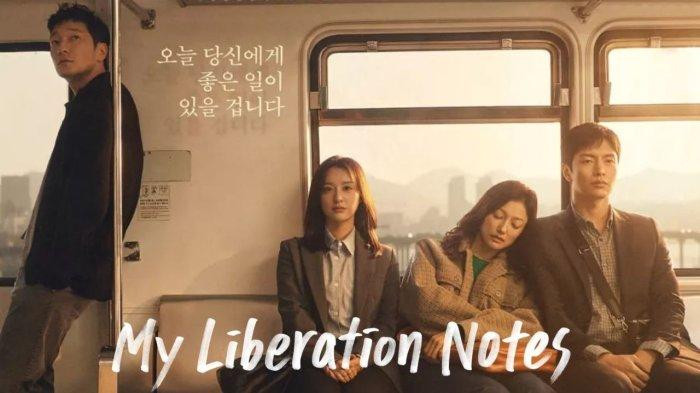
'My Liberation Notes' Poster (2022)
In a world filled with dramas that chase after thrill, fantasy, or romance, My Liberation Notes quietly stands apart. It’s not a show you binge for distraction — it’s one you feel, absorb, and eventually carry within. It doesn't beg for attention. Instead, it settles beside you like a weary friend, breathing in silence, echoing your unsaid thoughts.
Set in the still, almost invisible outskirts of Seoul, this 16-episode masterpiece isn’t about climaxes or catharsis. It’s about quiet aches. Longing. Lives spent commuting, compromising, and choking on the weight of small, unfulfilled dreams. But in that stillness lies a deep rebellion — not the noisy, dramatic kind, but one that dares to give meaning to the mundane.
At the heart of the narrative are the three Yeom siblings — Mi-jeong, Ki-jeong, and Chang-hee — caught in what many would call uneventful lives. They wake up early, travel long hours to jobs that barely stir their souls, and return home to the same repetitive routines. From the outside, their lives seem dull. But My Liberation Notes refuses to view them that way.
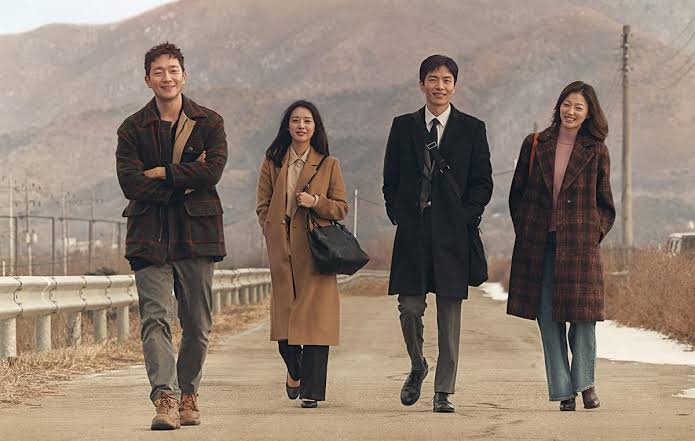
Underneath their quiet routines lives a gnawing ache — for meaning, for release, for some sort of unseen door to open. Mi-jeong, the youngest sibling, captures this best when she says, Out of the 24 hours in a day, I only feel okay for about a couple. And it's not like I even feel good — I just feel okay. These are not lines written to impress; they are confessions. And in these confessions, many of us find ourselves.
Yeom Mi-jeong is not your typical K-drama heroine. She doesn’t sparkle or scream, doesn’t seduce or save. She whispers. She survives. And in that quiet survival lies the struggle of an entire generation — emotionally numb, yet deeply sensitive; silently enduring, yet quietly longing.
She confesses, I’m not happy. I’m not unhappy either. It feels like I’m stuck, but I don’t know how to get out.
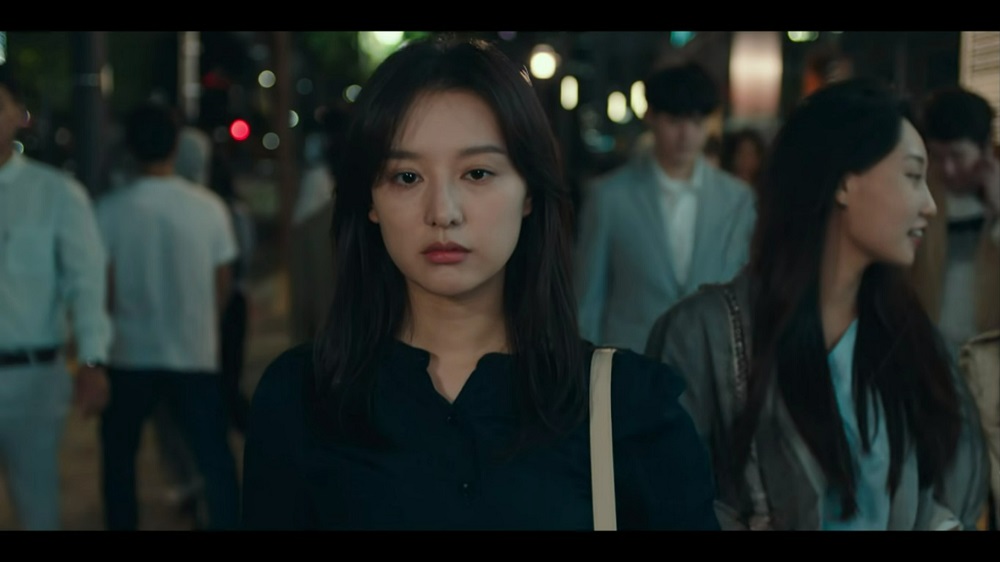
This isn’t depression for spectacle. It’s the invisible heaviness worn by millions who feel disconnected in a hyperconnected world.
When Mi-jeong says, I want to be worshipped,” it’s not ego — it’s a yearning to be fully seen. She doesn’t want grandeur. She wants presence. Someone to see the hidden, gentle, desperate parts of her and say, “You don’t have to perform. I see you.
Then comes Mr. Gu — a silent figure with a past he’s running from and a present he’s barely surviving. An alcoholic, an enigma, and a mirror to Mi-jeong’s quiet grief. He doesn’t fix her. She doesn’t fix him. But together, they stop running. They become witnesses to each other’s pain — without judgment, without solution.
.jpg)
Their love is not romantic in the conventional sense. It’s sacred. Their connection, not bound by dialogue, but by shared silences. He says, When I’m sober, the dead from my past come to me. She tells him to greet them with a smile next time. This is what My Liberation Notes does — it teaches that healing isn't about transformation. It’s about endurance, and sometimes, just being seen.
In the final episodes, as each character drifts closer to their own version of freedom, the show avoids big resolutions. Instead, it offers small victories. A shared smile. A message sent. A coat buttoned right. Chang-hee finds purpose in the unexpected — learning to become a funeral director after instinctively staying with a dying man. Ki-jeong chooses love, even when it’s complicated. Mi-jeong chooses herself, and in doing so, welcomes joy — not with fanfare, but with a quiet exhale.

'I feel so lovable. There’s nothing but love in my heart,' Mi-jeong finally says. It's not a declaration of triumph. It’s a recognition — a tender, overdue acceptance of her own worth.
Mr. Gu, too, makes a choice. He picks up his 500-won coin that miraculously doesn’t fall into the manhole, smiles faintly, and walks on — no longer vanishing into alcohol, but toward life, however uncertain.
My Liberation Notes is steeped in existential philosophy — echoing Camus’ absurdism, de Beauvoir’s honesty, and Zen’s stillness. It asks not, What is the meaning of life? but Can we live even without it? Can love exist without fireworks? Can we liberate ourselves not with noise, but with truth?
It gives no answers. Only permission — to pause, to ache, to breathe.
In south asian society— where emotional endurance is valorized but emotional expression is stifled — Mi-jeong’s quiet vulnerability strikes a chord. We are taught to suppress, not express. To keep moving, not to question. My Liberation Notes dares to say: it’s okay to pause. It’s okay to say, I’m tired. And it’s okay not to know what comes next.
This is a show for the dreamers who stopped dreaming, for the tired souls who never got to rest, for the invisible ones who crave to be seen.
While most dramas offer escape, My Liberation Notes offers reflection. It doesn’t wrap life in illusions. It hands you your own emotions — raw, quiet, and truthful.
It doesn’t save you. But it sits with you. And sometimes, that’s the most healing thing of all.
As the credits roll, you don’t cry for the characters — you cry for yourself. Not out of sadness, but because finally, someone understood.
And in that moment of soft, aching recognition lies the most radical liberation of all.