


 For all latest news, follow the Daily Sun's Google News channel.


Dublin Conference to Emphasize Tobacco Control as a Global and National Priority in 2025
Dr. Khaleda Islam
Published: 16 Jun 2025, 07:29 PM
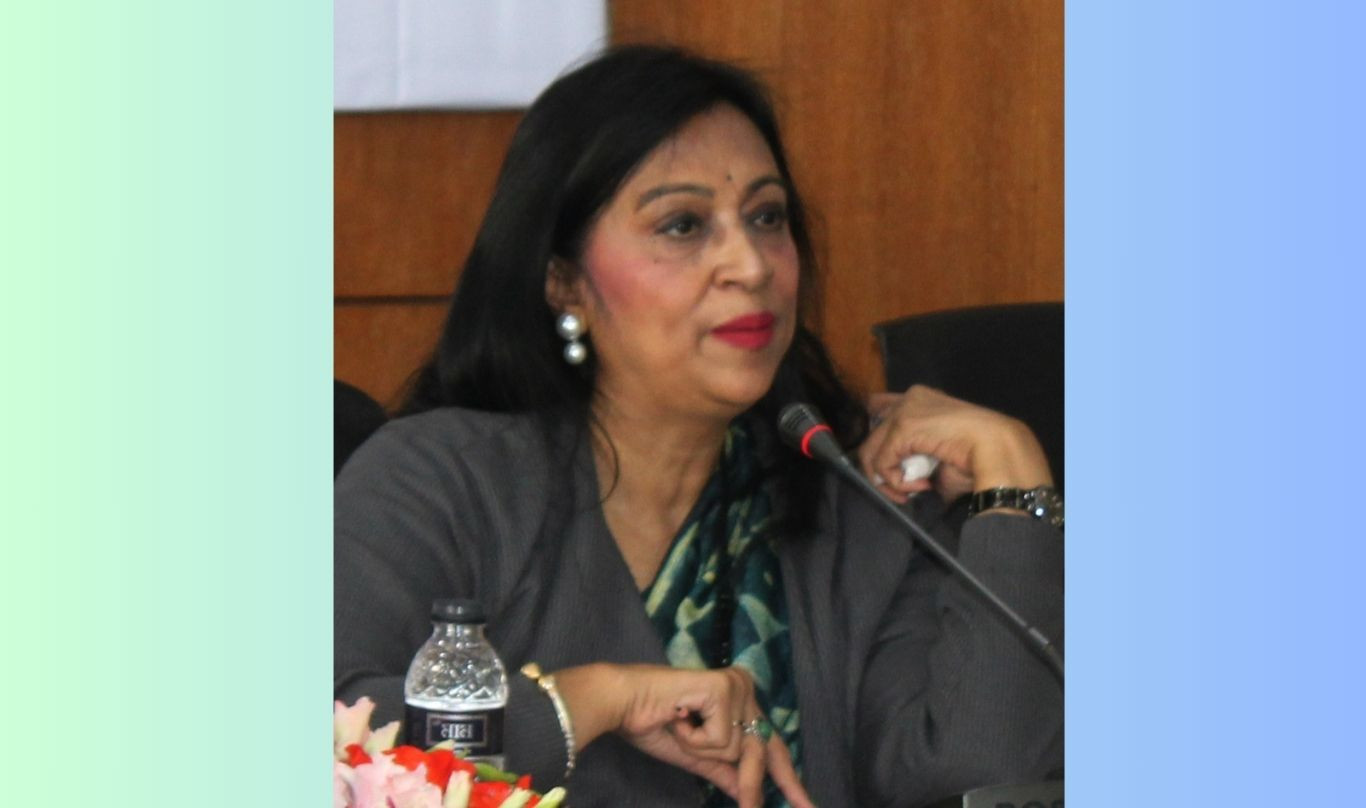
Dr. Khaleda Islam. | Photo: Collected
The world in 2025 is going through big changes in public health. Many health institutions are under pressure, and global support for health programs is shrinking. Even the United States has pulled back from the World Health Organisation, leaving fewer resources to deal with public health problems. But during this tough time, one solution continues to show strong results which is tobacco control.
Tobacco control is not just about stopping tobacco consumption. It’s about saving lives, reducing the burden on health systems, and protecting children from deadly addiction. From June 23 to 25, 2025 health leaders, government officials, and activists from across the world will meet in Dublin, Ireland, at the World Conference on Tobacco Control (WCTC). This event comes at a key time when the world needs to renew its efforts and stand strong against the tobacco industry.
Thanks to global actions led by the World Health Organisation Framework Convention on Tobacco Control (FCTC), the percentage of adults who use tobacco has dropped from 22.7% in 2007 to 17.3% in 2021. Today, more than 5.6 billion people worldwide are protected by strong tobacco control laws, including higher taxes, bans on smoking in public places, and restrictions on advertising. These successes are reflected in regional and country-level progress, such as South America becoming the first smoke-free continent, China’s 24 cities adopting comprehensive smoke-free laws, and countries like Ethiopia and Mexico passing strong national legislation. Civil society organizations, youth groups, and dedicated individuals have been essential in driving these achievements and advancing global tobacco control efforts.
The tobacco industry continues to use deceptive tactics to block stronger laws and target the next generation. Through flashy packaging, sweet flavors, online ads, and marketing near schools, they make tobacco products appealing to young people. Their so-called Corporate Social Responsibility (CSR) programs are also used to mislead the public and create a false image of goodwill, while their real goal remains profit from addiction. In Bangladesh, this is especially alarming. According to the Global Adult Tobacco Survey 2017 (GATS), 35.3% of adults and 7.1% of school-aged children (13 to 15 years) use tobacco. Around 40 million people are exposed to secondhand smoke in public places and workplaces, and over 161,000 people die every year from tobacco-related diseases. The cheap price and easy availability of tobacco products further worsen the situation, making it easier for youth to fall into the trap of tobacco use. That’s why this year’s World No Tobacco Day theme, “Unmasking the Appeal,” urges us to expose these harmful strategies and push for stricter laws to protect public health especially for the younger generation.
Amid of all these ground realities, Bangladesh is making progress. led by the Ministry of Health and Family Welfare through the work of the National Tobacco Control Cell of Bangladesh (NTCC) and the implementation of key laws. Building on this progress, the Ministry has proposed a series of important amendments aimed at closing existing gaps and strengthening public health protections. These amendments include: banning designated smoking areas or smoking zones in public places; completely prohibiting the display and advertisement of all types of tobacco products; taking strict legal measures to protect youth from the harmful effects of e-cigarettes; banning the corporate social responsibility (CSR) activities of tobacco companies; and increasing pictorial health warnings on tobacco packaging to 90%. Civil society groups in Bangladesh are standing strong educating communities, inspiring young people, and advocating for change. If implemented, these changes have the potential to save thousands of lives. and bring Bangladesh closer to its goal of being a tobacco-free country. The upcoming WCTC is the perfect platform to show that Bangladesh is serious about tobacco control. During the conference, the WHO will release its 2025 report on the global tobacco epidemic. It will highlight which countries are making progress and which are falling behind.
With effective policies and strong leadership, we have a powerful opportunity to shield millions from the deadly impact of tobacco. The choices we make today will shape the health and future of our nation. As the World Conference on Tobacco or Health (WCTC) approaches, we, the tobacco control advocates of Bangladesh, look forward to renewed global solidarity and actionable commitments that will strengthen our efforts and inspire meaningful progress.
- The writer is the former Director of the Institute of Nutrition and Food Science at University of Dhaka.