


 For all latest news, follow the Daily Sun's Google News channel.


Time to Eliminate SSC and HSC Results from University Faculty Recruitment
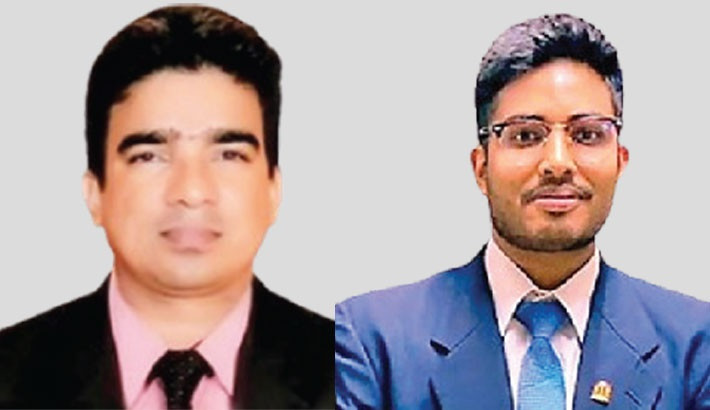
Abul Kalam and Md. Al-Mamun
Published: 17 Feb 2025, 10:42 AM
In a small village in Bangladesh, a student named Rafiq (pseudonym) faced significant barriers despite excelling in his university studies. Graduating with honours in Sociology, publishing research in top-tier journals, and receiving international recognition, he is an ideal candidate for a university teaching position.
Yet, he was rejected because his Secondary School Certificate (SSC) and Higher Secondary Certificate (HSC) results did not meet the arbitrary cut-offs for faculty recruitment. Rafiq’s story is not unique. The current recruitment system for university teachers in Bangladesh places disproportionate weight on SSC and HSC results -- early academic records that fail to reflect the research capability, intellectual depth, and teaching potential required in higher education. This out-dated practice not only hinders the selection of the best candidates but also perpetuates educational inequality.
The irrelevance of SSC and HSC in higher education
Studies show that early academic performance, reflected in SSC and HSC results, often fails to predict future success in higher education and professional careers. For instance, a study by the Bangladesh Bureau of Educational Information and Statistics (BANBEIS) indicates that nearly 30% of students who perform below average in secondary school end up excelling in their university studies. This statistic underscores the disconnect between early academic records and later academic achievements, particularly in fields that demand advanced research and critical thinking.
Furthermore, research published in The Journal of Higher Education suggests that universities should prioritise post-secondary academic performance over early school results as students mature and demonstrate academic aptitude through university-level coursework. The findings from top universities worldwide validate this trend, highlighting how high school performance has minimal correlation with research output and faculty potential.
Top universities worldwide, including Harvard, Oxford, and the University of Toronto, do not consider high school results when hiring faculty. Instead, they focus on candidates’ research contributions, teaching experience, and subject expertise. Bangladesh’s system must also evolve to align with international academic standards.
The phenomenon of students improving academically during their university education is particularly notable in Bangladesh, where many students face socioeconomic pressures, limited access to resources, and family constraints. According to data from the Bangladesh Institute of Development Studies (BIDS), over 40% of students from underprivileged backgrounds perform significantly better in higher education compared to their SSC/HSC scores. However, the rigid recruitment criteria prevent many from securing faculty positions, depriving universities of potential intellectual assets.
Structural inequality in the education system
The structural inequality in the education system remains a significant barrier for students from rural and economically disadvantaged backgrounds. Research from Transparency International Bangladesh (TIB) has highlighted that students from urban, well-funded schools perform disproportionately better in SSC and HSC exams due to access to better resources, including coaching centres and online learning tools. In contrast, students from rural areas, such as those from the south-western regions of Bangladesh, face systemic disadvantages, making it harder for them to meet the high cut-offs marks required for faculty recruitment, even when they excel later in their academic careers.
The right criteria for university faculty recruitment
Given the precise data supporting the need for reform, it is essential to rethink faculty recruitment criteria to reflect a candidate’s true academic potential. In alignment with international best practices, universities in Bangladesh can adopt a weighted evaluation system, where:
1. Research publications and impact (40%) – Candidates should be evaluated based on their contributions to high-impact research publications, especially those in peer-reviewed journals, citations, and academic impact.
2. Undergraduate and postgraduate performance (30%) – Focus on CGPA and academic excellence at the university level, where research and critical thinking are developed.
3. Teaching experience and pedagogical skills (20%) – Consider past teaching experience, including curriculum development and student mentorship.
4. Professional and international exposure (10%) – Emphasise candidates with exposure to global Honours and Masters. More weight should be given to performance in higher education, where subject-specific expertise is developed.
The good news is that several institutions in Bangladesh, including BRAC University, North South University, and Dhaka University’s Institute of Business Administration (IBA), have successfully implemented merit-based faculty recruitment policies that focus on postgraduate achievements, research output, and teaching experience. These institutions have reported an increase in the quality of teaching staff, a higher rate of international collaborations, and an improvement in research impact.
To conclude, by shifting the focus to research excellence, postgraduate achievements, and teaching experience, Bangladesh can elevate its higher education sector to global standards. It’s not about any particular individual; it's about providing all talented individuals with a fair chance to contribute to academia and ultimately strengthen the nation's higher education system. Given the evidence, the University Grants Commission (UGC) and the interim government must consider these compelling facts and advocate for reform in the faculty recruitment process. Reforming the recruitment process is not merely a recommendation -- it is an urgent necessity to ensure that the brightest minds, regardless of their early academic history, shape the future of Bangladesh’s universities.
--------------------------------------------------
Abul Kalam is an Assistant Professor, Department of Sociology, Gopalganj Science and Technology University. And Md. Al-Mamun is a researcher, BRAC Institute of Governance and Development.