


 For all latest news, follow the Daily Sun's Google News channel.


Quota: Can Flexibility Bring Fairness?
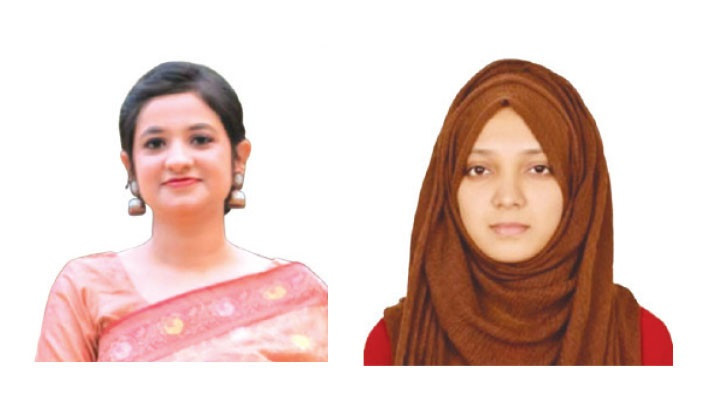
Ruhina Tabasshum Prome and Shirin Sultana
Published: 05 Feb 2025, 10:34 AM
The quota system in Bangladesh’s academic admissions has been a persistent point of contention. Despite substantial struggles, including the July Uprising that demanded an end to inequality and discrimination, the challenges surrounding this system remain unresolved. Originally intended to provide opportunities for marginalised communities, the system’s flawed implementation and lack of transparency have drawn widespread criticism. This issue is perhaps most evident in the medical admission process, where the application of quotas has sparked serious concerns about fairness, accountability and the credibility of the education system.
The MBBS admission test for the academic year 2024-25 took place on 17 January, with 131,729 candidates competing across 19 centres nationwide. Among the 5,380 seats available in 57 government medical colleges, 269 were reserved for the children and grandchildren of freedom fighters (FF), and 39 for candidates from backward communities. However, out of the 269 FF quota seats, only 76 candidates secured admission based on merit, while 193 got admission chance due to their quota eligibility. This meant that 70% of FF quota recipients were granted admission without meeting the usual merit criteria, leading to widespread criticism and the subsequent withholding of their results.
This controversy is not an isolated incident. Earlier in the same year, the ward quota issue at Rajshahi University also triggered protests. Initially, the university administration reduced the quota for children of employees to 1% and eliminated it for the children of teachers and officers. However, following student pressure, Vice-Chancellor Professor Dr. Saleh Hasan Naqib fully abolished the heir quota on 2 January. Similar issues persist across public universities, where 11 types of quotas exist. While some address genuine inequities, others perpetuate inefficiency and favouritism, highlighting the urgent need for reform to align opportunities with merit and societal needs.
The core issue with the quota system lies in allocating fixed percentages, such as the 5% reservation for specific groups, without considering the actual number of eligible candidates in a given year. This rigidity often results in inefficiencies and undermines public trust in the system. For instance in the 2019-20 academic year, the Rajshahi University administration lowered the pass mark for dependent quota candidates from 40 to 30 to ensure all reserved seats were filled. This sparked widespread criticism for compromising academic standards and fairness. Such incidents underscore the limitations of fixed quotas that fail to adapt to real-time eligibility data. Fixed quotas often lead to unfilled reserved seats, which are often filled through controversial adjustments, as evidenced in recent incidents.
A potential solution lies in transitioning to a flexible, data-driven quota system. By leveraging technology and demographic surveys, institutions can dynamically adjust quotas based on real-time eligibility, ensuring fairness without compromising academic benchmarks. The first step towards reform is systematically collecting accurate data on quota applicants. Institutions should track the number of eligible candidates per admission cycle. This data would enable dynamic seat allocation, aligning reserved seats with actual needs instead of rigidly enforcing fixed quotas.
To further enhance fairness and effectiveness, institutions should implement real-time monitoring to analyse trends in quota applications, academic performance and admission outcomes. Machine learning and predictive analytics can help refine policies. Regular audits would identify gaps or inefficiencies, ensuring quota allocations align with national educational goals. Additionally, universities must ensure that quota policies are assessed periodically to reflect societal changes and evolving educational standards. Transparency is crucial. Annual reports detailing quota allocations, backed by data and analysis, would foster public trust and accountability. Open discourse would allow policymakers to fine-tune the system based on feedback and evolving societal needs.
Verification of eligibility is another key aspect. Institutions should enforce rigorous verification procedures, supported by a centralised registry. Quota applicants should submit verifiable documents, such as academic certificates or proof of socio-economic disadvantage, cross-checked against an official database to ensure benefits reach the genuinely deserving candidates. Introducing stricter penalties for fraudulent claims would further reinforce trust in the system and discourage misuse of quotas. A robust verification mechanism would also minimise discrepancies, ensuring the fairness of admissions.
Additionally, universities should establish dedicated committees comprising students, educators, and policymakers to evaluate the quota system. These committees should use data-driven insights to assess effectiveness and recommend adjustments. Trends in applicant demographics, academic performance and admission outcomes could inform policy changes, ensuring fairness and adaptability. Regularly publishing these findings would enhance transparency and public confidence. Moreover, these committees could conduct independent reviews of quota distributions to ensure decisions remain data-driven and free from political or administrative biases.
By embracing technology and flexibility, Bangladesh can reform its quota system to better reflect societal needs while upholding academic standards. Moving towards a data-driven approach ensures fairness, efficiency and transparency. This transformation is not just a policy update—it is a commitment to a more equitable and future-ready education system. The time for change is now. Addressing quota-related concerns in a systematic and transparent manner will not only enhance the credibility of the education system but also ensure that it continues to serve as a powerful tool for social mobility and national development.
__________________________________
The writers are Research Associates at Bangladesh Institute of Governance and Management (BIGM)