


 For all latest news, follow the Daily Sun's Google News channel.


Research consistently ignored for proper utilisation of sucker fish
The fast-spreading fish threatens river ecosystem
Daily Sun Report, Dhaka
Published: 28 Dec 2024, 03:52 PM
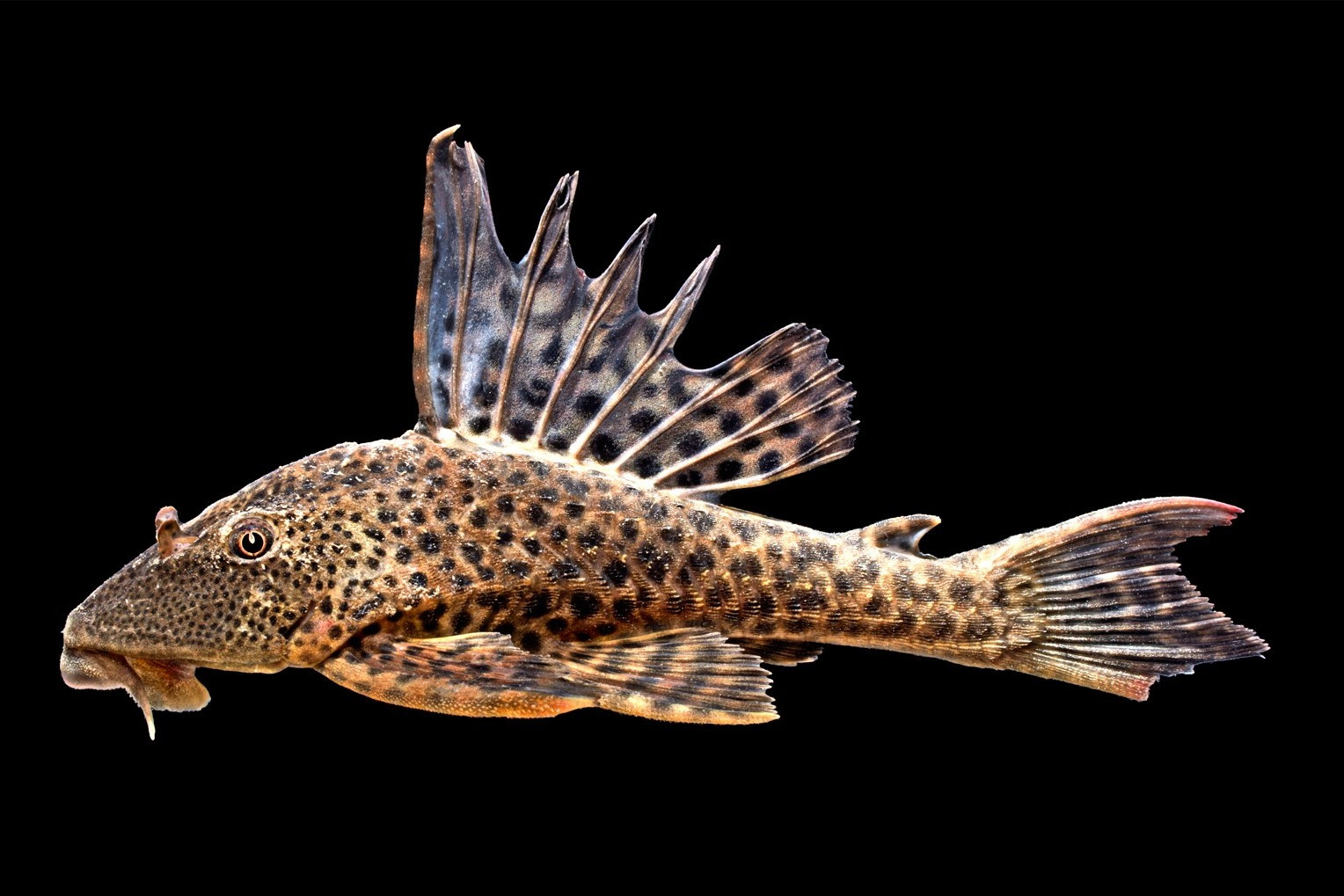
Photo: Collected
The suckermouth catfish, originally found in the Amazon basin, has spread to all the sixty-four districts of the country pushing other fishes to near-extinction in both rivers and smaller water bodies.
Amid the growing concern over its spread and consistent lack of research, the positive aspects of farming the fish are being ignored. Many countries have started embracing the fish for multiple productive use.
For the time being, Bangladeshi fishermen and fish traders only have to account for the bad effects. Many fishermen have reportedly even changed their profession, thanks to the “sucker fish” destroying the inland water ecosystem and depopulating marketable fish.
In rivers like Buriganga and Turag, fishermen barely catch anything other than the suckermouth catfish, banned from trading due to health-related issues. However, the ban would be grossly inadequate, if authorities fail to check the fish’s rapid proliferation.
The fish has a covetous appetite, reproduces rapidly and its sharp fins cause significant injuries , and consequently death, among the other fish populations.
Bangladesh Fisheries Research Institute (BFRI) Director General Dr Anuradha Bhadra has told reporters that there is no doubt the “sucker fish” has spread to almost every region of the country. It has been found not only in unregulated areas but also in BFRI’s reserved ponds.
BFRI Scientific Officer Rabiul Awal said the fish has been found to contain cadmium, which is very harmful for the human body. Research is needed to learn how the fish consumed cadmium, but could not be undertaken due to shortage of funds.
After the fish was banned, authorities shelved the research plans, Rabiul Awal said.
In 2022, the then Awami League administration banned the fish out of health concerns. The fisheries department published leaflets on the bad effects of the fish. But, policymakers took no further initiative.
However, like in other countries, the covetous fish can also be put to good use through proper research works, an initiative repeatedly ignored at the government level. So far, authorities have only resorted to highlighting the fish’s harmful effects.