



 For all latest news, follow the Daily Sun's Google News channel.


Almost every day when I open social media, I come across mental health professionals telling the story of a client, whether in a video, a podcast episode, or a written post. This trend has grown steadily over the past four or five years. As a clinician and a member of this same professional community, it pains me to see it.
You may ask why. What is wrong with mental health professionals sharing these stories? Are they raising awareness about mental health?
That is where my questions begin. Are they really promoting mental health? Whose interest does such disclosure serve? Is the aim to empower people with lived experience, or are these stories being used to build a following and grow the practice? I do not doubt that some who post them mean well. But good intentions do not make a practice ethical, and what happens to the person in the story matters more than the intention behind it.
Consider the pseudonym. In most of these posts and videos, the only thing hidden is the client's name. Everything else is revealed, from details that make the person identifiable to the most private aspects of their distress. In a society as closely connected as ours, a relative, colleague, or neighbour can recognise the person simply by listening.
Now imagine that you shared your most painful moments in a room you believed to be safe. And months later, you scroll past your own story, told in someone else’s voice, with thousands of comments beneath it. For many, this can be re-traumatising. It can reopen wounds they were working to heal, break their trust in the person in whom they confided, and expose them to stigma and conflict at home. Changing a name is not the same as protecting an identity. As mental health professionals, our first responsibility is to do no harm, and our ethical codes are clear on what that means for client stories.
Client information may appear in public only when the person is adequately disguised, has given written consent, or when disclosure is legally authorised. A pseudonym alone meets none of these criteria. The trust a client places in us does not end when the session does. It extends into every story we choose to tell.

The harm does not stop with one person. Others going through similar struggles see these posts too, and what they learn is that what you say in therapy might end up online. This is known as the chilling effect. When people fear their privacy will be violated, they hold back. They become mistrustful, feel exposed and withdraw.
In Bangladesh, where stigma already keeps so many from seeking help, we cannot afford to give people another reason to stay away.
Then there is consent. How many of these stories are shared with genuine, informed consent? Consent to treatment is not consent to publication. And consent given by someone in distress to a therapist or psychiatrist is rarely open-ended. Meaningful consent means the client knows exactly what will be shared, where and why, and can withdraw that consent at any time. Once something is online, it is almost impossible to take back.
So, what can we do?
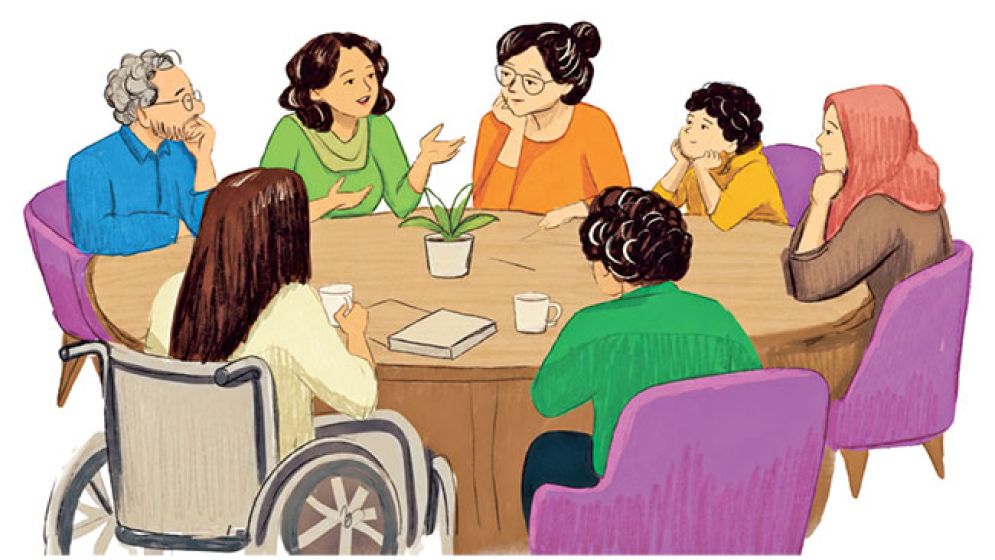
If you are a mental health professional, step back and make room. Give people with lived experience the microphone, a seat at the table, the opportunity to tell their stories themselves. Let them decide how much to share, in what form and for what cause.

For organisations and institutions, it means recognising lived experience as expertise and paying for it. People with lived experience should help design mental health programmes and services, and shape national policy.
The World Health Organization’s 2023 framework on meaningful engagement with people living with non-communicable diseases and mental health conditions offers practical guidance on how to do this. Those with lived experience belong in the front row of every dialogue we hold on, not as case studies in someone else's presentation.
10th October is the World Mental Health Day and this year’s theme is "Lived Experiences Heard: Real Voices, Real Change." Hearing lived experience is not the same as telling it. For those of us in the mental health profession, change can begin by asking two questions before we post, record or publish: whose story is this, and who should be telling it?
When people speak for themselves, on their own terms, stigma diminishes and trust grows. That is how we truly promote mental health: not by sharing our clients' stories, but by creating space for them to tell their stories themselves.
_________________________________________
The writer is a clinical psychologist; and CEO and Co-Founder of The Compassion Collaborative