


 For all latest news, follow the Daily Sun's Google News channel.


A recent job circular by a leading Bangla daily fuelled intense criticism on social media, particularly from academia. The daily was looking for new journalists, but, in terms of educational qualifications, it left out Journalism and Media Studies, albeit intentionally. As soon as the circular caught attention, some journalism teachers from leading universities instigated an outcry, defending their field’s necessity and that particular daily’s questionable action. But a few of them asked the question: why has the media industry itself begun to limit journalism graduates from joining their newsrooms? Is it a lone incident, or are there any longstanding issues obscuring the general view?
Journalism and Media Studies is not a core subject; it is a practical discipline with courses related to everyday newsroom activities, such as translating, editing and reporting. To give the discipline a core image, Bangladeshi media faculties infused communication with it, a discipline enriched with theories and viewed as the core field from which Journalism and Media Studies originate. But this image is also not quite correct, as most of the theories that media students learn through studying communication have come from other core fields of Social Science, namely Political Science and Sociology, and even from scientific core disciplines like Psychology. Still, Bangladeshi students studying Media Studies at universities are provided with a false idea from the beginning that they are studying a unique subject that is half theoretical, half practical, with a big industry waiting to welcome them after their graduation. The recent job circular by the leading daily has shattered this illusion.
The problem is not that Media Studies as a discipline lacks its own core elements. The whole agenda of higher education is to give students an interdisciplinary knowledge base, a universal education and prepare them for various career tracks after graduating from universities. The problem arises when students graduate from universities without knowing what their background had prepared them for and, most worryingly, when they lack knowledge and skills in the field they intend to spend the rest of their lives in.
Most Media Studies graduates are unable to write a simple headline or an introduction paragraph for a news report at the early-career stage. When these graduates are given a moderate news report to translate, for example, from Bangla to English, they either use ChatGPT to learn simple terms or use those words and sentence structures that don’t apply to everyday, deadline-focused journalism. This is why I understand the frustration that the leading daily must have felt when advertising their job circular, and their omission of Media Studies from their criteria must have been a conscious choice.
As a Journalism graduate myself, I can give some personal examples to make my point clear. Throughout my bachelor’s, I have completed courses in reporting, editing, and translation. Still, when I entered the newsroom of one of the country’s biggest media outlets just two months after my graduation, I could not write an editorial in English properly. I tried my best for six months, but every editorial I wrote required substantial checking, and after six months, I called it quits due to sheer frustration. I graduated with a Journalism degree with a top score from one of the top public universities in Bangladesh, and based on that record was given an opportunity at one of the top media outlets, but I failed. This is not a single incident; it happens with most Journalism graduates because the lessons that these graduates learn at universities are not compatible with the everyday newsroom expectations.
So, if a leading media outlet decides that they will move away from recruiting novice, inexperienced Journalism graduates and give opportunities to graduates from core disciplines, they might not be wrong in their assessment. A graduate with a core degree will at least have some subject-matter knowledge, understand basic terminologies, and provide the newsroom with unique, specialised points of view, qualities that are rare to find in Journalism graduates.
Unless the Media Studies departments in Bangladeshi universities update their curriculum, expand their collaboration with top media outlets, prepare their students with much-needed writing, communication and multimedia skills needed for digital newsroom operations; most importantly, set requirements for their faculty members to think differently and acquire the practical knowledge firsthand and disseminate it among their students as per industry needs, graduates from Media Studies will be in trouble. Media studies is one of those few educational disciplines in Bangladesh which has a vibrant industry of its own with many newspapers, television channels and multimedia portals actively running. If proper initiatives are not taken, then a day might come when this discipline will become a laughingstock everywhere, as has happened with disciplines like Philosophy and Religious Studies.
As a Journalism graduate and a practising journalist, I do not want to see that day. This is why I am urging everyone associated with the Media Studies discipline to come of age, understand the shifts inside the industry, and prepare accordingly, both personally and while giving lessons to their pupils. This is an urgent request.
__________________________________
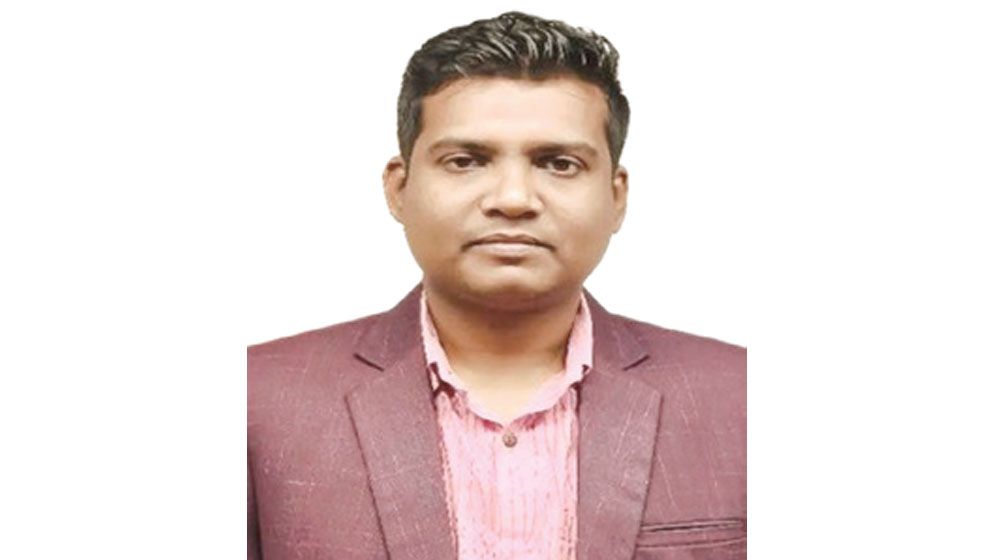
The writer is a Sub Editor at Daily Sun. He can be reached at [email protected]