


 For all latest news, follow the Daily Sun's Google News channel.


7 Nov spirit served as driving force behind July Revolution: Rizvi
Daily Sun Report, Dhaka
Published: 06 Nov 2026, 11:13 PM
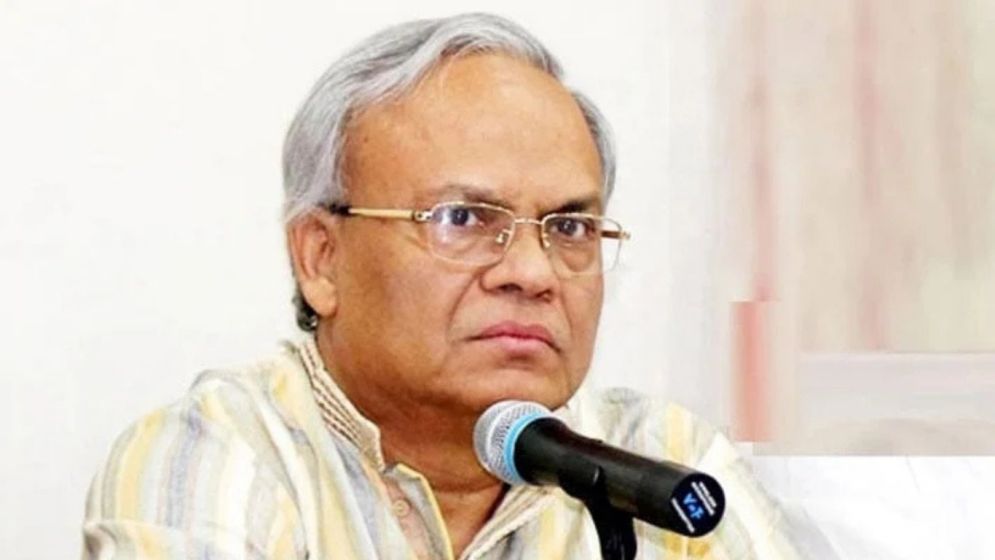
BNP acting secretary general Ruhul Kabir Rizvi. File Photo
BNP acting secretary general Ruhul Kabir Rizvi said on Friday that the spirit of 7 November served as the driving force behind the July Revolution, which led to the downfall of the Sheikh Hasina-led government.
He made the remarks in a message on the occasion of National Revolution and Solidarity Day, which will be observed on Saturday.
Rizvi said, “7 November is a historic and unforgettable day in the national life of Bangladesh. On this day in 1975, soldiers and people took to the streets with a firm commitment to safeguarding the country's independence and restoring the democracy they had lost.
“The historic revolution of 7 November carries immense significance. In the aftermath of independence, the then ruling group, driven by its own interests, put national independence at risk and pushed the country towards subjugation under the grip of domination. It took away people's freedom of expression, introduced a one-party system and unleashed misrule. All opposition political parties were banned, and a single political party, BKSAL, was formed. Newspapers expressing dissenting views were also banned. The country plunged into severe unrest and anarchy.”
The BNP leader said, “At this critical juncture in the history of the motherland, conspirators on 3 November 1975 detained the great proclaimer of independence, Ziaur Rahman, along with his family, inside the cantonment. Against this suffocating backdrop, on 7 November, fearless patriotic soldiers and people took to the streets to defend the freedom of their motherland, creating an unprecedented display of solidarity, which led to Ziaur Rahman's release.”
He said, “Following this change in the political landscape, the country's independence and sovereignty gained a stronger footing under the leadership of President Zia. Democracy was freed from its shackles, and people regained their civil liberties. The journey of multiparty democracy began from that day. A sense of relief returned to people's lives, while production and prosperity began to flow across the country. The foundation of a self-sufficient economy was laid, and Bangladesh moved towards self-reliance.
“Local collaborators of foreign powers, considering President Zia an obstacle to achieving their objectives, assassinated him in 1981. Although Zia embraced martyrdom, people inspired by his ideals remain firmly committed to safeguarding the country's independence and democracy.”
Rizvi said that for the past 17 years, the fascist government had ruthlessly used the state machinery to perpetuate its grip on power and completely suppress people's freedom of expression.
Enforced disappearances, killings and a culture of crossfire became defining features of the state, he said.
Through relentless repression, hundreds of thousands of leaders and activists were implicated in false cases and persecuted, while the ‘symbol of democracy’, Begum Khaleda Zia, was also kept behind bars, he said.
“In July 2024, a historic mass uprising took place, culminating in the fall of Sheikh Hasina on 5 August. The spirit of 7 November was the driving force behind the July Revolution. Therefore, the significance of the historic Sepoy-Janata (Soldiers-People) Revolution of 7 November remains immense even today,” the BNP leader said.
Rizvi extended his heartfelt greetings and congratulations to the people of the country on the occasion of National Revolution and Solidarity Day.