


 For all latest news, follow the Daily Sun's Google News channel.


Liberation War, Bangabandhu cannot be erased from DUCSU: ASM Rab
Daily Sun Report, Dhaka
Published: 14 Sep 2026, 11:54 PM
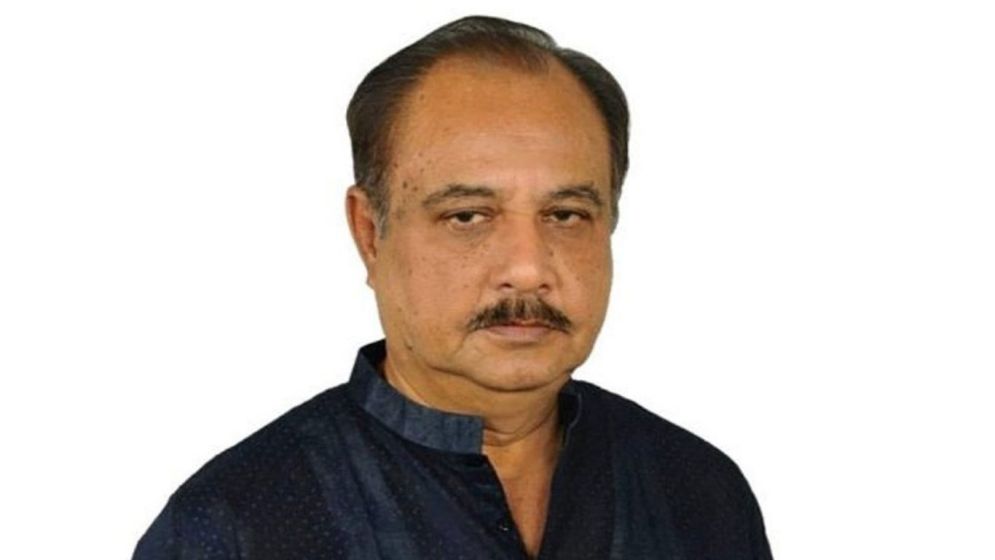
Jatiya Samajtantrik Dal (JSD) President and former DUCSU VP ASM Abdur Rab has said there is no scope to erase the roles of the Liberation War and Bangabandhu from the Dhaka University Central Students’ Union (DUCSU) history.
In a statement sent to the media on Monday, Rab said the current exhibition at the DUCSU Museum appeared to show a tendency to obscure the historical achievements of Bangladesh’s Liberation War and the continuity of the struggles that preceded it.
He said historical symbols and contributions associated with the Language Movement, the movement for autonomy and the struggle for independence should not be obscured in the name of “reorganising history”.
“If the historical roles and symbols of these movements are concealed while individuals representing political positions opposed to Bangladesh’s aspiration for independence are given prominence, it cannot be considered an objective presentation of history. Rather, it amounts to a practice of distorting history,” he said.
Rab said history should not be determined by anyone’s political preferences or personal considerations.
“The DUCSU Museum is not a place to display the history of any political party. It is an important record of the struggles of Bangladesh’s student community, the Language Movement, the movement for autonomy and the country’s struggle for independence,” he said.
He called for historical truth, continuity, context and objectivity to be the main considerations in preserving and presenting DUCSU’s history, instead of political vendetta, partisan loyalty or selective memory.
Rab also referred to media reports that three photographs of Pakistan’s founder Muhammad Ali Jinnah had been displayed at the DUCSU Museum.
He said one of the photographs showed Jinnah delivering a speech at the then Racecourse Maidan on 21 March 1948, when he declared that Urdu would be Pakistan’s only state language.
According to Rab, Jinnah’s statement was not part of the struggle or history of Bangladesh’s student community but rather a historical document representing a position contrary to the Bengali people’s struggle for linguistic rights, identity and political rights.
He questioned why no photograph of Bangabandhu Sheikh Mujibur Rahman’s historic 7 March speech had been displayed at the museum, despite its direct connection with the country’s struggle for independence and the historical continuity from the 1952 Language Movement to the movements for autonomy and independence.
Rab also said the 2024 mass uprising did not take place to erase one chapter of history and create a new political history.
He said the uprising emerged from people’s aspirations for rights, democracy, human dignity and accountability in state power.
“After the mass uprising, if one side’s memories are erased and the symbols of another side are established in the name of reorganising history, it is not the liberation of history but another form of political use of history,” he said.
He protested against such practices.