
 For all latest news, follow the Daily Sun's Google News channel.


Ethical teachings of Wisdom literature
Reverend Martin Adhikary
Published: 28 Nov 2025, 12:00 AM

Right from the dawn of civilisation, mankind faced the question of the difference between good and bad, right and wrong, just and unjust, etc. This is a vast issue, indeed. In every culture, clime and society, people have found sources of guidelines for dealing with this perennial question. Nature, human behaviour, reason and different religious teachings help form the mindset for this. To begin with, the Hebrew wisdom inherently concerns practical life rather than being speculative. Hebrew sages put the prophetic message as a whole in the language of down-to-earth life for the good of people at large and for the individual – for the sum mum bonum of the life of people to be meaningful and enjoyable. And it is indeed very theologically rooted even as it comprehends all social and moral relationships and conditions of people in the society. Ideally, it centres on the relationship between God and his creation at large. God is the sovereign and all-knowing creator, provider and judge, and he concerns himself with the life and existence of all his creation and loves the wellbeing of all. God is good. He is the all-wise, righteous protector and judge of all people. These constitute the foundation of the ethics and morality of the ancient Hebrew sages. Proverbs says, “By wisdom the LORD laid the foundations, by understanding he set the heavens in place. My son, preserve sound judgement and discernment; do not let them out of your sight; they will be life for you… Do not plot harm against your neighbour… The wise inherit honour, but fools he holds up to shame.” (Proverbs 3:19-35). In the words of reputed theologian Wheeler Robinson, Hebrew wisdom is “the discipline whereby was taught the application of prophetic truth to the individual in the light of experience.”
Righteous and holy God requires man to be righteous and holy. Righteousness in the Bible means justice. Holiness implies separating oneself from evil. All these are vital to the growth and nurture of the human spirit of love, justice and equity in society for the lasting benefit, well-being and happiness of people.
The ethics revealed in the Wisdom books in the Old Testament are rooted in the aspiration of mankind seeking a good, truly prosperous and honest life, not something like “a pie in the sky”.
This ethical teaching is founded in the vision that a wise man’s life is one that is lived in right relationship with the will of God; life lived in harmony with God’s well-ordered creation. The frequently used phrase in Proverbs – “The fear of the LORD is the beginning of wisdom” – points to love and respect for God and godly values. This is an approach that emphasises practically ennobling attitude to life and living in the community characterised by diversities. True peace and harmony in diversity are ensured in a morally and ethically lived community. God is the ultimate source and guide of all ethical life. The world is viewed as an ethically ordered system. A balanced and ordered system operates in creation. Humanity is to live in order and harmony in their moral and ethical life.
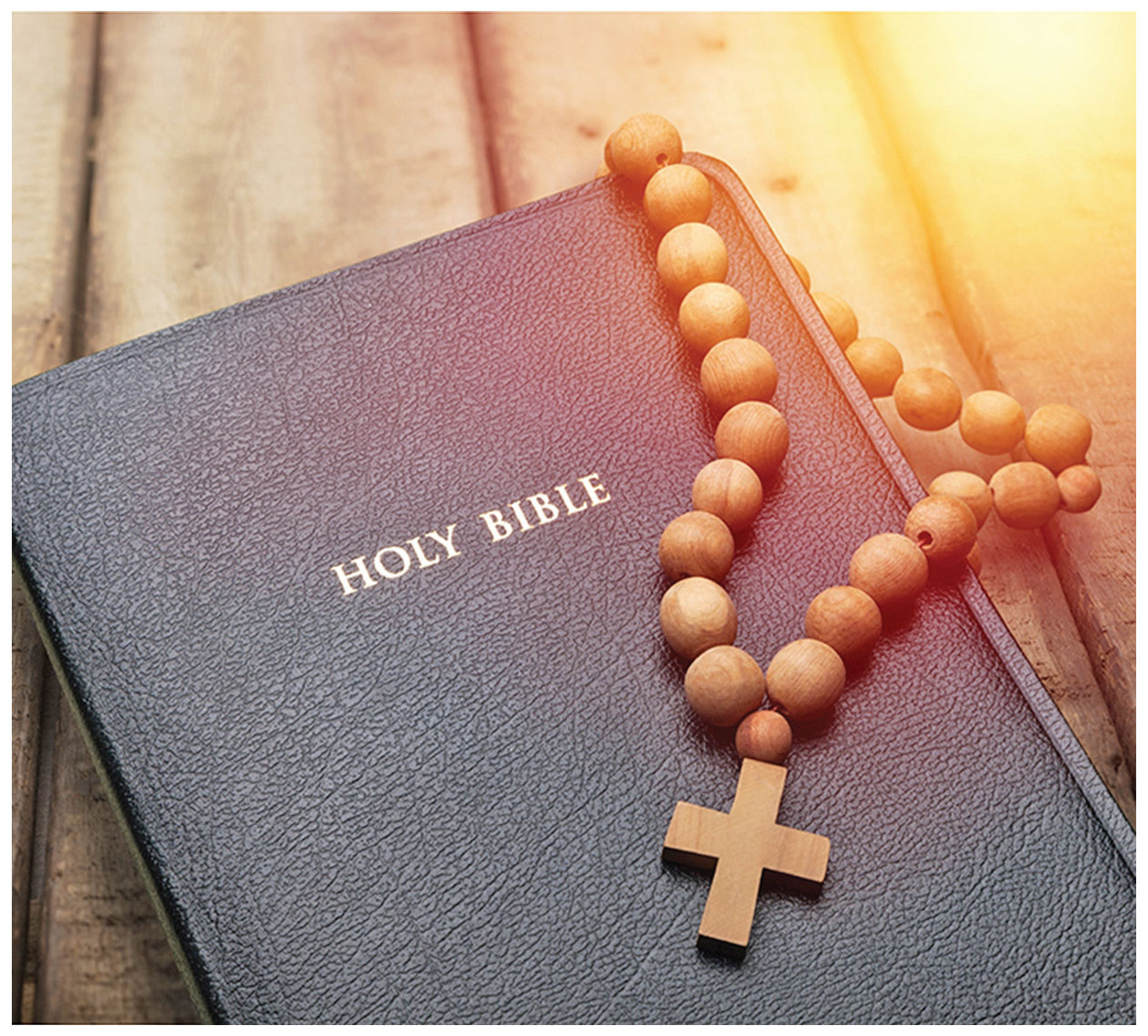
The ethics and morality preached by the ancient sages transcends all religious, ideological or any other barriers. The good life of man is at the centre of all such teaching. By nature, and of necessity, this morality addresses all areas and aspects of human life: birth, life, death, marriage, love, anger, hatred, vengeance, labour, sex, adultery, and so on and so forth.
Great ethical teaching is found from the life and sufferings of Job. His patience in sufferings and his proverbial innocence, patience, trust and devotion to God furnish great ethical lessons about his deep faith in the divine sovereignty (Job 29-31). Psalms provide us with a great wealth of teachings on living a just and honest life. To quote Psalm 15, “LORD, who may dwell in your sanctuary? Who may live on your holy hill? He whose walk is blameless and who does what is righteous, who speaks the truth from his heart and has no slander on his tongue, who does his neighbour no wrong and casts no slur on his fellowman, who despises a vile man but honours those who fear the LORD, who keeps his oath even when it hurts, who lends his money without usury and does not accept a bribe against the innocent. He who does these things will never be shaken.” Solomon, the wisest king of his time, declared that without any reference to God, everything under the sky or the heavens is meaningless.
Vanity, everything is vanity! Solomon deplored, “‘Meaningless! Meaningless!’ says the Teacher. ‘Utterly meaningless! Everything is meaningless!’” The theme of “meaninglessness” runs throughout the book titled ‘Ecclesiastes’. There is nothing eternal, nothing new under the sky. But he remarkably concludes the book with these words: “Of making many books there is no end, and much study wearies the body. Now all has been heard; here is the conclusion of the matter: fear God and keep his commandments, for this is the whole duty of man. For God will bring every deed into judgement, including every hidden thing, whether it is good or evil.” (Ecclesiastes 12:13-14).
______________________________________
The writer is a Christian Theology teacher and Church leader