



 For all latest news, follow the Daily Sun's Google News channel.


Under the bright sun of the Mediterranean coast, the 31st Conference of the Parties to the United Nations Framework Convention on Climate Change (COP31) officially opened on November 9 2026, in Antalya. Gathering over 90 heads of state, nearly 300 ministers, and thousands of delegates from 196 countries, the summit faces a decisive turning point in global climate governance. Billed explicitly as the ‘Implementation COP,' the conference marks ten years since the Paris Agreement entered into force, shifting the international spotlight from theoretical ambition to the gritty, urgent realities of execution.
The opening proceedings established a pragmatic yet demanding tone. Addressing a packed plenary hall, UN Climate Change Executive Secretary Simon Stiell delivered a stark assessment of the global state of play. While celebrating unprecedented momentum in green technology, highlighted by global clean energy investments reaching a record $2.2 trillion, Stiell warned that the world remains dangerously off track from its climate safety goals.
“No COP is a silver bullet. No single conference can bridge the chasm between the science and reality,” Stiell told delegates. “We must deal with the world as it is, not as we might wish it to be. Every recent COP has delivered strides forward. COP31 must supercharge solutions, close the implementation gap, and deliver tangible results for the people living on the frontlines of this crisis.”
A Novel Diplomatic Experiment: Joint Leadership
COP31 enters historic territory not only because of its pressing agenda but also because of its unprecedented governance structure. Following an intricate compromise negotiated at COP30, the summit is operating under a split presidential model. Türkiye holds the official COP Presidency, led by Minister of Environment, Urbanisation and Climate Change Murat Kurum, while Australia’s Minister for Climate Change and Energy, Chris Bowen, serves as the ‘President of Negotiations.’
This arrangement aims to combine host-country logistics and regional diplomacy with focused technical facilitation across the negotiation tracks. In his opening address, Minister Murat Kurum highlighted the host nation’s ambition to act as a bridge between divided political blocs. “This is Antalya's call: let dialogue grow as divisions deepen,” Kurum declared. “We must restore trust where it is under strain and put financial and technological resources to work where needs grow fastest. Climate policy can no longer be viewed in isolation; it is deeply tied to economic resilience, food security and human dignity.”
Taking the floor to outline the negotiation roadmap, Chris Bowen directly addressed the sobering scientific context hanging over the conference. “The latest science tells us that we will overshoot the 1.5°C threshold,” Bowen noted. “But overshoot does not mean defeat. We can still bring temperatures back down if we work together and act with urgency, solidarity and absolute resolve in the technical rooms this fortnight.”
Electrification Push and Methane Abatement
A major highlight of Day 1 was the unveiling of the 35-by-35 Global Electrification Pledge, a key presidential initiative designed to serve as an operational benchmark for energy transitions. The pledge sets an ambitious target: raising electricity’s share of final global energy consumption from approximately 20% to 35% by 2035.
Proponents argue that mass electrification powered by renewables, combined with aggressive abatement of short-lived climate pollutants like methane, represents the most rapid pathway to curbing mid-century warming. During the technical briefings, UN officials referred to this dual approach as a critical ‘planetary icepack’, a targeted intervention capable of shaving nearly half a degree Celsius off projected global temperature trajectories if executed immediately.
However, the proposal immediately encountered nuanced reactions in the negotiating corridors. While several European nations and island states welcomed the clear target, representatives from oil-producing states cautioned against imposing rigid sectoral mandates without adequate flexibility for national energy mixes.
Finance Disparities and Frontline Vulnerabilities
While the financial headlines celebrate a $2.2 trillion global surge in clean energy capital, negotiation rooms quickly brought the stark inequities of that figure into sharp focus. The overwhelming majority of clean energy investments remain concentrated in major developed economies and emerging markets, leaving Least Developed Countries (LDCs) and Small Island Developing States (SIDS) stranded in financial starvation.
Delegates from the Alliance of Small Island States (AOSIS) and the African Group of Negotiators reiterated that current multilateral channels move far too slowly. Highly vulnerable states continue to face staggering borrowing costs, mounting debt burdens and prolonged delays in receiving approved adaptation funds.
For Bangladesh, a frontline state facing compounding threats from sea-level rise, coastal salinity, and devastating flash floods, the priorities for COP31 are clear and uncompromising. Bangladeshi delegates and climate experts at the venue emphasised that victory in Antalya will be measured by direct financial access rather than high-level political manifestos. “Developing countries cannot adapt to escalating climate impacts on borrowed money,” noted a senior Bangladeshi negotiator during informal opening discussions. “Adaptation finance must be delivered as direct, predictable grants. Furthermore, the Loss and Damage Fund must transition rapidly from operational frameworks to actual disbursements for communities suffering immediate destruction.”
Bangladesh’s delegation is also monitoring negotiations on Article 6 (carbon markets) and the Global Goal on Adaptation (GGA), pushing for standardised metrics that hold historical emitters accountable while protecting vulnerable populations, coastal agriculture, and climate-displaced citizens.
Civil Society and Road Ahead
Outside the secure negotiation zones, civil society organisations, youth movements and indigenous representatives made their presence felt early. Demonstrators gathered near the Antalya venue, calling for a fast, fair and fully funded phase-out of all fossil fuels and demanding that major economies honour historical financial commitments.
Inside the halls, civil society leaders warned against allowing ‘overshoot scenarios’ to normalise inaction or justify risky geoengineering proposals. They insisted that keeping 1.5°C within reach requires immediate reductions at the source, backed by robust public funding mechanisms.
As Day 1 drew to a close, delegates prepared for a dense schedule of ministerial roundtables and bilateral consultations. With the diplomatic framework established and the agenda adopted, COP31 now enters the critical phase where political promises meet line-by-line legal negotiation. The success of the Antalya summit will ultimately depend on whether world leaders can translate the rhetoric of implementation into enforceable, equitable action.
_______________________________________________
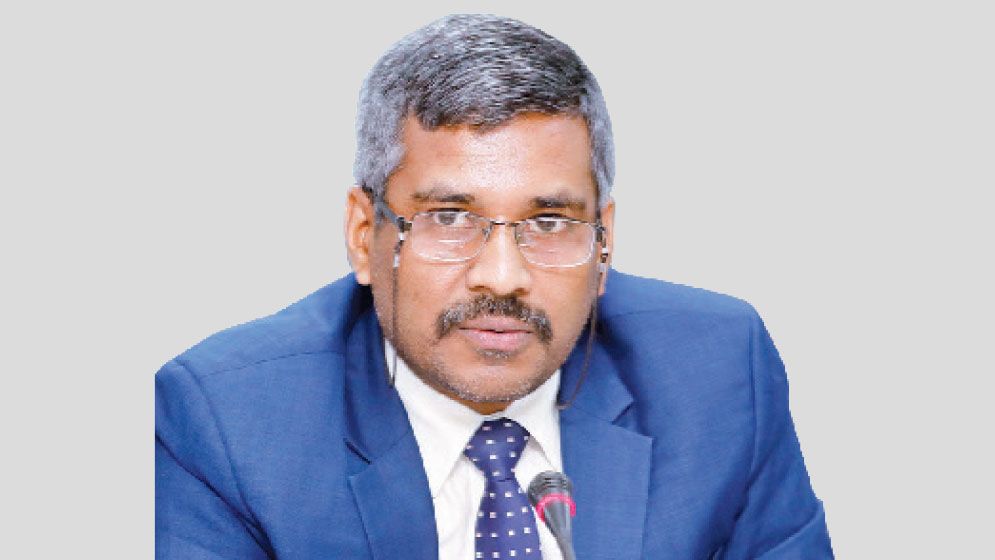
The writer is Professor, Department of Environmental Science, Dean-Faculty of Science, Stamford University Bangladesh, Environmental Scientist. He can be reached at [email protected]