



 For all latest news, follow the Daily Sun's Google News channel.


The Quiet Work of Care: Why Ordinary Caregiving Deserves Public Recognition
Care can also alter relationships

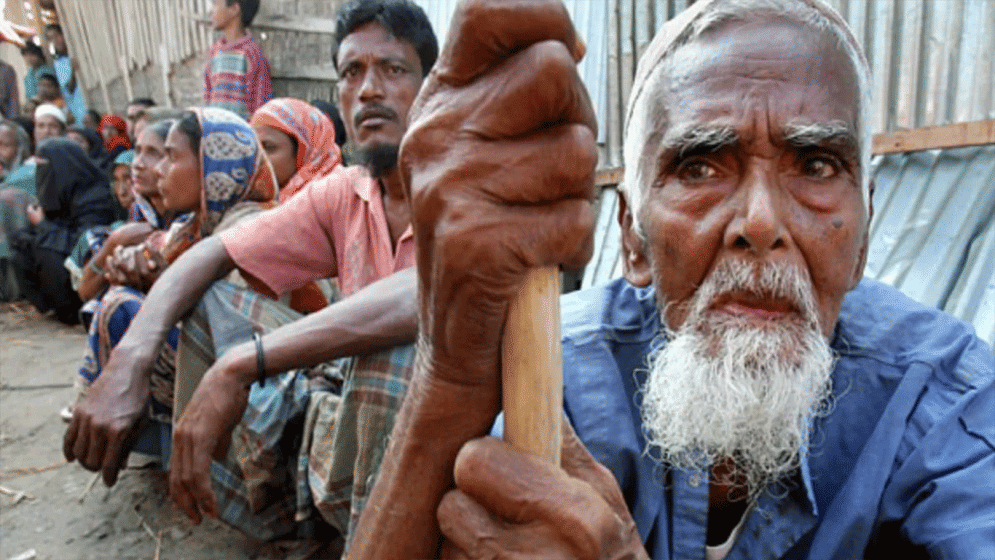
Photo: Collected
Caregiving can be a source of closeness and purpose. It can also be
tiring, costly and difficult to combine with paid work. Both truths matter. To
recognise care properly is neither to romanticise sacrifice nor to suggest that
family members should withdraw from one another. It is to ask how families,
employers and public services can share the responsibility more fairly.
Care is part of social life
Care is broader than assistance given to older people. It includes
support for relatives recovering from illness, people with disabilities and
family members who need help with everyday activities. Some needs last for
weeks; others continue for years. The work may involve direct physical help,
but also the quieter effort of planning, coordinating appointments, monitoring
changes and responding when something goes wrong.
This work has value even when no money changes hands. It can help someone
remain at home, preserve familiar relationships and take part in family life.
It can also make paid employment possible for other members of the household.
The World Health Organization describes long-term care as a combination of
personal, social and medical support intended to protect people’s functional
ability, rights and dignity. Informal care by relatives, friends and neighbours
is an important part of that picture.
But family care should not be treated as an unlimited resource. A person
who needs daily support may require more assistance than one relative can
safely provide. The caregiver may also have a job, children, health needs or
financial responsibilities of their own.
The unequal distribution of time
Bangladesh’s first national Time Use Survey, conducted by the Bangladesh
Bureau of Statistics with UN Women, offers an important measure of unpaid work.
It found that people aged 15 and over spent an average of 5.9 hours a day on unpaid
domestic and care work for women, compared with 0.8 hours for men. The combined
figure includes household work as well as caregiving, so it should not be read
as time spent solely caring for older or sick relatives. Still, it shows how
unevenly unpaid work is distributed.
The pattern is also visible globally. The International Labour
Organization estimated that, in 2023, 748 million people were outside the
labour force because of care responsibilities: 708 million women and 40 million
men. These are global estimates, not a measure of the situation in Bangladesh
alone. They nevertheless show how care can restrict access to paid employment,
particularly for women.
Care responsibilities are not shared in the same way by every family.
Gender expectations can direct more care towards women and girls, but men also
provide care, including for spouses, parents and relatives. Income matters too.
Households with greater means may be able to pay for transport, domestic help
or professional support. Lower-income households may have fewer alternatives,
while the person providing care may be unable to reduce paid work without
risking the family’s income. Age and family structure also matter: an older
spouse may be caring for another older person, adult children may be supporting
parents while raising children of their own, and relatives working away from
home may contribute money without being available for daily tasks.
The costs that do not appear on a bill
Care can affect household finances directly through medicines, travel,
equipment, paid assistance and lost earnings. It can also carry costs over
time. A caregiver who turns down overtime, moves to part time work or leaves a
job may lose income and career opportunities. These effects depend on the care
needed, the duration, the household’s resources and the flexibility of the job.
They are not identical for everyone.
The effects on wellbeing are equally varied. Some caregivers describe
their role as meaningful; others experience fatigue, worry or isolation, and
some experience both at once. WHO’s work on long-term care recognises that
caregiver training and support are relevant to the wellbeing of caregivers as
well as the people receiving care. Support should therefore include practical
information and the chance to rest, not just praise for being patient or
devoted.
Care can also alter relationships. Decisions about who provides help, who
pays and whose time is considered available may create tension among relatives.
The person receiving care may feel that independence or privacy is slipping
away. A caregiver may feel guilty for needing a break. Respectful care protects
both people’s dignity: it asks what assistance is wanted, involves the care
recipient in decisions where possible and recognises that caregivers have
limits.
What support could look like
Families can begin by making the work visible. A practical discussion can
identify what needs to be done, how often, who is able to help and what the
care recipient prefers. Tasks can be shared according to time, distance, skills
and resources rather than assigned automatically to one person. Contributions
need not be identical: one relative might attend appointments, another arrange
transport, and another contribute to expenses. These are practical proposals,
not a guarantee that every family has enough people or money to divide the work
evenly.
Employers can make it easier for staff to manage care without forcing
them to disclose more personal information than necessary. Options might
include predictable schedules, limited flexibility around appointments, short
periods of care leave and a clear process for discussing temporary adjustments.
Such measures are proposals for workplaces to consider; their feasibility will
differ between large organisations, small businesses and jobs that require a
person’s physical presence.
Public services have a broader role. Bangladesh has some relevant
foundations, including a National Policy on Older Persons and an Old Age
Allowance. However, a peer reviewed study of ageing policy in Bangladesh, based
on interviews with policymakers and other stakeholders, found limited policy
attention to older people’s care needs. It also cautions against treating a
cash allowance as a substitute for the different forms of support people may
need. This is one study, not a complete evaluation of every programme, but it
points to a gap between income support and everyday care.
A realistic starting point could be to strengthen accessible services
through existing health and community structures: clear referral information,
basic caregiver guidance and short periods of substitute care where local
capacity permits. Building such services would require funding, trained staff
and careful assessment of needs. It should be approached as a gradual public
responsibility, not an assumption that communities can provide professional
support without resources.
Germany offers one example of formal recognition. Under its long-term
care insurance system, eligible family caregivers may receive pension
contributions, subject to conditions including the care recipient’s assessed
care grade and the amount of care provided. German rules also provide up to ten
working days of absence in an acute family care situation, with a care support
allowance for eligible employees who lose pay. These arrangements depend on
Germany’s insurance and employment systems; they cannot simply be transferred
to Bangladesh. Their value as an example lies in recognising that care can
affect both immediate income and later social security.
Recognition must lead to support
Public recognition begins with language, but it cannot end there. Calling
caregiving valuable means little if caregivers have no information, time to
rest, workplace flexibility or access to services when needs exceed what a
household can manage. Nor should support imply that family care is inferior.
Families often know the person best and may wish to remain closely involved.
The aim is to make that involvement sustainable and respectful.
Care will always be personal, but its consequences extend beyond the household. It affects who can work, who advances, who bears financial risk and whether people receive help with dignity. A society that values care should honour family commitment while ensuring that love is not asked to replace time, income, training and public support