



 For all latest news, follow the Daily Sun's Google News channel.


Measles in Pregnancy: A Preventable Threat We Cannot Ignore
Beyond the immediate illness, measles can result in life-threatening complications
Dr Shiffin Rijvi
Published: 17 Jul 2026, 08:45 PM
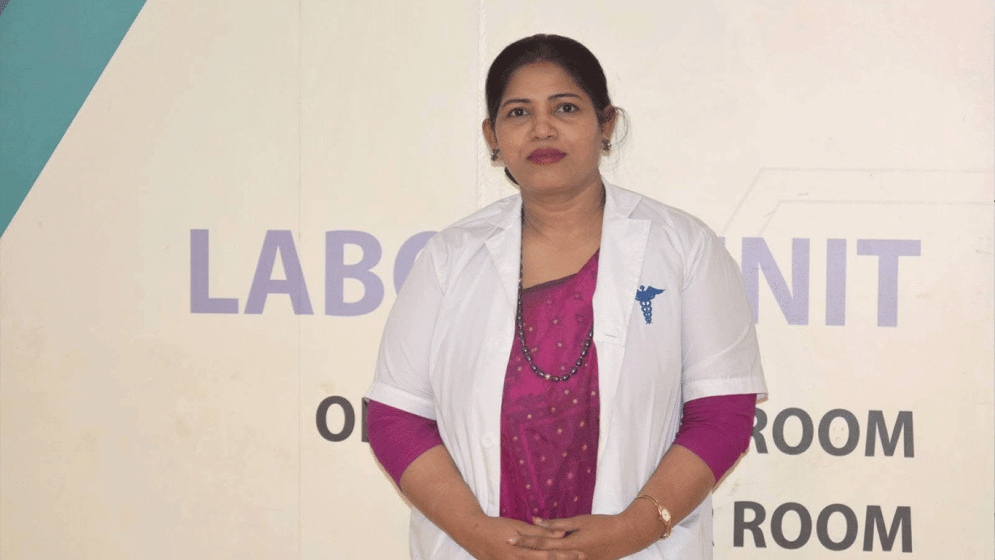
Photo: Courtesy
The recent resurgence of measles is more than a public health concern–it is an urgent warning, particularly for pregnant women. Once considered a disease largely under control through vaccination, measles is making a dangerous comeback in many parts of the world, placing expectant mothers and their unborn babies at significant risk.
Measles is a highly contagious viral disease caused
by a single-stranded RNA virus of the Morbillivirus genus. It spreads through
airborne respiratory droplets and is so infectious that the virus can remain
viable in the air for up to two hours after an infected person has left the
area. Humans are the only known natural host, making widespread vaccination the
most effective means of prevention.
Pregnancy significantly increases the severity of
measles infection. Studies have shown that the risk of death from measles is
substantially higher among pregnant women than among the general population.
Infection during early pregnancy also raises the likelihood of miscarriage,
while maternal illness can lead to serious complications such as high fever,
dehydration, pneumonia, breathing difficulties, and severe respiratory
inflammation.
The disease typically begins with fever, cough,
malaise, and conjunctivitis, followed by the appearance of Koplik spots inside
the mouth and a characteristic red, maculopapular rash that spreads from the
face to the rest of the body. Patients are contagious from four days before the
rash appears until four days afterward, allowing the virus to spread rapidly if
proper precautions are not taken.
Beyond the immediate illness, measles can result in
life-threatening complications. Acute encephalitis, which may cause permanent
brain damage, secondary bacterial pneumonia, ear infections, and the rare but
fatal condition known as subacute sclerosing panencephalitis (SSPE) are among
its most serious consequences.
The unborn child is not spared. Measles virus can
cross the placenta, exposing the fetus to infection before birth. Congenital
measles may present with fever and rash shortly after delivery and can lead to
severe neurological complications or even death. These risks highlight why
preventing maternal infection must remain a public health priority.
Diagnosis relies on laboratory confirmation through
measles-specific IgM antibodies, RT-PCR testing of respiratory samples, urine
PCR, and molecular genotyping where available. There is, however, no antiviral
treatment that eliminates the virus. Management is supportive, focusing on
hydration, fever control, treatment of secondary infections such as pneumonia,
and close monitoring by a multidisciplinary team that includes obstetricians,
respiratory physicians, internists, and neonatologists. Hospitalisation is
often necessary for pregnant patients with moderate to severe disease.
Prevention remains the most powerful weapon against
measles. Because the measles, mumps, and rubella (MMR) vaccine is a live
attenuated vaccine, it cannot be administered during pregnancy. Women planning
to conceive should receive the MMR vaccine at least three months before
becoming pregnant. Those who were not vaccinated before pregnancy should
receive the vaccine after childbirth, as postpartum immunization is safe during
breastfeeding and helps protect future pregnancies.
As measles cases continue to rise globally, public
awareness and vaccination coverage must be strengthened. Protecting pregnant
women from measles is not only about safeguarding maternal health–it is also
about giving every newborn the healthiest possible start in life. Preventable
diseases should never be allowed to become preventable tragedies.
The writer is an associate professor of Obs &
Gynae department at Anwer Khan Modern Medical College Hospital