


 For all latest news, follow the Daily Sun's Google News channel.


Fuel Running Low: A Looming Threat to Bangladesh’s Connectivity and Economy
Sunil Issac
Published: 24 Apr 2026, 03:00 PM
The current standing of the conflict in the Middle East has moved beyond localised skirmishes into a systemic disruption of the global "energy jugular". With the Strait of Hormuz effectively blockaded since early March, the world is grappling with the largest oil supply disruption in modern history, surpassing even the shocks of the 1970s. Brent crude has surged past $110 per barrel, with analysts warning of a spike to $150 if the maritime blockade persists.
For Bangladesh, the situation is particularly delicate. As a nation that has successfully transitioned to a digital-first economy, our standing in this crisis is one of high stakes and narrow margins. While the government is working tirelessly to manage depleting fuel reserves and prioritise essential power generation, the sheer scale of the global supply crunch is testing our national resilience. We are currently caught in a pincer move: our domestic power generation is heavily reliant on imported primary fuels, yet the global market for those fuels is both prohibitively expensive and logistically compromised. This isn't just about the price of petrol at the pump; it is a "grocery supply emergency" and a "connectivity emergency" rolled into one. Shipping premiums have tripled, and global insurance providers have cancelled war-risk cover for vessels in the Gulf. For an import-dependent nation like ours, this means the very fuel required to keep our digital signals alive has become a scarce, high-stakes strategic resource that we are struggling to secure in the necessary volumes.
Geography of Vulnerability: The Multiple-Angle Hit
Geographically, the impact is not uniform. While the Global West faces "inflationary pain", emerging economies in the Global South are facing "physical depletion". Countries like Singapore, Hong Kong, and Morocco are identified as the most vulnerable due to their near-total reliance on energy imports. However, nations in South Asia, specifically countries like Bangladesh, face a unique "multiple-angle" challenge:
1. Energy Scarcity: Reliance on imported LNG and oil means physical shortages are leading to 8–12-hour load-shedding cycles.
2. Currency Devaluation: Rising fuel prices drain foreign exchange reserves, weakening the local currency against the dollar.
3. Digital Dependence: Unlike previous crises, our modern economies are now fully digital. A fuel shortage in 2026 doesn't just stop cars; it stops connectivity, the cloud, the bank, and the export office.
The Great Paradox: A Wireless World Anchored in Liquid Fuel
As the Strait of Hormuz faces unprecedented logistical disruptions, global energy benchmarks like Brent crude have seen significant volatility, occasionally testing the $110 per barrel mark. For a nation like Bangladesh, the situation isn’t merely a concern for the transport sector; it is a direct challenge to the "invisible grid" that sustains our modern life.
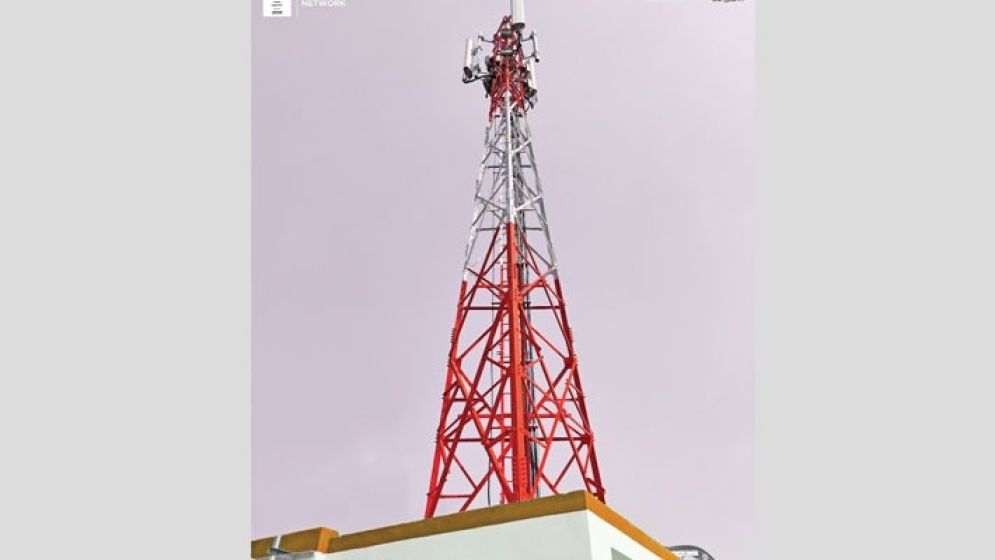
We often perceive the internet as an ethereal cloud. In reality, our digital sovereignty is anchored to the ground by over 45,000 physical telecom towers. These sites are the literal heartbeats of our economy. According to GSMA data, mobile technologies and services generate a significant portion of GDP in developing economies, but this contribution is entirely dependent on a stable, 24/7 power supply.
The Massive Fuel Requirement: Data from the Frontlines
The scale of this dependency is best understood through the raw data reported by the nation's leading TowerCos. To keep the network alive during grid failures, the industry operates a massive fleet of fixed diesel generators (DGs) and portable generators (PGs).
Industry data compiled for early 2026 reveals a staggering weekly requirement just to maintain basic uptime. Across the major TowerCos, the collective demand for Octane to run portable generators exceeds 100,000 litres per week.
When we look at upcoming projections, the risk intensifies. As we enter the high-demand summer months, the industry projects a requirement of over 1.2 million litres of fuel (740,000 L octane and 500,000 L diesel) to combat anticipated power outages in high-risk zones like Mymensingh, Khulna, and Sylhet. This is the "fuel tax" required to prevent our digital economy from going dark.
The Pandemic Lesson vs. Energy Reality
During the COVID-19 pandemic, the physical world retreated, yet Bangladesh remained functional. Connectivity served as the critical enabler of digital continuity, allowing our economy to breathe through Zoom meetings, e-commerce, and digital payments.
However, there is a fundamental distinction between a health crisis and an energy-driven telecom crisis. During the pandemic, the "pipes" of communication remained pressurised with power. An energy crisis, by contrast, threatens to shut down the pipes themselves. While a pandemic forces a change in how we connect, a fuel-starved telecom sector prevents us from connecting at all. If the fuel supply for our backup systems fails, the digital foundation we have built over two decades faces a risk of systemic collapse.
The Solar Myth: Why Renewable Energy Isn't a Quick Fix
A common question arises: if diesel is scarce, why can’t we simply run our towers on solar power? While the telecom industry is aggressively investing in renewable energy, the reality on the ground presents significant physical and technical hurdles that make a total transition impossible in the short term.
Firstly, a significant portion of our towers are "rooftop sites" located in densely populated urban areas. Installing a solar array capable of powering a modern 4G or 5G base station requires substantial surface area, space that simply does not exist on a standard Dhaka rooftop crowded with water tanks and other utilities. Secondly, telecom equipment is highly energy-intensive. Unlike a household bulb, a tower requires high-density power 24/7. During the monsoon season or consecutive cloudy days, solar output drops significantly, leaving a gap that only a diesel generator can fill to prevent a total blackout. For now, diesel remains our only reliable "fail-safe" to guarantee the network's 99.9% uptime requirement.
The "First Domino": Why Telecom is Unique
Telecom is not just another sector; it is "dependency infrastructure". It is the first domino that, if it falls, triggers a cascade of failure across every other industry:
1. Financial Continuity: Our banking system is now fundamentally digital. Industry estimates suggest that a prolonged disruption in data connectivity could impact the ICT and e-commerce sectors by billions of Taka daily.
2. The RMG Export Engine: The garment sector is now a data-driven enterprise. Even a few days of communication instability can jeopardise hundreds of millions of dollars in immediate export value.
3. Emergency Social Safety: From telemedicine to disaster alerts, the most vulnerable citizens rely on the network for life-saving information.
The Roadmap to Resilience
To sustain our digital progress, we must move from reactive management to structural resilience through three key pillars:
1. Critical National Infrastructure (CNI) Status: The government should formally designate the telecom sector as CNI. This ensures that in any energy hierarchy, telecom towers are treated with the same priority as hospitals and emergency services.
2. The "Green Channel" for Continuity: Maintenance teams are the first digital responders. They require guaranteed fuel access to ensure generators never run dry, maintaining the integrity of the national network.
3. Accelerating the Energy Transition: While we invest in solar-lithium hybrid sites, policy support, such as duty-free imports for high-capacity energy storage, is essential to reduce long-term diesel reliance and shield the network from global oil shocks.
Conclusion: Digital Progress Requires Physical Power
The war in the Middle East may be distant, but its impact on our connectivity is immediate. We have marketed Bangladesh as a rising "Digital Tiger", but even the strongest tiger cannot function without a constant supply of energy. Connectivity is the fundamental utility of the 21st century. We must act now to ensure that when the lights go out, the signal stays on.
The writer is Interim President of Bangladesh TowerCo Association (BTA) and Country Managing Director, EDOTCO Bangladesh